The best diet for weight loss is one that you can stick to. It should be balanced and suit your lifestyle and health needs.
Weight loss is a common goal for many. With so many diets out there, it can be confusing to pick the right one. Some diets focus on cutting carbs, while others suggest eating more protein. The key is finding a diet that helps you lose weight and keeps you healthy.
In this post, we will explore different diets and how they work. We will also look at the pros and cons of each. This way, you can make an informed choice that fits your needs and goals. Let’s dive in and find the best diet for you!
Credit: www.singlecare.com
Low-carb Diets
Low-carb diets have gained popularity in recent years. They focus on reducing carbohydrate intake. This dietary approach aims to help with weight loss by shifting the body’s metabolism.
Keto Diet Basics
The keto diet is a low-carb, high-fat diet. It encourages the body to enter a state called ketosis. In ketosis, the body burns fat for energy instead of carbs. This process helps in losing weight. The diet includes foods like meats, fish, eggs, nuts, and healthy oils. It restricts high-carb foods such as bread, pasta, and sugar.
Benefits Of Low-carb Diets
Low-carb diets can lead to quick weight loss. They reduce hunger, making it easier to eat fewer calories. These diets also help in controlling blood sugar levels. This is beneficial for people with diabetes. Low-carb diets may improve heart health by increasing good cholesterol and decreasing bad cholesterol. They can also lower blood pressure. Many people find low-carb diets easier to stick to compared to other diets. The variety of foods allowed makes meals enjoyable.
Low-fat Diets
Low-fat diets focus on reducing the intake of fats to promote weight loss. These diets are popular and have been used for many years. They encourage eating foods low in fat and higher in carbohydrates and protein. This approach aims to lower calorie intake, which helps in losing weight.
Principles Of Low-fat Diets
The main principle is to limit fat consumption. This means choosing lean meats, low-fat dairy products, and avoiding fried foods. Focus on fruits, vegetables, and whole grains. These foods are naturally low in fat and high in fiber. Fiber keeps you full longer, helping to control hunger.
Another principle is to read food labels. Check for the fat content in packaged foods. Aim to keep daily fat intake below 30% of total calories. This helps create a calorie deficit, leading to weight loss.
Advantages Of Reducing Fat Intake
Reducing fat intake can lower calorie consumption. This makes it easier to create a calorie deficit for weight loss. Low-fat diets can also improve heart health. They help reduce cholesterol levels and decrease the risk of heart disease.
Another advantage is the variety of food options. You can enjoy a wide range of fruits, vegetables, and whole grains. These foods are nutritious and support overall health. Eating low-fat foods can also help increase energy levels. This makes it easier to stay active and burn more calories.
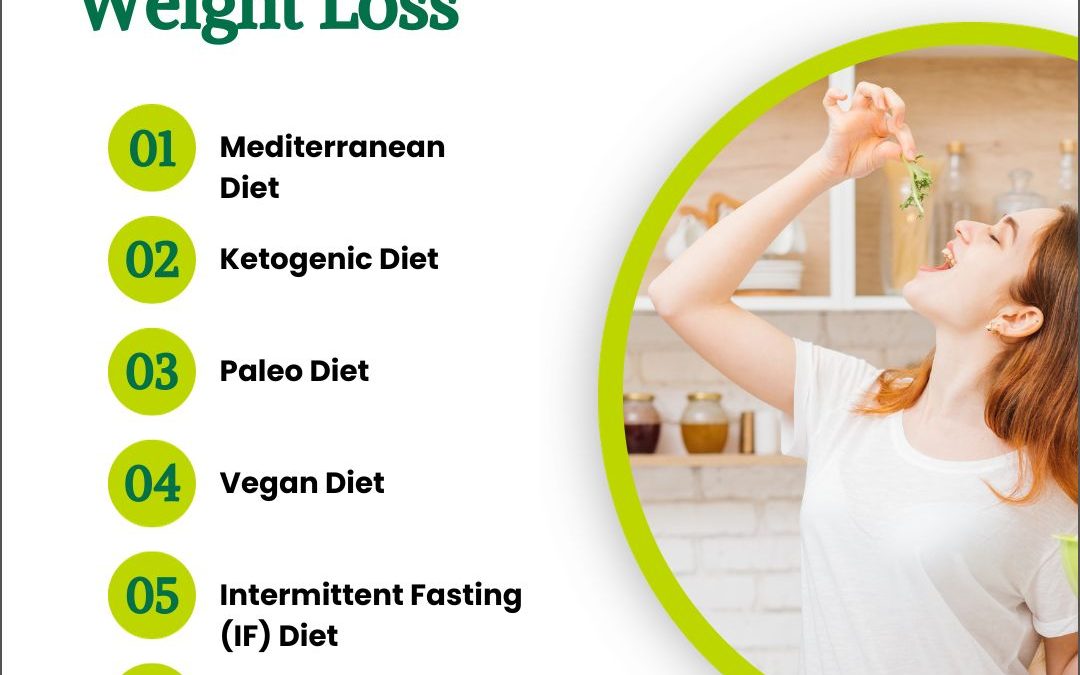
Mediterranean Diet
If you’re looking to lose weight and improve your overall health, the Mediterranean Diet could be your best friend. This diet is inspired by the eating habits of people living in countries bordering the Mediterranean Sea, like Greece, Italy, and Spain. It’s not just a diet; it’s a lifestyle that promotes heart health, longevity, and weight loss. Let’s dive into the core components and health benefits of this wonderful diet.
Core Components
The Mediterranean Diet is all about eating whole foods that are minimally processed. Here are the key components:
- Fruits and Vegetables: Fresh, colorful, and seasonal produce.
- Whole Grains: Think brown rice, oats, and whole wheat bread.
- Healthy Fats: Mainly from olive oil, nuts, and seeds.
- Lean Proteins: Fish, poultry, beans, and legumes.
- Dairy: Mostly cheese and yogurt, consumed in moderation.
- Red Wine: In moderation, usually with meals.
- Herbs and Spices: To flavor food instead of salt.
One thing’s for sure, you’ll never get bored with the variety of foods you can enjoy on this diet!
Health Benefits
Why is the Mediterranean Diet so highly praised? Let’s look at some of its amazing health benefits:
- Weight Loss: The diet is rich in fiber and healthy fats, which keep you feeling full and satisfied.
- Heart Health: It helps reduce the risk of heart disease with its focus on healthy fats and lean proteins.
- Improved Digestion: Lots of fiber from fruits, vegetables, and whole grains helps keep your digestive system running smoothly. </li
- Longevity: Studies show that this diet can help you live longer and stay healthier as you age.
- Mental Health: The nutrients in this diet can help boost your mood and keep your brain sharp.
So, not only will you shed those extra pounds, but you’ll also be doing your body a world of good.
In conclusion, the Mediterranean Diet is a fantastic choice for anyone looking to lose weight and improve their health. With its delicious and varied foods, it’s a diet you can stick to for life. So why not give it a try? Your body will thank you!
Plant-based Diets
When it comes to weight loss, plant-based diets have been gaining popularity. These diets focus on foods derived from plants, including vegetables, grains, nuts, seeds, legumes, and fruits. People choose plant-based diets for various reasons, such as health benefits, ethical concerns, or environmental impacts. But how effective are they for weight loss? Let’s dive into the details.
Vegan And Vegetarian Options
There are two main types of plant-based diets: vegan and vegetarian. While both exclude meat, they differ in other aspects.
- Vegan: This diet eliminates all animal products, including dairy, eggs, and even honey. It’s strict, but many find it rewarding.
- Vegetarian: Vegetarians avoid meat but may include dairy and eggs in their diet. There are different types of vegetarians, such as lacto-vegetarians (who eat dairy) and ovo-vegetarians (who eat eggs).
Both vegan and vegetarian diets can help with weight loss. They are rich in fiber, which makes you feel full longer, reducing the temptation to snack. Plus, plant-based foods are often lower in calories compared to animal products.
Nutritional Considerations
While plant-based diets can be effective for weight loss, it’s important to pay attention to nutritional needs.
| Nutrient | Importance | Plant-Based Sources |
|---|---|---|
| Protein | Builds and repairs tissues | Beans, lentils, tofu, tempeh, quinoa, nuts |
| Iron | Essential for blood production | Spinach, lentils, chickpeas, pumpkin seeds |
| Vitamin B12 | Important for nerve function | Fortified cereals, nutritional yeast, supplements |
| Calcium | Vital for bone health | Bok choy, fortified plant milks, almonds |
One thing to note is that some nutrients, like vitamin B12, are not naturally found in plant foods. Vegans should consider taking supplements or eating fortified foods. Eating a variety of plant foods can help ensure you get all the necessary nutrients.
So, are you ready to give a plant-based diet a try? It might just be the key to your weight loss journey.
Intermittent Fasting
When it comes to weight loss, many people are looking for the perfect diet. One popular approach is Intermittent Fasting (IF). This method doesn’t tell you what to eat, but rather when to eat. By cycling between periods of eating and fasting, it may help some people shed those extra pounds. But how does it work, and is it right for you? Let’s dive in!
Popular Methods
There are several ways to do Intermittent Fasting. Here are a few of the most popular methods:
- 16/8 Method: You fast for 16 hours each day and eat during an 8-hour window. For example, you might eat between 12 PM and 8 PM and fast from 8 PM to 12 PM the next day.
- 5:2 Diet: You eat normally for five days of the week and restrict your calorie intake to 500-600 calories on the other two days.
- Eat-Stop-Eat: This involves fasting for 24 hours once or twice a week. For instance, you might fast from dinner one day to dinner the next day.
- Alternate-Day Fasting: You fast every other day, but on non-fasting days, you can eat normally.
- Warrior Diet: You eat small amounts of raw fruits and vegetables during the day and one large meal at night, usually within a 4-hour window.
Impact On Weight Loss
So, how does Intermittent Fasting help with weight loss? Here are a few ways:
- Calorie Restriction: By limiting the time window in which you eat, you may naturally consume fewer calories. This is especially true if you skip a meal like breakfast.
- Improved Metabolism: Fasting can boost your metabolic rate, helping you burn more calories. Studies suggest that short-term fasting may increase your metabolism by 3.6-14%.
- Hormonal Changes: Fasting affects your hormones. It can lower insulin levels, increase growth hormone, and enhance the release of norepinephrine, all of which aid in fat loss.
However, it’s essential to note that Intermittent Fasting is not a magic bullet. For some, it might be challenging to stick to the fasting periods. It’s also important to eat healthy during your eating windows. No diet can outdo poor food choices, right?
Personally, I tried the 16/8 method, and it worked wonders for me. Skipping breakfast was tough at first, but soon my body adjusted. I felt more energized and even managed to lose a few pounds. But remember, everyone’s body is different. What works for one person might not work for another. Give it a try, and see how it feels for you!
Credit: medium.com
Paleo Diet
Finding the right diet can be like searching for a needle in a haystack. There are countless options out there, each promising quick and sustainable results. One popular choice is the Paleo Diet. But what is it, and can it really help you shed those extra pounds? Let’s dive in!
Dietary Guidelines
The Paleo Diet, also known as the “Caveman Diet,” is all about eating like our ancestors did. The idea is to consume foods that were available to humans during the Paleolithic era. Here’s a quick rundown of what you can eat:
- Meat: Grass-fed beef, chicken, turkey, pork
- Fish: Salmon, trout, mackerel
- Vegetables: Broccoli, carrots, spinach
- Fruits: Apples, berries, bananas
- Nuts and Seeds: Almonds, sunflower seeds, walnuts
- Healthy Fats: Olive oil, coconut oil, avocado
Sounds simple, right? Well, there are also foods to avoid:
- Dairy: Milk, cheese, yogurt
- Grains: Wheat, oats, rice
- Legumes: Beans, lentils, peanuts
- Processed Foods: Anything with artificial additives
- Sugars: Soda, candy, pastries
Pros And Cons
Like any diet, the Paleo Diet has its ups and downs. Let’s break it down:
| Pros | Cons |
|---|---|
|
|
Does it work? Many people swear by the Paleo Diet for weight loss. Personally, I found it a bit restrictive when dining out, but it made me feel more energetic and less bloated. Plus, who doesn’t like a good steak?
At the end of the day, the best diet is the one that you can stick with. So, is the Paleo Diet the right fit for you? Give it a try and see how you feel!
Choosing The Right Diet
When it comes to losing weight, finding the right diet can feel like searching for a needle in a haystack. There are so many options, from keto to vegan, that it can be overwhelming. But don’t worry! Picking the right diet is all about what works best for you. Let’s dive into how to make the best choice.
Personal Preferences
First and foremost, you have to consider what you like and dislike. If you hate kale, a diet full of green smoothies isn’t going to make you happy. And who can stick to a diet they don’t enjoy? Think about the foods you love and find a diet that includes them.
- Food Preferences: Do you like meat, or are you more of a veggie lover?
- Cooking Skills: Are you a master chef or do you prefer simple meals?
- Lifestyle: Do you have time to cook, or do you need quick, on-the-go options?
Remember, the best diet is one you can stick with. It’s okay to try different things and see what fits your life best.
Consulting With Professionals
Choosing a diet isn’t just about your taste buds. It’s also about your health. This is where professionals come in. A nutritionist or dietitian can help you find a diet that fits your health needs. They can check your medical history and suggest the best plan for you.
Here are some steps to take:
- Make an appointment with a nutritionist or dietitian.
- Discuss your weight loss goals and any health issues.
- Get a personalized diet plan.
It might seem like a hassle, but having expert advice can make a huge difference. Think of it like having a coach – they keep you on track and help you avoid mistakes.
So, whether you’re a fan of carbs or can’t live without your morning bacon, there’s a diet out there for you. Just remember to think about what you enjoy and get some professional advice. Happy dieting!
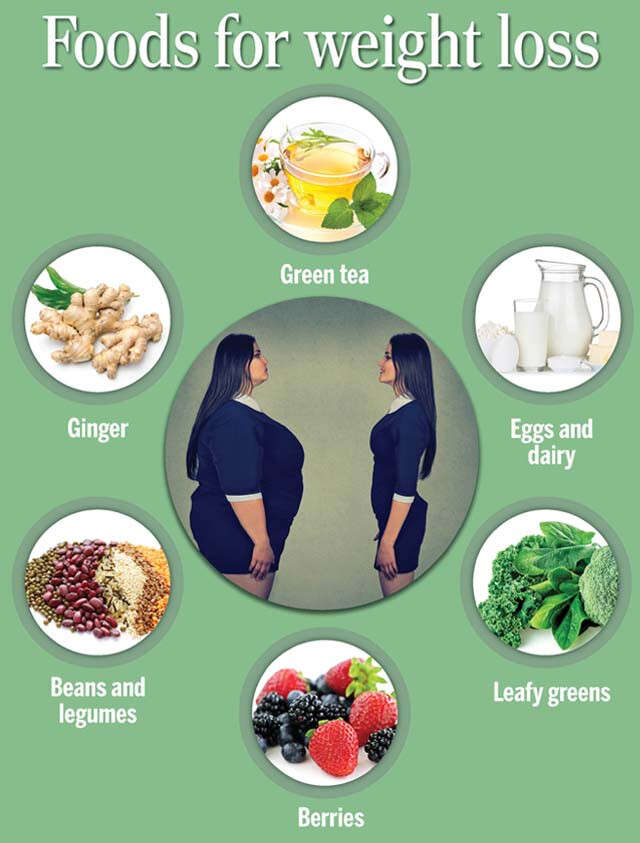
Credit: www.femina.in
Frequently Asked Questions
Which Diet Is The Most Effective In Weight Loss?
The most effective diet for weight loss varies by individual. Popular options include the Mediterranean, low-carb, and intermittent fasting diets. Consult a healthcare professional for personalized advice.
How Can I Lose 20 Pounds In A Month?
To lose 20 pounds in a month, follow a strict diet and exercise plan. Eat whole foods, avoid sugar, and drink plenty of water. Incorporate both cardio and strength training exercises. Prioritize sleep and manage stress levels. Consult a healthcare professional for personalized advice.
Which Diet Is Best To Lose Weight Quickly?
The best diet for quick weight loss includes a balanced intake of protein, healthy fats, and low-carb vegetables. Prioritize whole foods, reduce sugar, and avoid processed items. Consistency and portion control are key. Always consult a healthcare professional before starting any new diet plan.
Can I Lose 10 Lbs In A Week?
Losing 10 lbs in a week is possible but not recommended. It can be unhealthy and unsustainable. Focus on gradual weight loss instead.
Conclusion
Finding the best diet for weight loss is personal. Each person is unique. What works for one might not work for another. Focus on balanced nutrition. Include fruits, vegetables, lean proteins, and whole grains. Stay hydrated. Exercise regularly. Listen to your body.
Make sustainable choices. Consult a healthcare professional if needed. Remember, consistency is key. Small, healthy changes lead to long-term success. Start your journey today.