Are you ready to take control of your health and finally shed those extra pounds? A well-structured weight loss plan can be your key to lasting success, but with so many options out there, it’s easy to feel overwhelmed.
What if you could find a plan tailored to your lifestyle that not only helps you lose weight but also keeps you feeling energized and motivated every step of the way? You’ll discover proven strategies, popular programs, and expert tips that focus on sustainable habits—not quick fixes.
By the end, you’ll have a clear path forward to achieve your weight loss goals and maintain them for life. Let’s dive in and unlock the best approach for your journey.
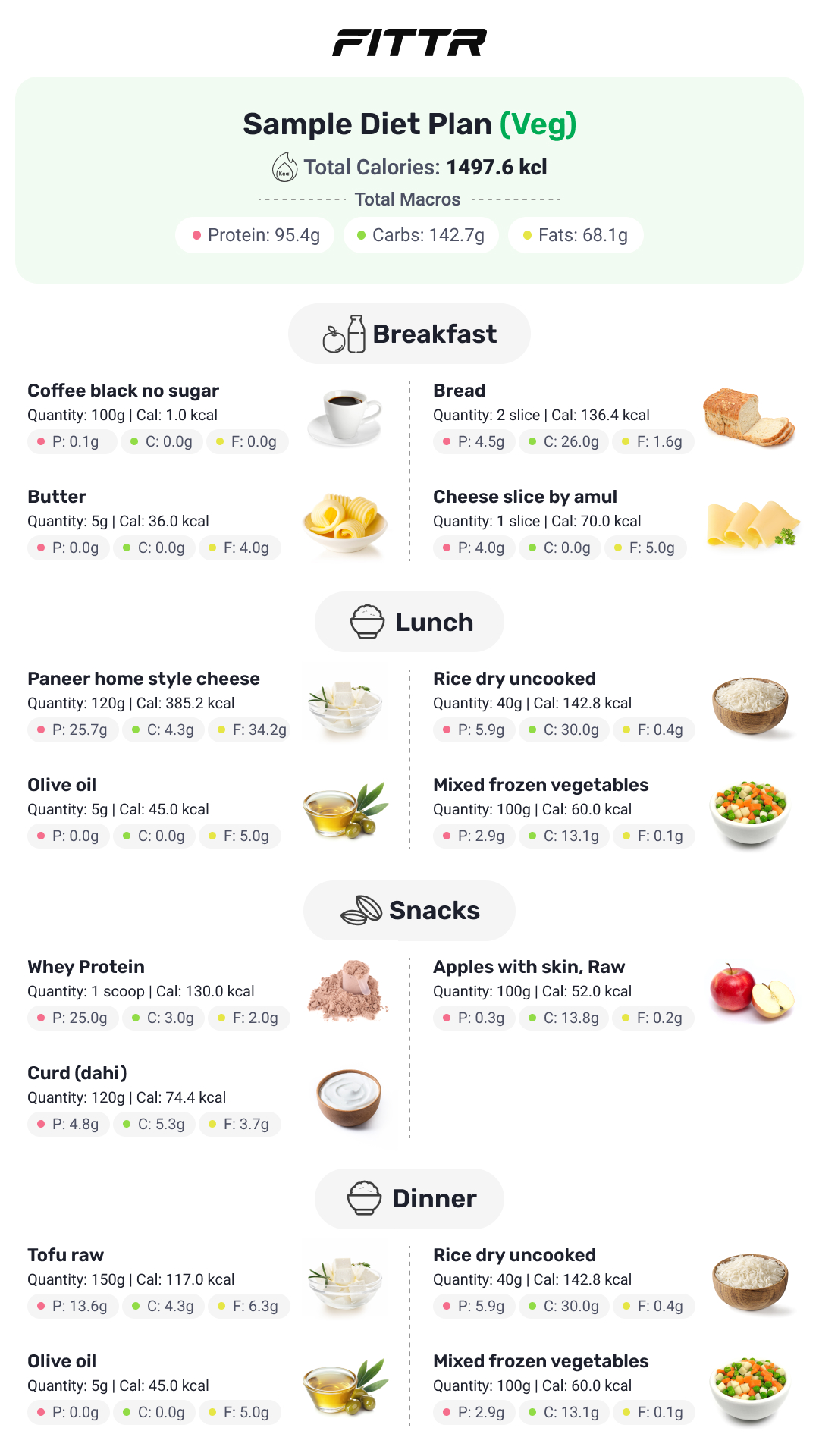
Credit: www.fittr.com
Popular Weight Loss Plans
Many people seek popular weight loss plans to guide their journey. These plans offer structured approaches, making it easier to lose weight. Each plan has unique methods, focusing on nutrition, behavior, or both. Choosing the right plan depends on personal preferences and lifestyle. Exploring popular options helps find a suitable, effective path.
Weightwatchers Approach
WeightWatchers uses a points system to track food intake. It encourages healthy choices without strict dieting. Support from community groups helps members stay motivated. Behavior change forms the core of this plan. Doctors often recommend it for sustainable weight loss.
Noom Lifestyle Changes
Noom combines psychology with a mobile app for guidance. It tracks food and exercise to build awareness. Coaching supports gradual lifestyle shifts rather than quick fixes. Users learn habits that promote long-term success. The focus is on mental and physical health together.
Mayo Clinic Diet Benefits
The Mayo Clinic Diet is based on scientific research. It promotes healthy eating habits and physical activity. The plan adapts to different health needs, such as diabetes. It avoids fad diets and extreme restrictions. Emphasis lies on balanced nutrition and steady progress.
Mediterranean Diet Focus
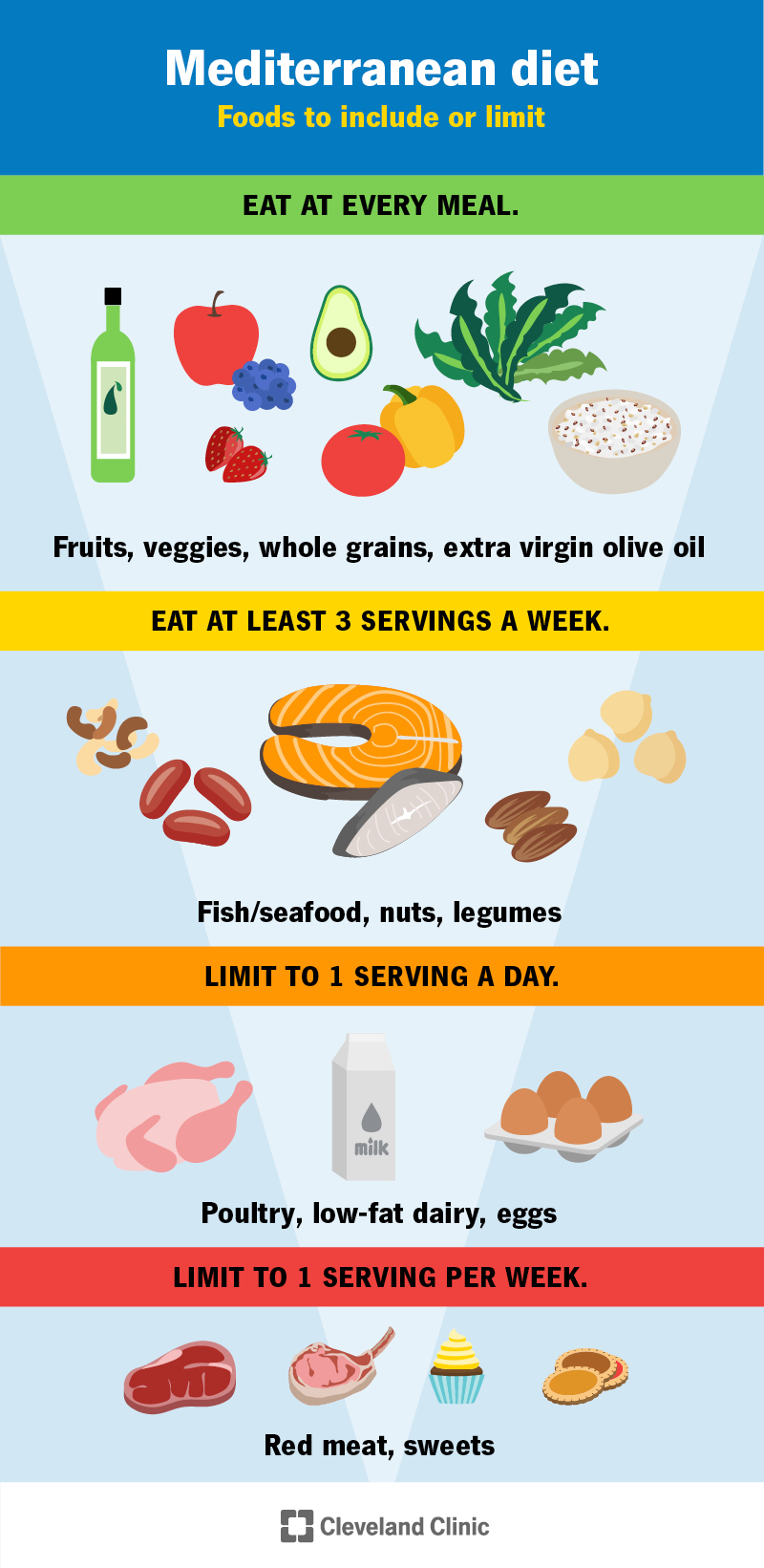
This diet highlights fruits, vegetables, whole grains, and fish. Olive oil is the main source of healthy fat. It supports heart health and overall wellness. The Mediterranean diet encourages enjoying meals with family. It is easy to follow and rich in flavor.
Dash Diet Essentials
The DASH diet aims to reduce blood pressure and support weight loss. It includes plenty of fruits, vegetables, and whole grains. Lean proteins and low-fat dairy are key components. The diet limits salt, sugar, and unhealthy fats. It promotes a balanced and heart-healthy lifestyle.
Emerging And Specialized Diets
Emerging and specialized diets offer new ways to approach weight loss. These methods focus on different eating patterns and unique nutritional strategies. They often target specific needs or preferences. Many people find these diets helpful for breaking weight loss plateaus or starting their journey.
These diets can be tailored to fit individual lifestyles. They encourage healthier habits and sometimes improve overall well-being. Understanding the basics of each helps in choosing the right plan for you.
Intermittent Fasting Methods
Intermittent fasting limits eating to certain times of the day or week. Popular methods include 16:8, where you fast for 16 hours and eat during 8 hours. Another is 5:2, with normal eating five days and very low calories two days.
This approach helps reduce calorie intake naturally. It may improve metabolism and support fat loss. People often report better focus and energy during fasting periods. It is important to stay hydrated and eat balanced meals when not fasting.
High-protein And Keto Diets
High-protein diets boost muscle growth and reduce hunger. Protein-rich foods include lean meats, eggs, dairy, and legumes. These diets support weight loss by increasing fullness and calorie burning.
The keto diet is very low in carbs and high in fats. It shifts the body to burn fat for energy instead of sugar. Keto can lead to fast weight loss but may be hard to maintain. It requires careful planning to avoid nutrient shortages.
Medical Weight Loss Programs
Medical programs use professional support and tailored plans. Doctors or dietitians create personalized diets based on health needs. These programs often include monitoring, counseling, and sometimes medication.
They suit people with health conditions or significant weight loss goals. Medical programs focus on safe, long-term success. Regular check-ups help adjust the plan as needed.
Core Principles For Success
Success in any weight loss plan depends on clear, core principles. These fundamentals guide your journey and keep progress steady. Understanding and applying these principles can make weight loss achievable and maintainable. Focus on creating habits that last rather than quick fixes.
Creating A Calorie Deficit
Weight loss happens when your body burns more calories than it takes in. This is called a calorie deficit. You can create this by eating less, moving more, or combining both. Tracking calories helps you stay on target. Small, consistent deficits lead to steady weight loss without feeling deprived.
Sustainability Over Fads
Choose a plan you can follow for life. Avoid diets that promise fast results but are hard to keep. Fad diets often cut out entire food groups or are very restrictive. This makes them tough to maintain and can cause weight to return. A sustainable plan fits your lifestyle and food preferences.
Whole Foods Importance
Focus on whole foods like fruits, vegetables, lean proteins, and whole grains. These foods provide vital nutrients and keep you full longer. Processed foods often contain hidden sugars and unhealthy fats. Whole foods support overall health and help control hunger naturally.
Behavioral And Psychological Support
Weight loss is not just physical; it involves mindset and habits. Programs that include coaching or community support improve success rates. Learning to manage stress, emotional eating, and triggers helps you stay on track. Building new, healthy habits is key for lasting change.
Credit: my.clevelandclinic.org
Customizing Your Plan
Customizing your weight loss plan is essential for success. Each person has unique needs, preferences, and goals. Tailoring your approach increases motivation and helps you stay on track. A plan that fits your lifestyle feels natural and easier to follow.
Start by understanding your body and habits. Adjust nutrition and exercise to match your daily routine. Track progress in ways that work best for you. Small changes can lead to lasting results.
Personalized Nutrition Tips
Focus on foods you enjoy and that fuel your body well. Include a variety of fruits, vegetables, lean proteins, and whole grains. Avoid highly processed foods and sugary drinks. Portion control matters more than strict dieting. Eating balanced meals keeps energy levels steady. Drink plenty of water throughout the day. Adjust calorie intake based on your activity and weight goals. Experiment with meal timing to find what suits your hunger and schedule.
Incorporating Physical Activity
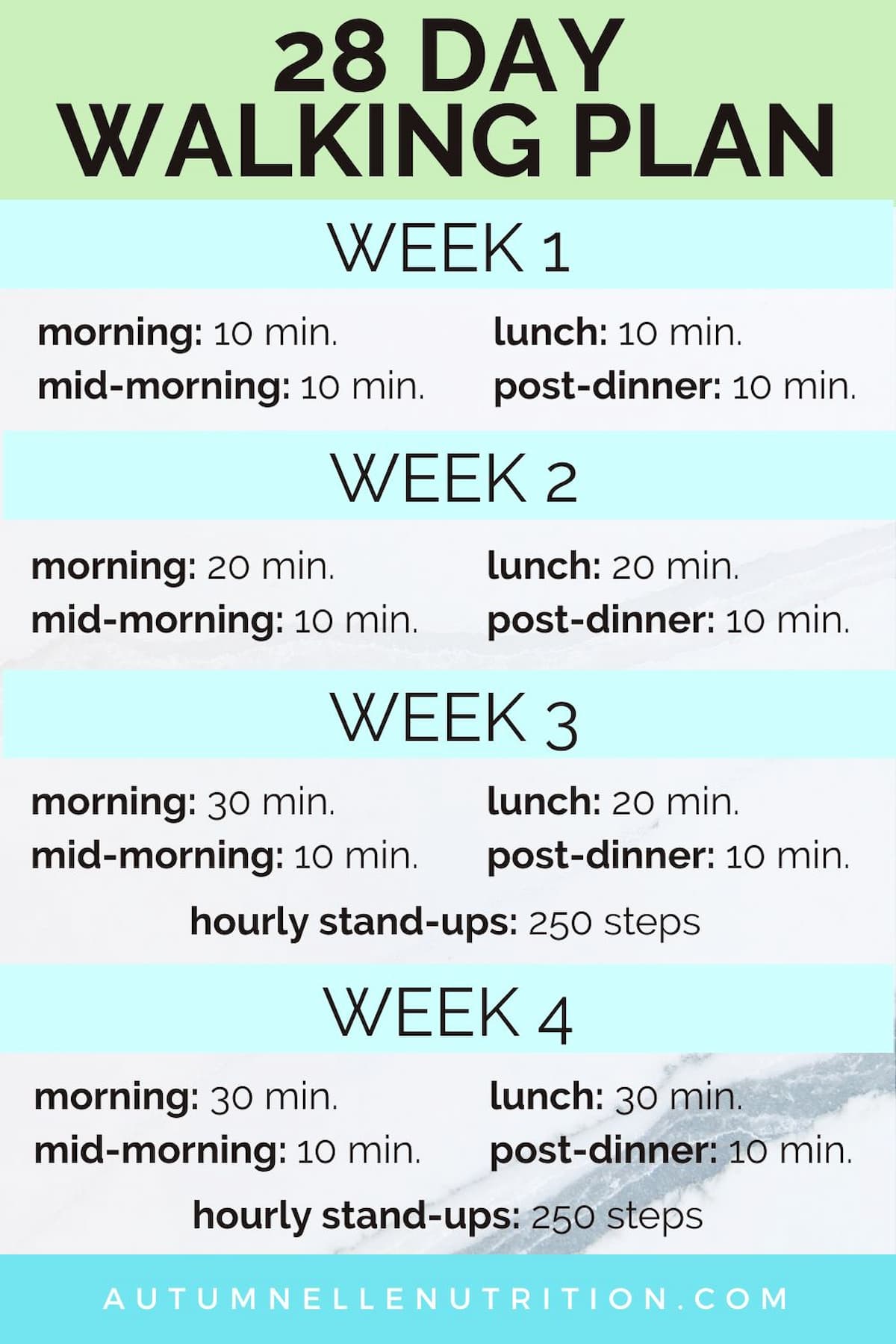
Choose activities you find fun and can do regularly. Walking, swimming, cycling, or dancing all count. Aim for at least 150 minutes of moderate exercise per week. Mix cardio with strength training to build muscle and burn fat. Start slow and increase intensity over time. Consistency beats intensity for long-term success. Find ways to stay active during daily tasks. Use tools like step counters to stay motivated.
Tracking Progress Effectively
Keep a simple journal or use apps to log food and exercise. Note how you feel physically and emotionally. Regularly weigh yourself or take body measurements. Use photos to visually track changes over weeks. Celebrate small victories to stay encouraged. Adjust your plan if progress slows or plateaus. Focus on health improvements, not just the scale. Tracking builds awareness and helps maintain commitment.
Safety And Professional Guidance
Safety is the foundation of any effective weight loss plan. Following professional guidance reduces risks and supports lasting success. Careful planning helps avoid health problems and promotes well-being during your journey.
Expert advice ensures your plan fits your unique needs. Monitoring your health keeps you on track and alerts you to changes. Steering clear of common mistakes prevents setbacks and frustration.
Consulting Health Experts
Start your weight loss plan by talking to doctors or dietitians. They assess your health and recommend safe methods. Experts help create a plan tailored to your body and goals. Their knowledge prevents harm and improves results.
Monitoring Health Conditions
Keep track of any medical issues throughout your weight loss journey. Regular check-ups catch problems early. Monitoring blood pressure, blood sugar, and other markers is important. Adjust your plan based on health updates to stay safe.
Avoiding Common Pitfalls
Many make mistakes like skipping meals or choosing fad diets. These can cause nutrient deficiencies and slow metabolism. Avoid extreme calorie cuts or unproven supplements. Focus on steady, balanced changes for long-term success.
Credit: autumnellenutrition.com
Frequently Asked Questions
What Is The Most Effective Weight Loss Plan?
The most effective weight loss plan creates a sustainable calorie deficit with balanced nutrition, regular exercise, and behavior change. Popular options include WeightWatchers, Noom, the Mayo Clinic Diet, Mediterranean, and DASH diets. Choose a plan you can maintain long-term and consult a healthcare professional for guidance.
What Is The 30/30/30 Rule For Weight Loss?
The 30/30/30 rule for weight loss means eating 30% protein, 30% fat, and 30% carbohydrates daily. This balance supports metabolism and fat burning.
Will I Lose Weight Eating 1200 Calories A Day Without Exercise?
Eating 1200 calories daily creates a calorie deficit, usually causing weight loss without exercise. Results vary by metabolism and body size.
How To Lose The Last 20 Pounds?
To lose the last 20 pounds, maintain a sustainable calorie deficit with balanced nutrition and regular exercise. Focus on whole foods, track habits, and choose a supportive program like WeightWatchers, Noom, or the Mayo Clinic Diet. Consult a healthcare professional for personalized guidance.
Conclusion
A successful weight loss plan focuses on steady, healthy changes. Choose balanced meals with plenty of whole foods. Stay active and find exercises you enjoy. Track your progress and adjust as needed. Support from friends or programs helps maintain motivation.
Avoid quick fixes; consistency brings lasting results. Always seek advice from health professionals before starting. Your journey is unique—be patient and stay positive. Small steps lead to big improvements over time. Keep your goals clear and celebrate every success.