
Losing weight can be a challenge, but the right menu makes it easier. The best weight loss menu combines tasty and healthy options to help you shed pounds effectively.
Finding the perfect weight loss menu can be tough. Many diets promise quick results but leave you feeling hungry and unsatisfied. The best weight loss menu includes balanced meals that keep you full and energized. It combines lean proteins, whole grains, and plenty of vegetables.
These foods help you lose weight while providing essential nutrients. By choosing the right foods, you can enjoy your meals and see results. Read on to discover how the best weight loss menu can make your journey to a healthier you both enjoyable and successful.
Introduction To Weight Loss Menus
Weight loss menus play a crucial role in helping individuals shed pounds. They provide a structured plan to follow daily. This makes it easier to control food intake and make healthier choices.
Creating the best weight loss menu involves balancing nutrients and portion sizes. This ensures you stay full and satisfied while eating fewer calories. Let’s explore why diet is important in weight loss and how menus can aid your journey.
Importance Of Diet In Weight Loss
Diet is the cornerstone of any weight loss plan. What you eat greatly impacts your ability to lose weight. A balanced diet provides the necessary energy and nutrients. This helps your body function properly while burning fat.
Eating healthy foods reduces the risk of chronic diseases. It also helps manage hunger and cravings. This leads to more effective weight loss. Including a variety of foods ensures you get all the vitamins and minerals you need.
How Menus Aid Weight Loss
Weight loss menus simplify the process of choosing meals. They remove the guesswork from meal planning. This helps you stick to your diet more easily.
Menus also help control portion sizes. This prevents overeating and keeps your calorie intake in check. Following a set menu can help form healthier eating habits over time.
Having a menu ensures you include all food groups. This provides a balanced intake of proteins, carbs, and fats. It keeps you energized and satisfied throughout the day.
Setting Weight Loss Goals
Embarking on a weight loss journey can be both exciting and daunting. To keep your spirits high and your motivation intact, setting clear and achievable goals is crucial. Goals act as your roadmap, guiding you through the ups and downs, and helping you stay focused. Let’s dive into how you can set realistic weight loss goals and track your progress effectively.
Realistic Goal Setting
When it comes to weight loss, it’s easy to dream big. However, setting goals that are too ambitious can lead to frustration and disappointment. Let’s keep it real. Start by setting small, achievable goals. For example, aiming to lose 1-2 pounds per week is both realistic and healthy. This way, you won’t feel overwhelmed, and you’ll be more likely to stick with your plan.
- Specific: Clearly define what you want to achieve. Instead of saying “I want to lose weight,” say “I want to lose 10 pounds.”
- Measurable: Track your progress. Use a scale, a measuring tape, or even your favorite pair of jeans.
- Achievable: Set goals that you can realistically reach. Remember, slow and steady wins the race.
- Relevant: Ensure your goals are important to you and fit your lifestyle.
- Time-bound: Set a timeframe. For example, “I want to lose 10 pounds in 3 months.”
By setting SMART goals, you set yourself up for success. Remember, it’s not a sprint; it’s a marathon.
Tracking Progress
Tracking your progress is like having a compass on your journey. It shows you where you started, how far you’ve come, and how much further you need to go. Here are some simple ways to keep track:
- Journaling: Keep a food and exercise journal. Write down everything you eat and drink, as well as your workouts. It helps you stay accountable.
- Weigh-ins: Weigh yourself regularly, but not too often. Once a week is enough. Remember, the scale is just one measure of progress.
- Measurements: Track your body measurements, like waist, hips, and thighs. Sometimes, you might lose inches even if the scale doesn’t budge.
- Photos: Take progress photos. They provide a visual record of your journey and can be very motivating.
Tracking isn’t just about numbers. It’s about celebrating your small victories and learning from your setbacks. Did you skip a workout? No problem. Get back on track the next day. Ate a bit too much pizza? It happens. Balance it with healthier choices.
Remember, the journey is as important as the destination. So, set your goals, track your progress, and don’t forget to enjoy the ride!
Key Components Of A Weight Loss Menu
Creating a successful weight loss menu requires careful planning. You need to ensure your body gets all the nutrients it needs. This helps you stay healthy while losing weight. Let’s explore the key components of a weight loss menu.
Balanced Macronutrients
Protein, carbohydrates, and fats are the main macronutrients. Your body needs them in the right balance. Protein helps build and repair muscles. Carbohydrates give you energy. Fats support cell function and hormone production. Each meal should include a balance of these macronutrients.
Choose lean proteins like chicken, fish, and beans. Opt for whole grains and vegetables for carbs. Healthy fats come from sources like avocados, nuts, and olive oil. Balancing these nutrients can help you feel full and satisfied.
Essential Vitamins And Minerals
Vitamins and minerals are vital for your body’s functions. They support your immune system, bones, and energy levels. A weight loss menu should include a variety of fruits and vegetables. These foods are rich in essential vitamins and minerals.
Include leafy greens like spinach and kale. They are high in vitamins A, C, and K. Citrus fruits provide vitamin C, which boosts your immune system. Nuts and seeds offer magnesium and zinc. These minerals support metabolism and overall health.
Don’t forget about calcium. It is important for bone health. You can get it from dairy products, fortified plant milks, and leafy greens. A varied diet ensures you get all the essential nutrients your body needs.
:max_bytes(150000):strip_icc()/7-day-weight-loss-meal-plan-1500-pinterest-2000-cfcd970db5e14252a4bc78e143992335.jpg)
Credit: www.eatingwell.com
Breakfast Options
Starting your day with a wholesome breakfast sets the tone for the rest of your day, especially when you are on a weight loss journey. A balanced breakfast can boost your metabolism, keep cravings at bay, and provide the energy you need to tackle your morning tasks. Let’s dive into some of the best breakfast options that are both nutritious and delicious, helping you stay on track with your weight loss goals.
High-protein Breakfast Ideas
Protein is a powerhouse nutrient that keeps you feeling full and satisfied. Here are some high-protein breakfast ideas to kickstart your day:
- Greek Yogurt with Berries: A bowl of Greek yogurt topped with fresh berries and a sprinkle of chia seeds is a perfect morning treat. It’s rich in protein and antioxidants.
- Scrambled Eggs with Spinach: Whip up some scrambled eggs and toss in a handful of fresh spinach. Add a pinch of salt and pepper for taste. This combo is simple yet filling.
- Protein Smoothie: Blend a scoop of protein powder with almond milk, a banana, and a handful of spinach. This smoothie is quick to prepare and can be taken on the go.
Quick And Healthy Choices
In the hustle and bustle of daily life, finding time to prepare a nutritious breakfast can be challenging. But don’t worry, these quick and healthy options have got you covered:
| Option | Description |
|---|---|
| Overnight Oats | Mix rolled oats with almond milk, chia seeds, and a dash of honey. Let it sit overnight in the fridge. In the morning, top with fruits and nuts for a tasty meal. |
| Avocado Toast | Spread mashed avocado on whole-grain toast. Sprinkle with a bit of salt, pepper, and chili flakes. It’s a nutritious and filling breakfast that’s ready in minutes. |
| Fruit and Nut Butter | Slice an apple or banana and pair it with a spoonful of almond or peanut butter. This combo is rich in healthy fats and fiber, keeping you full until lunch. |
Remember, breakfast is an important meal of the day. By choosing the right foods, you can start your day on a healthy note and stay energized. So, what’s your favorite breakfast option? Share with us in the comments below!
Lunch Choices
Choosing the right lunch can make a huge difference in your weight loss journey. A balanced, nutritious lunch keeps your energy levels stable. It also helps you avoid afternoon cravings. Let’s explore some of the best lunch choices for weight loss.
Nutrient-dense Salads
Salads can be both delicious and filling. Start with a base of leafy greens. Spinach, kale, or mixed greens work well. Add lean proteins like grilled chicken or tofu. Include a variety of colorful vegetables. Bell peppers, tomatoes, and cucumbers add crunch and flavor. Don’t forget healthy fats. Avocado slices or a handful of nuts can do the trick. Use a light dressing like olive oil and lemon juice. Avoid creamy dressings to keep calories low. Salads offer endless combinations to keep you satisfied.
Low-calorie Meals
Low-calorie meals are essential for weight loss. Think about portion control and ingredients. A small serving of brown rice with steamed veggies can be filling. Pair it with a lean protein like grilled fish or chicken breast. Soups can be a great option too. Choose broth-based soups with lots of veggies. Avoid creamy soups that are high in calories. Another idea is a whole-grain wrap. Fill it with lean turkey, lots of veggies, and a small amount of hummus. These meals provide nutrients without adding extra calories.

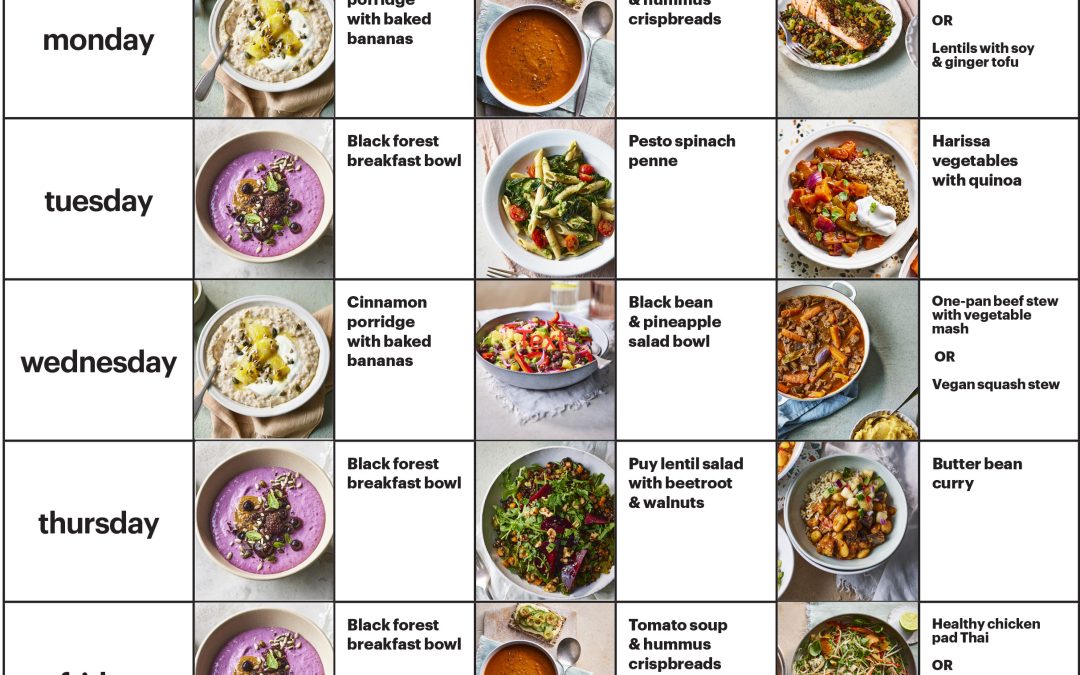
Credit: www.bbcgoodfood.com
Dinner Selections
Finding the right dinner options is essential for effective weight loss. These selections should be both light and satisfying. They should also cater to different dietary preferences. Whether you prefer vegetarian meals or need vegan options, there’s something for everyone.
Light And Satisfying Dinners
Light dinners help control calorie intake. Grilled chicken with steamed vegetables is a great choice. It’s packed with protein and low in fat. Another option is a quinoa salad with mixed greens. Add a lemon vinaigrette for extra flavor.
Baked salmon with asparagus is another healthy choice. Salmon is rich in omega-3 fatty acids. Asparagus is high in fiber. Together, they make a balanced meal. These dinners are easy to prepare and delicious.
Vegetarian And Vegan Options
Vegetarian and vegan dinners can be both tasty and filling. A chickpea and vegetable stir-fry is perfect. Use bell peppers, broccoli, and snap peas. Toss them in a light soy sauce for added taste.
Another option is a lentil soup. Lentils are high in protein and fiber. Add carrots, celery, and tomatoes. Season it with cumin and garlic. This soup is hearty and nutritious.
For a vegan option, try a tofu and vegetable curry. Use coconut milk for a creamy texture. Add spices like turmeric and coriander. Serve it with brown rice for a complete meal. These meals are simple and support weight loss goals.
Snack Suggestions
Finding the right snacks is key to any weight loss menu. Healthy snacks can keep you full and prevent overeating. It’s essential to choose snacks that are low in calories but high in nutrients. Below are some snack suggestions to help you stay on track.
Healthy Snack Ideas
Healthy snacks are crucial for maintaining your energy levels. They help you avoid hunger pangs. Here are some great options:
- Fresh Fruits: Apples, berries, and oranges are perfect. They are sweet and satisfying.
- Nuts and Seeds: Almonds, walnuts, and pumpkin seeds are excellent choices. They are rich in healthy fats.
- Greek Yogurt: It is packed with protein. It can keep you full longer.
- Vegetable Sticks: Carrots, celery, and bell peppers are low in calories. They are crunchy and delicious.
- Hummus: Pair it with veggie sticks. It is both tasty and nutritious.
Avoiding High-calorie Snacks
High-calorie snacks can derail your weight loss efforts. They often contain empty calories. Avoid these snacks to stay on track:
- Chips and Fries: They are high in fat and salt. They offer little nutritional value.
- Candy and Sweets: These snacks are loaded with sugar. They can cause weight gain.
- Pastries: Donuts, cakes, and muffins are high in sugar and fat. They are not filling.
- Soda and Sugary Drinks: These drinks add unnecessary calories. They do not satisfy hunger.
- Processed Snack Foods: Crackers and cookies often contain unhealthy fats. They are not good for weight loss.
Hydration Tips
Staying hydrated plays a key role in weight loss. Proper hydration supports metabolism, curbs hunger, and energizes the body. Discovering the best hydration tips can transform your weight loss journey. Let’s dive into the importance of water and explore low-calorie beverages that can aid in weight loss.
Importance Of Water
Water is essential for all bodily functions. It helps transport nutrients and oxygen throughout the body. Drinking water before meals can reduce appetite and calorie intake. Studies show that drinking water boosts metabolism temporarily. This can lead to burning more calories. Keeping a water bottle handy encourages regular drinking. Aim for at least 8 glasses of water daily for optimal health.
Low-calorie Beverages
Low-calorie beverages can be a great addition to your diet. They provide hydration without adding extra calories. Green tea is a popular choice. It contains antioxidants and may help with fat burning. Herbal teas are also excellent. They come in many flavors and can be enjoyed hot or cold. Infused water is another option. Add slices of fruit or herbs to your water for a refreshing taste. Avoid sugary drinks. They add unnecessary calories and can hinder weight loss.
Meal Planning Strategies
Planning your meals is a game-changer when it comes to losing weight. It’s like having a roadmap for your journey. You know exactly where you’re going and how to get there. Let’s dive into two key strategies: Weekly Meal Prep and Creating a Shopping List. These will help you stay on track and make your weight loss goals more achievable.
Weekly Meal Prep
Have you ever found yourself staring at the fridge, wondering what to eat? That’s where Weekly Meal Prep comes in. By prepping your meals in advance, you save time, reduce stress, and make healthier choices. Here’s how to get started:
- Plan Your Meals: Decide what you will eat for breakfast, lunch, and dinner each day of the week. Include snacks to avoid those mid-afternoon cravings.
- Cook in Batches: Prepare large quantities of food that you can divide into portions for the week. Think of dishes like grilled chicken, roasted veggies, or quinoa salad.
- Use Containers: Store your prepped meals in containers. This keeps them fresh and ready to grab when you need them.
For example, you might cook a big pot of soup on Sunday. Then, you’ll have a healthy lunch ready for several days. Easy, right?
Creating A Shopping List
Now that you have your meals planned, it’s time to shop! Creating a shopping list is essential. It keeps you focused and helps you avoid buying unhealthy items. Here’s how to make a practical list:
- Check Your Pantry: Before heading to the store, see what you already have. No need to buy what you don’t need.
- Organize by Section: Write your list by categories, such as produce, dairy, and grains. This makes shopping quicker and more efficient.
- Stick to the List: Avoid impulse purchases. If it’s not on your list, you don’t need it.
Imagine this: You walk into the store with a clear plan. You grab your items, avoid the junk food aisle, and head to checkout. You’ve just saved time and made healthier choices!
Remember, meal planning doesn’t have to be complicated. Start simple, and soon, it will become a habit. Happy planning!
Staying Motivated
Staying motivated during weight loss can be challenging. You may feel excited at the start, but keeping that energy up is key. Let’s dive into practical tips to help you stay on track.
Overcoming Plateaus
Weight loss plateaus are common. Your body adjusts to new routines, causing progress to slow. Change your exercise routine regularly. Try new activities or increase intensity. This keeps your body guessing and boosts your metabolism.
Also, review your diet. Hidden calories can sneak in. Track your meals and snacks. This helps identify any extras. Small adjustments can make a big difference.
Finding Support Systems
Support systems are crucial for weight loss. Friends and family can offer encouragement. Share your goals with them. Their support keeps you accountable.
Join a weight loss group. Online or in-person, these groups offer advice and motivation. Sharing experiences with others facing similar challenges can be very motivating.
Consider a professional coach. They provide expert guidance and keep you on track. Regular check-ins with a coach can make a huge difference in staying motivated.
Conclusion And Next Steps
After following a well-planned weight loss menu, the journey doesn’t end there. It’s crucial to understand how to maintain the achieved weight and adopt long-term healthy eating habits. Let’s explore the next steps to ensure lasting success.
Maintaining Weight Loss
Consistency is the key to keeping the weight off. Incorporate regular physical activity into your routine. Choose activities you enjoy to stay motivated. Regular exercise helps burn calories and boosts your metabolism.
Monitor your eating habits. Keep track of your food intake using a journal or app. This helps identify patterns and areas for improvement. Drink plenty of water to stay hydrated and feel full longer. Water aids digestion and can prevent overeating.
Long-term Healthy Eating
Focus on a balanced diet. Include a variety of fruits, vegetables, lean proteins, and whole grains. These foods provide essential nutrients and keep you satisfied. Avoid highly processed foods high in sugar and unhealthy fats.
Plan your meals and snacks ahead of time. This helps you make healthier choices and avoid last-minute temptations. Prepare meals at home as often as possible. Home-cooked meals allow you to control ingredients and portion sizes.
Listen to your body. Pay attention to hunger and fullness cues. Eat slowly and savor each bite. This mindful eating practice can prevent overeating and promote satisfaction with smaller portions.

Credit: www.pinterest.com
Frequently Asked Questions
What’s The Best Meal To Eat To Lose Weight?
A balanced meal with lean proteins, vegetables, and whole grains is best for weight loss. Consider grilled chicken, quinoa, and broccoli. Avoid processed foods and sugary drinks. Drink plenty of water.
Which Meal Plan Is Best For Weight Loss?
A balanced meal plan with lean proteins, whole grains, fruits, and vegetables is best for weight loss. Avoid processed foods and sugary drinks.
What Is The Most Successful Weight Loss Diet Plan?
The most successful weight loss diet plan varies per individual. Popular options include the Mediterranean diet, Keto, and intermittent fasting. Always consult a healthcare professional before starting any diet.
How Can I Drop 20 Pounds Fast?
To drop 20 pounds fast, focus on a healthy diet, regular exercise, and staying hydrated. Prioritize whole foods, limit sugar and processed foods. Incorporate both cardio and strength training workouts. Ensure adequate sleep and manage stress. Consult a healthcare professional before starting any weight loss plan.
Conclusion
Achieving your weight loss goals starts with a balanced menu. Choose nutritious foods. Focus on portion control. Drink plenty of water. Stay active every day. Consistency is key. Small changes add up. Listen to your body. Enjoy your meals. Stay patient and positive.
Healthy eating becomes a habit. Your journey matters. Celebrate every step. You’re on your way to a healthier you. Keep going.