
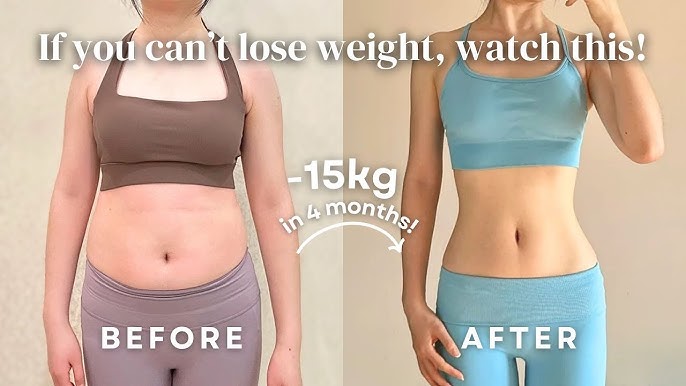
Losing weight can be challenging. Many people struggle to see real results.
Are you tired of fad diets and quick fixes that don’t work? You’re not alone. Shedding those extra pounds requires a mix of good habits, dedication, and realistic strategies. It’s not just about eating less or exercising more. It’s about making sustainable changes to your lifestyle.
In this guide, we’ll explore practical steps to help you achieve your weight loss goals. From understanding your body’s needs to making smart food choices, we’ll cover all the essentials. Get ready to embark on a journey towards a healthier, happier you. Let’s dive in and discover how you can actually lose weight, and keep it off for good!
:max_bytes(150000):strip_icc()/losing-weight-with-ibs-1945012-01-987b235a57b240e4903560c79416288b.png)
Credit: www.verywellhealth.com
Setting Realistic Goals
Setting realistic goals is crucial for successful weight loss. Many people aim too high and get discouraged. The key is to set achievable targets that keep you motivated. This way, you avoid burnout and frustration. Let’s explore how to set realistic goals.
Importance Of Small Steps
Small steps lead to big changes over time. Start with small, manageable goals. For example, aim to lose one pound a week. This is achievable and less stressful. Gradually, these small successes build up to significant weight loss.
Small steps also make the process less daunting. When you achieve small goals, it boosts your confidence. You feel more motivated to continue. Celebrate these small victories to stay encouraged.
Tracking Progress
Tracking your progress is essential for staying on track. Keep a journal of your daily activities and food intake. This helps you see what works and what needs adjustment. Use apps or a simple notebook to record your progress.
Regularly review your journal to identify patterns. Are there times you tend to overeat? Do you skip workouts on certain days? Recognizing these patterns helps you make better choices. Tracking also shows your progress, keeping you motivated.
Balanced Diet
Adopting a balanced diet is crucial for effective weight loss. It ensures you get the right nutrients while managing your calorie intake. Eating a variety of foods will help keep your body healthy and energized. This approach can support your weight loss goals and overall wellness.
Nutrient-rich Foods
Choose foods packed with vitamins and minerals. Vegetables, fruits, whole grains, lean proteins, and healthy fats are excellent choices. These foods provide essential nutrients without excess calories. They help you feel full and satisfied. Avoid processed foods and sugary snacks. They offer little nutritional value and can lead to weight gain.
Portion Control
Managing portion sizes is key to a balanced diet. Eating too much, even healthy foods, can hinder weight loss. Use smaller plates to help control portions. Measure your food to avoid overeating. Pay attention to hunger cues and stop when you are full. Avoid eating directly from packages. This can lead to consuming more than you realize. Mindful eating helps you enjoy your food and listen to your body’s needs.
Regular Exercise
When it comes to losing weight, regular exercise is a game-changer. It’s not just about shedding those extra pounds; it’s about feeling good, having more energy, and improving your overall health. But where do you start? Let’s break it down into simple steps.
Cardio Workouts
Cardio workouts are a great way to burn calories. They include activities like running, cycling, and swimming. These exercises get your heart pumping and help you lose weight faster. Here’s how you can include cardio in your routine:
- Start Slow: Begin with 10-15 minutes of brisk walking. Gradually increase the time as you get comfortable.
- Mix It Up: Try different activities. One day, go for a jog; the next, take a bike ride. This keeps things interesting and works different muscles.
- Listen to Your Body: Don’t push yourself too hard. If you feel pain, slow down. It’s important to exercise safely.
Remember, consistency is key. Even short, daily cardio sessions can make a big difference over time.
Strength Training
Strength training is equally important for weight loss. It helps build muscle, which in turn burns more calories, even when you’re resting. Here’s how to get started:
- Focus on Form: Proper form is crucial to avoid injuries. You might want to watch some tutorials or even ask a trainer for help.
- Start with Body Weight: Before lifting weights, try exercises like push-ups, squats, and lunges. They are effective and require no equipment.
- Gradually Add Weights: Once you’re comfortable with bodyweight exercises, slowly add dumbbells or resistance bands to increase the challenge.
Incorporate strength training into your routine at least two times a week. This helps you build muscle and speeds up your metabolism.
So, there you have it! Regular exercise, including both cardio and strength training, is essential for losing weight. It might seem tough at first, but with a bit of effort and consistency, you’ll start seeing results. And remember, it’s not just about looking good; it’s about feeling great and staying healthy.
Staying Hydrated
Staying hydrated is crucial for weight loss. Water plays a vital role in our body’s functions. It helps in digestion, nutrient absorption, and even burning fat. But, many people forget to drink enough water. Let’s explore the benefits of staying hydrated and how much water you should drink daily.
Benefits Of Water
Water boosts your metabolism. A well-hydrated body burns calories more efficiently. Drinking water before meals can also reduce appetite. This means you may eat less and consume fewer calories.
Water helps flush out toxins. It aids the kidneys in removing waste from the blood. Proper hydration can also prevent water retention and bloating.
Staying hydrated improves exercise performance. Muscles need water to function properly. Dehydration can lead to fatigue and reduced endurance. Drinking enough water keeps you energized and active.
Recommended Intake
How much water should you drink? A general guideline is to drink eight 8-ounce glasses a day. This is about 2 liters or half a gallon. But, individual needs may vary.
Consider factors like activity level, climate, and overall health. If you exercise a lot, you may need more water. Hot weather can also increase your hydration needs.
Listen to your body. Thirst is a clear signal that you need to drink more water. Pay attention to the color of your urine. Pale yellow is a good sign of proper hydration. Dark yellow or amber indicates you need more water.
Sleep And Weight Loss
When it comes to losing weight, most people think of diet and exercise first. But did you know that sleep plays a crucial role too? Yes, that’s right! Not getting enough sleep can actually sabotage your weight loss efforts. In this section, we will explore the connection between sleep and weight loss. We’ll dive into how your sleep affects your metabolism and give you tips to improve your sleep quality.
Impact On Metabolism
Ever wondered why you feel hungrier after a poor night’s sleep? It’s not just in your head. Lack of sleep can wreak havoc on your metabolism. When you don’t get enough sleep, your body produces more of the hormone ghrelin, which makes you feel hungry. At the same time, it reduces the hormone leptin, which tells you when you’re full. It’s like your body is playing tricks on you!
Let’s break it down with a simple table:
| Hormone | Function | Effect of Lack of Sleep |
|---|---|---|
| Ghrelin | Increases hunger | Levels go up |
| Leptin | Signals fullness | Levels go down |
These hormonal changes can lead to overeating and weight gain. Plus, when you’re tired, you’re more likely to crave high-carb and sugary foods for a quick energy boost. It’s a double whammy!
Improving Sleep Quality
Now that we know how important sleep is for weight loss, let’s talk about how to improve it. Here are some simple tips to get better sleep and, in turn, help you lose weight:
- Stick to a schedule: Go to bed and wake up at the same time every day, even on weekends. This helps regulate your body’s internal clock.
- Create a bedtime routine: Do something relaxing before bed, like reading or taking a warm bath. Avoid screens as the blue light can interfere with your sleep.
- Make your bedroom sleep-friendly: Keep your room cool, dark, and quiet. Invest in a comfortable mattress and pillows.
- Watch what you eat and drink: Avoid caffeine and heavy meals close to bedtime. If you’re hungry, a light snack like a banana can help.
- Exercise regularly: Physical activity can help you fall asleep faster and enjoy deeper sleep. Just don’t exercise too close to bedtime.
By following these tips, you can improve your sleep quality, which can help you manage your weight more effectively. Remember, it’s not just about the hours you spend at the gym or the food on your plate. Your sleep matters too!
So, the next time you find yourself tossing and turning, think about the impact it could be having on your weight loss journey. Sweet dreams!
Managing Stress
Stress is a part of life. But too much stress can lead to weight gain. It’s crucial to learn how to manage stress. This can help you stay on track with your weight loss goals. Let’s explore how stress affects your eating habits and some effective relaxation techniques.
Stress And Eating
When you’re stressed, your body releases a hormone called cortisol. High levels of cortisol can make you crave unhealthy foods. Think about the last time you were stressed. Did you reach for a bag of chips or a chocolate bar? You’re not alone.
Stress eating is common. It can lead to weight gain because you’re eating more calories than you need. But don’t worry, there are ways to manage this. Start by identifying your stress triggers. Is it work? Family? Once you know what causes your stress, you can start to address it.
Relaxation Techniques
Relaxing can help lower your stress levels and control your cravings. Here are some simple techniques you can try:
- Deep Breathing: Take a deep breath in through your nose, hold it for a few seconds, then breathe out through your mouth. Repeat this several times. It can help calm your mind.
- Exercise: Physical activity releases endorphins, which are natural mood boosters. Even a short walk can make a big difference.
- Meditation: Find a quiet place, sit comfortably, and focus on your breathing. Let your thoughts come and go without judgment.
- Listen to Music: Play your favorite tunes. Music can be very soothing and can help take your mind off your worries.
- Hobbies: Engage in activities you enjoy, whether it’s reading, drawing, or gardening. Doing something you love can help you relax.
Remember, managing stress is a key part of losing weight. It’s not just about what you eat, but also how you feel. Take care of your mind, and your body will follow.
Healthy Snacking
Healthy snacking can play a vital role in your weight loss journey. Choosing the right snacks helps you stay full and energized. It also prevents overeating during main meals. This section will guide you through smart snacking choices. It will also help you avoid junk food traps.
Smart Choices
Pick snacks rich in protein and fiber. These nutrients keep you full longer. Nuts, seeds, and Greek yogurt are excellent options. Fresh fruits and vegetables are also great. They provide vitamins and minerals without many calories.
Plan your snacks ahead of time. This prevents you from grabbing unhealthy options. Keep healthy snacks visible and within reach. This makes it easy to stick to your diet goals.
Avoiding Junk Food
Junk food is high in calories and low in nutrients. Avoid chips, candy, and sugary drinks. These can lead to weight gain and health problems. Read labels to know what you are eating. Watch out for hidden sugars and unhealthy fats.
Replace junk food with healthier options. Try air-popped popcorn instead of chips. Choose dark chocolate over candy bars. Drink water or herbal tea instead of soda. These small changes can make a big difference.
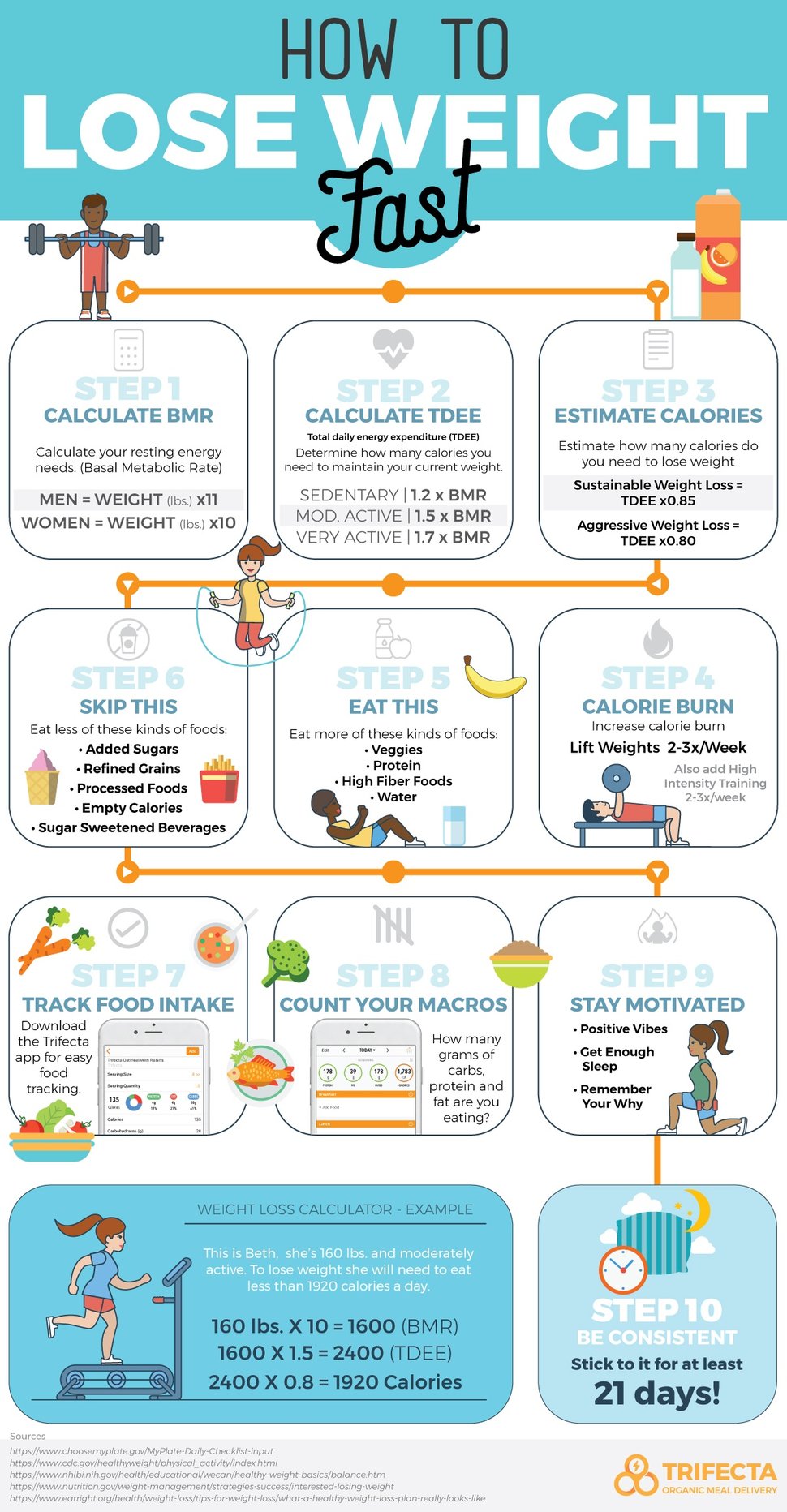
Credit: www.trifectanutrition.com
Building A Support System
Losing weight can feel like a lonely journey, but it doesn’t have to be. Building a support system is like having a safety net that catches you when you fall. It helps you stay motivated and accountable. Whether it’s a friend, a group, or an online community, having people to lean on makes a world of difference. Let’s dive into some ways to create this all-important support system.
Accountability Partners
Think of an accountability partner as your personal cheerleader. This could be a friend, family member, or even a coworker. The idea is to have someone who checks in with you regularly. You both set goals and report back to each other. This can be done through daily texts, weekly calls, or even a coffee catch-up.
Having an accountability partner means you’re less likely to skip that morning jog or indulge in an extra slice of cake. It’s like having a mirror that reflects your actions, making you more aware of your choices. Plus, it’s a two-way street; you also get to motivate and support your partner. Isn’t that a win-win?
Joining Groups
Joining a group is another fantastic way to build your support system. This could be a local weight loss group, an online forum, or even a fitness class. Groups provide a sense of community and belonging. They offer a platform to share your struggles and victories.
Many groups have organized activities like weekly weigh-ins, group workouts, or even cooking classes. These activities make the process more fun and engaging. It’s also a great way to make new friends who understand what you’re going through. Remember, the journey is easier when you’re not walking alone.
To wrap up, building a support system can be a game-changer in your weight loss journey. Whether through an accountability partner or joining a group, having people who support you can make all the difference. So, what are you waiting for? Start building your support system today and take the first step towards a healthier you!
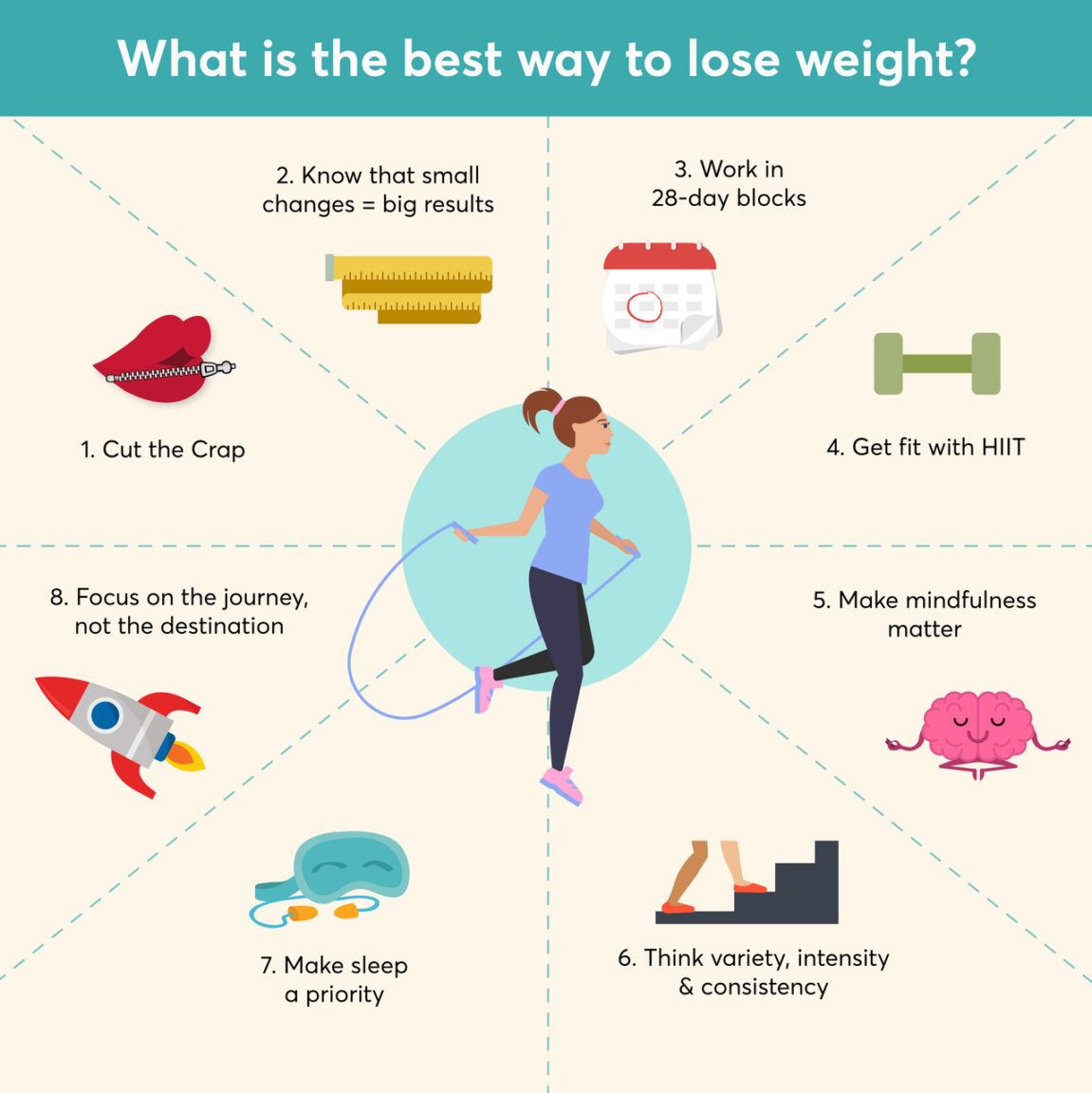
Credit: 28bysamwood.com
Frequently Asked Questions
How Can I Lose Weight Realistically?
To lose weight realistically, eat balanced meals with plenty of vegetables, lean protein, and whole grains. Exercise regularly, including both cardio and strength training. Drink plenty of water and get adequate sleep. Track your progress and stay consistent.
What Is The Fastest Way To Lose Weight Extremely?
Rapid weight loss is unsafe. Focus on a balanced diet, regular exercise, and hydration. Consult a healthcare professional before starting any extreme weight loss plan.
How Can I Lose 20 Pounds In A Month?
To lose 20 pounds in a month, follow a strict diet plan, exercise daily, stay hydrated, and get enough sleep. Avoid processed foods and sugary drinks. Consult a healthcare professional before starting any weight loss program.
What Is The 30/30/30 Rule For Weight Loss?
The 30/30/30 rule for weight loss involves 30 minutes of exercise, 30 grams of protein, and 30 minutes of meal planning daily. This approach promotes balanced nutrition, regular physical activity, and better meal choices, supporting sustainable weight loss.
Conclusion
Losing weight takes effort and consistency. Stick to a healthy diet. Exercise regularly. Small changes add up over time. Celebrate your progress. Stay patient and committed. Avoid quick fixes and fad diets. They often don’t work long-term. Find support from friends or family.
They can keep you motivated. Remember, every step counts. With dedication, you can reach your weight loss goals.