
Entering ketosis can speed up weight loss. But how long does it take?
The journey to losing weight in ketosis varies for everyone. It depends on factors like diet, exercise, and body type. Ketosis, a metabolic state where the body burns fat for fuel, can lead to noticeable weight loss within a few weeks.
But results differ from person to person. Understanding the process helps set realistic expectations. Dive into this article to explore how ketosis works, what influences weight loss speed, and tips for maximizing results. Discover how patience and consistency play vital roles in achieving your goals. Ready to learn more about losing weight in ketosis? Let’s get started!
Introduction To Ketosis
Ever wondered about the secret behind the keto buzz? You’re not alone. Many people are curious about how ketosis can help with weight loss. If you’re new to the term or looking for a deeper dive, let’s start with the basics. Welcome to the world of ketosis!
Ketosis Basics
Ketosis is a state your body enters when it starts using fat for fuel instead of carbohydrates. Normally, your body prefers to burn carbs for energy. But when you drastically reduce your carb intake, your liver begins to convert fats into ketones, which then serve as an alternative energy source.
Imagine your body as a hybrid car that can switch between gas and electric power. Ketosis is like flipping the switch to electric mode. It’s efficient, and many find it effective for weight loss.
Benefits Of Ketosis
Why should you care about ketosis? Well, it’s not just about shedding pounds. Here are some key benefits:
- Weight Loss: The most obvious benefit. When your body burns fat for fuel, you can see the numbers on the scale go down.
- Steady Energy Levels: No more energy crashes. Ketones provide a steady supply of energy, keeping you alert and focused.
- Reduced Appetite: Many people report feeling less hungry on a keto diet, which can make it easier to stick to your eating plan.
- Mental Clarity: Some people experience improved brain function and mental clarity when in ketosis.
Think of ketosis as a multi-tool in your weight loss toolkit. It doesn’t just help you lose weight; it can make the whole process smoother and more enjoyable.
So, ready to flip the switch and see how long it takes to lose weight in ketosis? Stay tuned for more insights and tips in our upcoming sections!
Starting A Ketogenic Diet
Have you ever wondered how long it takes to lose weight when in ketosis? It’s an important question for many who are considering this popular diet. Let’s dive into the initial steps to get you started on the right path!
Initial Steps
First things first, you need to understand what a ketogenic diet involves. This diet is high in fats, moderate in proteins, and very low in carbs. The goal is to get your body into a state called ketosis, where it burns fat for energy instead of carbs. Here’s how you can start:
- Research: Learn as much as you can about the diet.
- Plan Your Meals: Focus on high-fat foods like avocados, cheese, and nuts.
- Stay Hydrated: Drink plenty of water to help your body adjust.
- Check Your Progress: Use ketone strips to see if you’re in ketosis.
Remember, it’s a lifestyle change, not just a diet. Take it one step at a time, and you’ll get there!
Common Challenges
Starting a ketogenic diet can be tough. You’ll face some challenges, but don’t worry, you’re not alone! Here are a few common hurdles:
- Keto Flu: Some people feel tired and have headaches when they start. This is called the “keto flu” and it usually goes away in a week.
- Cravings: Missing your favorite carbs? It’s normal to crave bread or pasta. Try to find keto-friendly alternatives.
- Social Situations: Eating out or attending parties can be tricky. Plan ahead and choose keto-friendly options.
- Patience: Weight loss takes time. Be patient and stick with it, results will come.
It’s all part of the journey. Stay positive, and remember why you started. The results will be worth it!
Body’s Adaptation To Ketosis
Entering ketosis is a significant shift for your body. This state occurs when your body starts burning fats instead of carbs for energy. The process involves various changes. These changes can impact how long it takes to lose weight.
Transition Phase
The transition phase is crucial. During this time, your body switches from using glucose to ketones for energy. This shift can take several days to a week. Some people may experience the “keto flu.” This includes symptoms like headaches, fatigue, and irritability. Staying hydrated and maintaining electrolyte balance can help.
Once the body adapts, energy levels usually improve. Cravings for carbs reduce. This is a sign that ketosis is kicking in. Weight loss may not be immediate. The body needs time to adjust to this new fuel source. Patience and consistency are key during this phase.
Signs Of Ketosis
Knowing when you are in ketosis can help track progress. One common sign is bad breath. This happens due to the presence of acetone, a ketone body. Another sign is increased urination. This occurs as the body sheds excess water and glycogen. Some people also report a metallic taste in their mouth.
Other signs include reduced hunger and increased energy. These are positive indicators that the body is efficiently using ketones. Monitoring these signs can help you stay on track. It also helps in understanding how your body adapts to ketosis.
Each body is different. The adaptation period can vary. Listening to your body and making necessary adjustments can aid in a smoother transition.
Factors Affecting Weight Loss
Embarking on a journey to lose weight while in ketosis can be exciting yet challenging. The time it takes to see results can vary widely from person to person. Several key factors influence how quickly you can shed those extra pounds. Let’s dive into some of the main elements that play a significant role in your weight loss journey.
Dietary Intake
What you eat is crucial when it comes to losing weight in ketosis. Are you eating a well-balanced ketogenic diet? Consuming the right types of fats, proteins, and minimal carbs can make a big difference. Here’s a simple breakdown:
| Macronutrient | Recommended Intake |
|---|---|
| Fats | 70-80% |
| Proteins | 20-25% |
| Carbohydrates | 5-10% |
Eating too many carbs or not enough fats can throw you off ketosis, slowing down your weight loss. Ever tried to bake a cake without the key ingredients? It’s just not the same, right? The same goes for your diet on keto.
Activity Levels
Let’s get moving! Your level of physical activity significantly impacts your weight loss speed. Regular exercise not only burns calories but also helps your body use ketones more efficiently. Here’s why it matters:
- Increased Calorie Burn: Even a brisk walk can help torch those extra calories.
- Muscle Gain: Building muscle can boost your metabolism. More muscle means more calories burned at rest.
- Improved Mood: Ever heard of runner’s high? Exercise releases endorphins, which can make you feel great and stay motivated.
But don’t overdo it. Over-exercising can lead to burnout and injuries. Remember the tortoise and the hare? Slow and steady wins the race.
In summary, while there’s no one-size-fits-all answer to how long it takes to lose weight in ketosis, paying attention to what you eat and how active you are can significantly influence your results. So, put on your chef’s hat, lace up those sneakers, and get ready to see some positive changes!
Expected Timeline For Weight Loss
Starting a keto diet can be both exciting and a bit daunting. Many people wonder, “How long will it take to see results?” Let’s break it down so you know what to expect on your weight loss journey while in ketosis.
Short-term Results
In the first week of ketosis, you might notice some quick changes. This is often due to water weight. When your body enters ketosis, it burns through the stored glycogen in your muscles and liver. Glycogen holds water, so when it’s used up, you lose water weight.
Expect to lose:
- 1-5 pounds in the first week
But remember, this is just the beginning. The real fat loss comes a bit later.
Long-term Goals
After the initial water weight loss, your body will start burning fat for fuel. This is when you see more consistent and meaningful weight loss.
On average, you can expect to lose:
- 1-2 pounds per week
It might not seem like much, but slow and steady wins the race. Plus, losing weight too quickly can be unhealthy and hard to maintain.
Here’s a quick timeline:
- First month: 4-10 pounds
- Three months: 12-24 pounds
- Six months: 24-48 pounds
Patience is key! Everyone’s body is different. Some might see faster results, while others might take longer. Stick with it, and you’ll get there.
So, if you’re asking, “How long does it take to lose weight in ketosis?” The answer is, it varies. But with commitment and patience, you’ll see the results you’re aiming for.
Credit: perfectketo.com
Plateaus And Adjustments
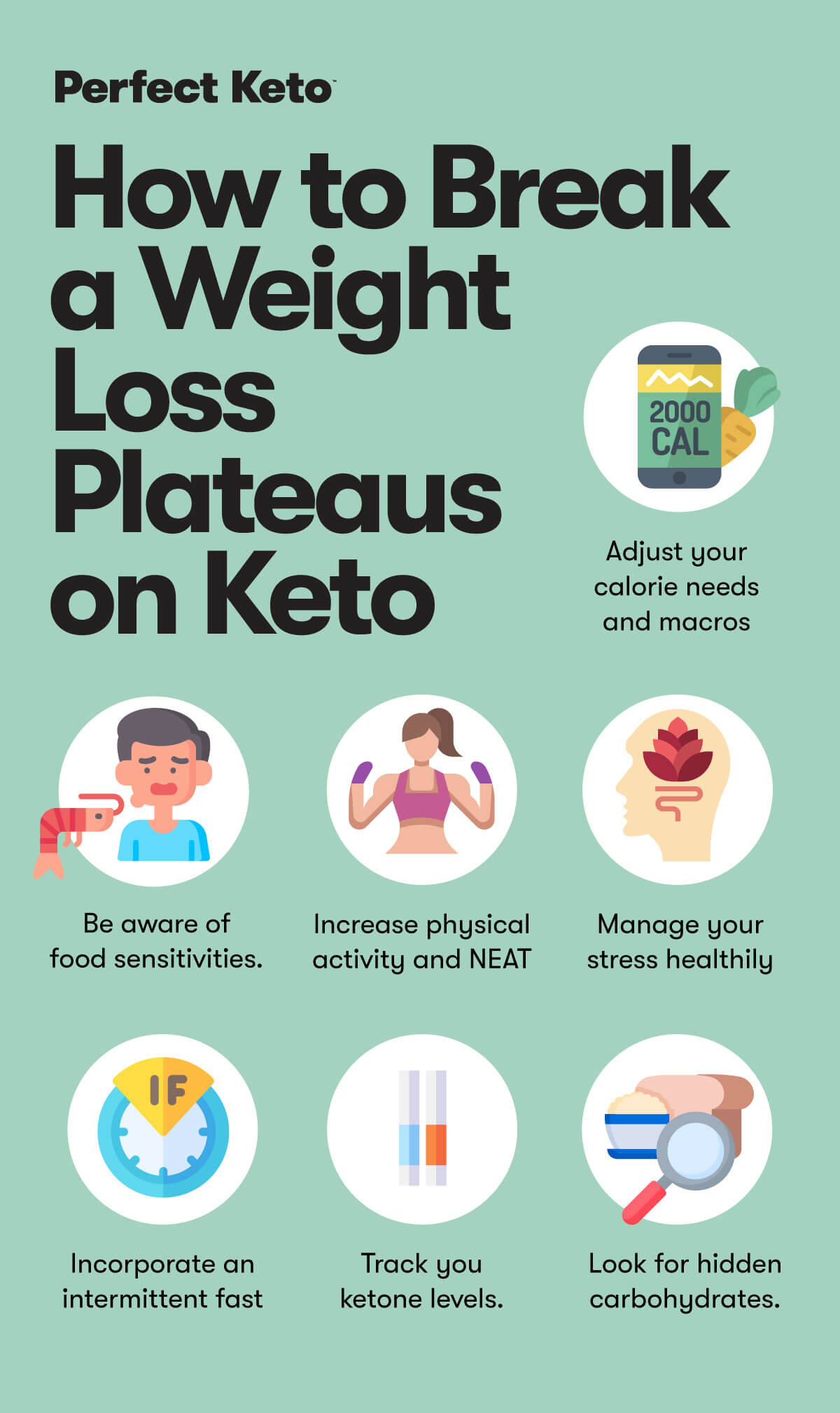
Experiencing a weight loss plateau while in ketosis can be frustrating. Initially, you may see quick results, but eventually, progress slows down. This is a common experience for many. Understanding why plateaus happen and how to adjust your approach can help you continue your weight loss journey.
Understanding Plateaus
Plateaus occur when your body adapts to your new diet. Metabolism slows, and weight loss halts. This is your body’s way of conserving energy. Hormonal changes can also play a role. Stress and sleep patterns may impact your progress as well.
Recognizing a plateau is the first step. If your weight hasn’t changed in a few weeks, you’re likely in a plateau. It’s important not to get discouraged. Instead, use this as an opportunity to reassess your strategy.
Making Adjustments
Adjustments can help you break through a plateau. Start by tracking your food intake. Even small changes can make a difference. Consider reducing your calorie intake slightly. Ensure you’re consuming enough protein and healthy fats.
Increasing your physical activity can also help. Try adding more cardio or strength training to your routine. Sometimes, changing your workout can jumpstart your progress. Don’t forget to stay hydrated and get enough sleep. Both are crucial for weight loss.
Monitoring your progress and making small adjustments can help you overcome a plateau. Stay patient and focused on your goals. Remember, weight loss is a journey, and plateaus are just part of it.
Health Considerations
When embarking on a weight loss journey, particularly one involving ketosis, it’s crucial to consider various health aspects. Sure, shedding those extra pounds is a primary goal, but doing so safely should be paramount. Understanding the health considerations can help you make informed decisions and ensure your weight loss journey is both effective and healthy.
Potential Risks
While ketosis can be an effective way to lose weight, it is not without potential risks. Your body undergoes significant changes when you switch to a ketogenic diet. Here are some things to watch out for:
- Keto Flu: This is a group of symptoms that mimic the flu, including headache, fatigue, and nausea. It usually occurs in the first few days as your body adapts to a low-carb lifestyle.
- Nutrient Deficiencies: When cutting out carbs, you may miss out on essential nutrients found in fruits, vegetables, and grains.
- Digestive Issues: Changes in diet can lead to constipation or diarrhea. Ensuring adequate fiber intake can help mitigate this.
- Electrolyte Imbalance: A reduction in carbohydrate intake can lead to a loss of water and electrolytes, which might cause muscle cramps or heart palpitations.
Consulting Healthcare Providers
Before diving headfirst into ketosis, it’s wise to consult a healthcare provider. They can help you determine if this diet is suitable for you and monitor your health throughout the process. Here are some steps to consider:
- Get a Baseline Checkup: Understanding your current health status can help identify any potential issues that could be exacerbated by a ketogenic diet.
- Discuss Your Goals: Be clear about what you hope to achieve. Your healthcare provider can offer personalized advice and set realistic expectations.
- Regular Monitoring: Regular check-ins can help track your progress and catch any emerging health concerns early.
Remember, health is wealth. Taking the time to understand and address these health considerations will pave the way for a safer and more successful weight loss journey.
Maintaining Weight Loss
Maintaining weight loss after reaching ketosis can be challenging. It requires dedication and a balanced approach. Many people wonder how to keep the weight off once they have achieved their goals. Here, we will explore effective strategies for sustaining ketosis and lifestyle changes to help maintain your weight loss journey.
Sustaining Ketosis
Staying in ketosis means keeping your carb intake low. This helps your body continue burning fat for energy. Monitor your carbohydrate consumption daily. Stay within your target range to remain in ketosis. Regularly test your ketone levels. This can help ensure you are still in ketosis. Use simple tools like ketone strips or blood meters.
Include healthy fats in your diet. They keep you full and satisfied. Good sources include avocados, olive oil, and nuts. Avoid processed foods and sugars. They can kick you out of ketosis quickly. Eat balanced meals with protein, fats, and low-carb veggies.
Lifestyle Changes
Adopting a healthy lifestyle is crucial for maintaining weight loss. Regular exercise is important. It helps you burn more calories and stay fit. Aim for at least 30 minutes of physical activity daily. Choose activities you enjoy, like walking, cycling, or swimming.
Get enough sleep each night. Lack of sleep can lead to weight gain. Aim for 7-8 hours of sleep per night. Manage stress effectively. Stress can affect your eating habits and metabolism. Practice relaxation techniques like meditation or deep breathing exercises.
Stay hydrated throughout the day. Water helps you feel full and supports metabolism. Drink at least 8 glasses of water daily. Plan your meals ahead of time. This helps you stay on track and avoid unhealthy choices. Prepare and cook your meals at home. This way, you control the ingredients and portion sizes.
Real-life Success Stories
Ever wondered how long it takes to lose weight when in ketosis? You’re not alone. Many people have walked this path before you, and their stories can be a great source of inspiration. Let’s dive into some real-life success stories that highlight the journey of weight loss in ketosis.
Inspirational Journeys
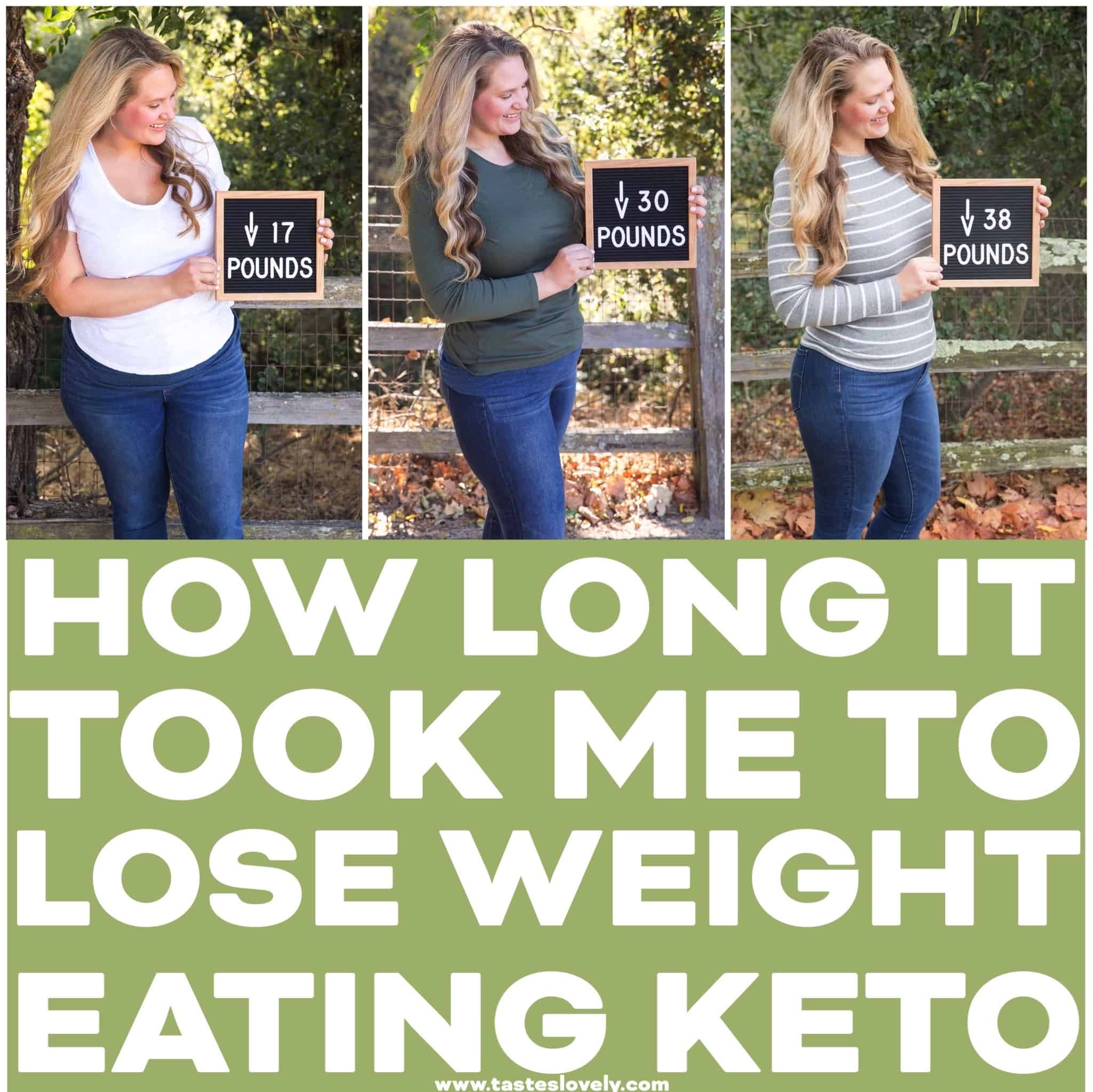
Meet Sarah, a 35-year-old mother of two. She started her keto journey weighing 200 pounds. After just three months, she shed 30 pounds. Sarah’s secret? Consistency and patience. She embraced a keto-friendly diet and stuck to it even during family gatherings. Her motto: “Slow and steady wins the race.”
Then there’s John, a 45-year-old office worker. He was 50 pounds overweight and felt sluggish all the time. John decided to give keto a try. Within six months, he lost 40 pounds. What worked for him? A combination of keto meals and light exercise. John often jokes, “I traded my love for bread for a love for life!”
Lessons Learned
From these stories, a few lessons stand out:
- Consistency is key: Both Sarah and John stayed true to their keto diets, even when tempted by delicious non-keto foods.
- Patience pays off: Weight loss in ketosis is not instant. It requires time and dedication.
- Small changes matter: Incorporating light exercise, like John did, can accelerate your progress.
Remember, everyone’s body is different. What works for one person might not work for another. But with determination, you can achieve your weight loss goals in ketosis.
Credit: www.tasteslovely.com

Credit: ketologic.com
Frequently Asked Questions
How Quickly Do You Lose Weight In Ketosis?
In ketosis, weight loss varies. Typically, you might lose 1-2 pounds per week. Initial weight loss can be faster due to water loss. Individual results depend on diet, activity level, and metabolism.
How Fast To Lose 20 Pounds On Keto?
Losing 20 pounds on keto typically takes 2-3 months. Results vary based on individual metabolism, adherence, and activity levels.
How To Speed Up Weight Loss In Ketosis?
Increase protein intake, stay hydrated, and avoid processed foods. Maintain a caloric deficit. Incorporate regular exercise and ensure adequate sleep.
How Much Weight Can You Lose In 2 Weeks On Keto?
You can lose 5 to 10 pounds in 2 weeks on keto. Weight loss varies per individual.
Conclusion
Shedding pounds in ketosis takes time and patience. Results can vary widely. Some see changes in weeks, others need months. Healthy weight loss is key. Balance your diet, stay active, and be consistent. Consult your doctor for personalized advice. Keep track of your progress and adjust as needed.
Stay motivated and focused on your goals. Your journey to weight loss is unique. Celebrate small victories along the way. Remember, persistence pays off.