
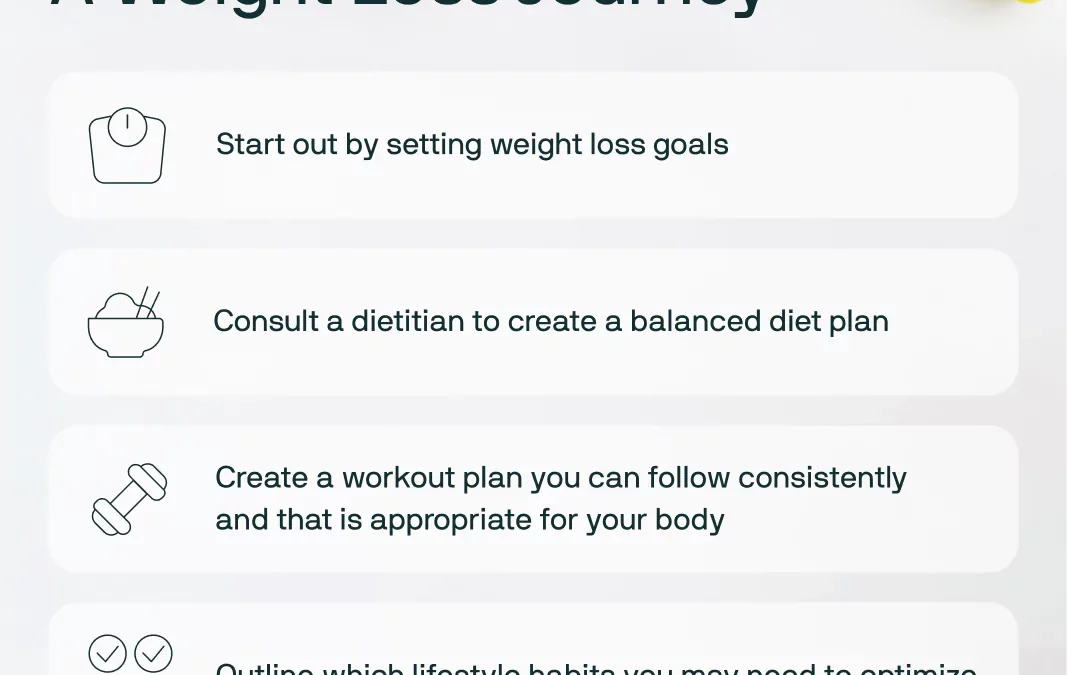
To start your weight loss journey, begin with setting clear and realistic goals. Understand your motivation and create a plan that fits your lifestyle.
Embarking on a weight loss journey can feel overwhelming, but it doesn’t have to be. By taking small, manageable steps, you can make significant progress over time. The key is to focus on sustainable changes rather than quick fixes. Start by assessing your current habits and identifying areas for improvement.
This might involve making healthier food choices, incorporating more physical activity into your routine, and finding ways to stay motivated. Remember, every journey is unique, and what works for one person might not work for another. With dedication and the right approach, you can achieve your weight loss goals and improve your overall well-being.

Credit: www.youtube.com
Setting Realistic Goals
Embarking on a weight loss journey is exciting, but it’s important to set realistic goals from the get-go. Having clear, achievable goals will keep you motivated and help you track your progress. Let’s dive into how you can set these goals effectively.
Determine Your Why
Before you start, ask yourself: Why do I want to lose weight? Understanding your motivation is crucial. Are you aiming for better health, more energy, or to fit into your favorite jeans again? Knowing your “why” will keep you going on tough days. Write it down and refer to it often.
Set Achievable Milestones
Big goals can be overwhelming. Break them down into smaller, manageable milestones. For example, if your ultimate goal is to lose 20 pounds, start by aiming to lose 2 pounds a week. This makes the goal more digestible and less intimidating.
| Milestone | Timeframe |
|---|---|
| Lose 2 pounds | 1 week |
| Lose 10 pounds | 5 weeks |
| Lose 20 pounds | 10 weeks |
By setting these smaller goals, you celebrate each success along the way, boosting your confidence and keeping you on track. Remember, Rome wasn’t built in a day!
- Track Progress: Use a journal or app to record your milestones.
- Stay Flexible: If you hit a plateau, don’t stress. Adjust your plan and keep moving forward.
- Reward Yourself: Treat yourself when you hit a milestone. It doesn’t have to be food-related; a new book or a spa day works wonders!
In conclusion, setting realistic goals is your first step towards a successful weight loss journey. By knowing your “why” and breaking down your goals into achievable milestones, you’ll set yourself up for long-term success. Ready to start? Let’s do this!

Credit: www.amazon.com
Creating A Meal Plan
Starting your weight loss journey can be daunting, but one surefire way to set yourself up for success is by creating a meal plan. A well-structured meal plan ensures you get the right nutrients and helps you avoid unhealthy food choices. Let’s dive into the essentials of creating a meal plan that supports your weight loss goals.
Balanced Nutrition
Balanced nutrition is the foundation of any successful meal plan. It’s not just about eating less; it’s about eating right. Your body needs a mix of proteins, fats, and carbohydrates to function properly. Here’s a simple breakdown:
- Proteins: Essential for muscle repair and growth. Good sources include chicken, fish, beans, and tofu.
- Fats: Necessary for energy and cell function. Opt for healthy fats like avocados, nuts, and olive oil.
- Carbohydrates: Provide the energy to fuel your day. Choose whole grains, fruits, and vegetables for sustained energy.
Remember, balance is key. Don’t cut out entire food groups; instead, focus on portion control and variety.
Healthy Recipes
Now that you know what to eat, let’s talk about how to prepare your meals. Healthy recipes don’t have to be boring or bland. In fact, with a little creativity, you can enjoy delicious meals that are good for you too. Here are a couple of my favorite recipes to get you started:
1. Grilled Chicken Salad
This recipe is both simple and delicious. It’s perfect for lunch or dinner.
| Ingredients | Instructions |
|---|---|
|
|
2. Oatmeal with Berries
A great way to start your day with a burst of energy.
| Ingredients | Instructions |
|---|---|
|
|
These recipes are just the tip of the iceberg. The key is to find meals that you enjoy and can prepare easily. With a balanced approach and some tasty recipes, your weight loss journey will be both enjoyable and successful. And remember, every small step counts. Happy eating!
Incorporating Exercise
Starting your weight loss journey can be exciting. One key component is exercise. It helps burn calories and builds muscle. Exercise also boosts your mood. Below, we discuss how to incorporate exercise into your routine.
Find Enjoyable Activities
Exercise should be fun. This way, you’ll stick with it. Think about what you enjoy. Walking, dancing, or swimming are good options. Team sports can be enjoyable too. Try different activities to see what you like.
Don’t force yourself into something you hate. You won’t last. Enjoyment keeps you motivated. It makes exercise feel less like a chore. Always remember, the best exercise is the one you enjoy.
Create A Workout Schedule
A schedule helps you stay on track. It makes exercise a habit. Plan your workouts for the week. Choose specific days and times. Stick to your plan as much as possible. Consistency is key for weight loss.
Start with small goals. This makes it easier to achieve. Gradually increase the time and intensity. Don’t push yourself too hard. Listen to your body. Rest is important too. Your muscles need time to recover.
Mix different exercises in your schedule. This prevents boredom. It also works different muscle groups. Keep your workouts varied and interesting.
Staying Hydrated
Staying hydrated plays a crucial role in your weight loss journey. Drinking water helps keep your body functioning properly. It also aids in weight management. Read on to understand the benefits of water and how much you should drink daily.
Benefits Of Water
Water boosts your metabolism. This helps burn calories more efficiently. Proper hydration also supports digestion. It makes you feel full, reducing the urge to snack. Water helps flush out toxins. This keeps your body clean and healthy. Staying hydrated also maintains your energy levels. You feel more active and motivated to exercise.
Daily Water Intake
How much water should you drink each day? Experts suggest about eight 8-ounce glasses. This is known as the “8×8 rule.” Your needs may vary based on activity level and climate. Always listen to your body. Drink more if you feel thirsty. Carry a water bottle with you. This reminds you to drink water regularly. Try drinking a glass before each meal. It can help control your appetite.
Tracking Progress
Tracking your progress is key to a successful weight loss journey. It helps you stay motivated and see how far you’ve come. Keeping track also makes it easier to adjust your plan if needed. There are several effective ways to monitor your progress.
Use A Journal
Using a journal can be very helpful. Write down what you eat each day. Note the time you eat and how much. Include any physical activities you do. This helps you see patterns. You might notice you eat more when stressed. Or, you might find you skip breakfast often. Knowing this helps you make better choices.
Also, track your weight and measurements. Measure your waist, hips, and thighs weekly. This shows progress beyond the scale. Sometimes you lose inches even if the scale doesn’t move. Recording your feelings is also important. Write about your mood, energy levels, and sleep. These factors influence your weight loss.
Apps And Tools
Many apps and tools can help you track your progress. MyFitnessPal is a popular choice. It lets you log your meals and exercise. It also tracks your calorie intake and expenditure. Another good app is Lose It!. It helps you set goals and track food. Both apps have large food databases. This makes logging meals easy.
Fitness trackers like Fitbit or Apple Watch are useful too. They monitor your physical activity and heart rate. They also track your sleep patterns. Seeing your daily steps and active minutes can motivate you. Many devices sync with apps, giving you a complete picture.
For those who prefer a more visual approach, try progress photos. Take pictures every month. Compare them to see changes in your body. This can be very motivating.
Staying Motivated
Starting a weight loss journey is an exciting step. But staying motivated can be tough. It’s easy to lose focus or feel discouraged. To keep going, you need to find ways to stay inspired and driven.
Find Support
Surround yourself with people who encourage you. Join a weight loss group or find a buddy. Share your goals with friends and family. They can offer support and keep you accountable. Positive feedback from others can boost your motivation.
Celebrate Small Wins
Every small step counts. Lost a pound? Celebrate it. Made a healthy meal choice? Cheer for yourself. These small wins add up and keep you motivated. Keep a journal to track your progress. Write down your achievements, no matter how small. This will help you see how far you’ve come.
Getting Enough Sleep
Embarking on a weight loss journey is a commendable decision, and while diet and exercise are often highlighted, there’s another crucial factor: sleep. Yes, you read that right! Getting enough sleep is incredibly important for shedding those extra pounds. Let’s dive into why sleep matters and how you can create a sleep routine that supports your weight loss goals.
Sleep And Weight Loss
Did you know that lack of sleep can actually make you gain weight? When you don’t get enough rest, your body craves high-calorie foods. Ever noticed how you reach for a cookie when you’re tired? That’s your body’s way of seeking quick energy. Poor sleep can also slow down your metabolism, making it harder to burn calories. In short, sleep and weight loss are closely linked.
Research shows that people who sleep less than seven hours a night tend to have higher body fat. Sleep helps regulate hormones that control hunger and fullness. When you’re well-rested, you make better food choices and have the energy to work out. So, if you’re serious about losing weight, don’t neglect your sleep.
Create A Sleep Routine
Now that we know how important sleep is, let’s talk about how to get more of it. Creating a sleep routine can make a big difference. Here are some simple steps to help you get started:
- Set a consistent bedtime: Go to bed and wake up at the same time every day, even on weekends.
- Create a relaxing environment: Make your bedroom dark, quiet, and cool. Use earplugs or an eye mask if needed.
- Avoid screens before bed: The blue light from phones and computers can keep you awake. Try reading a book instead.
- Limit caffeine and alcohol: These can interfere with your sleep. Try to avoid them in the evening.
- Practice relaxation techniques: Deep breathing, meditation, or a warm bath can help you unwind before bed.
Imagine you’re tucking in for the night, your room is cozy, and you’ve just finished a chapter of your favorite book. Sounds nice, right? Creating a sleep routine doesn’t have to be complicated. It’s about making small changes that help you wind down and prepare for a good night’s sleep.
In conclusion, getting enough sleep is a powerful tool in your weight loss journey. It’s not just about the hours you spend in bed, but the quality of your sleep. So, give these tips a try and see how better sleep can help you achieve your weight loss goals. Sweet dreams!
Credit: www.nifs.org
Managing Stress
Embarking on a weight loss journey can feel like stepping into a maze with no end in sight. One crucial, yet often overlooked, aspect is managing stress. Did you know that stress can actually hinder your weight loss goals? Let’s dive into how managing stress can make a significant difference in your journey towards a healthier you.
Stress And Weight Gain
Stress is a sneaky saboteur when it comes to weight loss. When you’re stressed, your body releases a hormone called cortisol. In small doses, cortisol is fine, but chronic stress keeps cortisol levels high. This can lead to weight gain, especially around your belly. Imagine trying to lose weight while your body is actively working against you!
Moreover, stress can lead to emotional eating. How often have you reached for a snack when feeling overwhelmed? It’s not just you—many people turn to comfort food as a way to cope. Unfortunately, these comfort foods are usually high in sugar and fats, which can derail your weight loss efforts.
Relaxation Techniques
So, how can you manage stress to support your weight loss journey? Here are some effective relaxation techniques:
- Deep Breathing: Take a few minutes each day to focus on your breath. Inhale deeply through your nose, hold for a few seconds, and exhale slowly through your mouth. This simple exercise can calm your mind and reduce stress.
- Meditation: Find a quiet spot, close your eyes, and focus on a single point, like your breath or a mantra. Just 10 minutes a day can make a big difference.
- Exercise: Physical activity is a fantastic stress buster. Whether it’s a brisk walk, yoga, or dancing, moving your body can help reduce stress levels.
- Hobbies: Engage in activities you love. Whether it’s painting, gardening, or reading, doing something enjoyable can take your mind off stress.
Remember, managing stress is not just about losing weight; it’s about improving your overall well-being. Think of it as a two-for-one deal—less stress and more progress on your weight loss journey. Who wouldn’t want that?
Incorporating these relaxation techniques into your daily routine can help you stay calm, focused, and better equipped to tackle your weight loss goals. It’s all about finding what works for you and sticking with it.
So, what’s your go-to stress buster? And how will you incorporate it into your weight loss journey? Share your thoughts in the comments below. Let’s support each other on this path to a healthier, happier life!
Frequently Asked Questions
How Do I Start A Weight Loss Journey For Beginners?
Begin with setting realistic goals. Create a balanced diet plan. Incorporate regular exercise, like walking or cycling. Stay hydrated and get enough sleep. Track your progress and stay consistent.
What Is The 30/30/30 Rule For Weight Loss?
The 30/30/30 rule for weight loss involves 30 minutes of exercise, 30 grams of protein, and 30 minutes of mindful eating daily. This balanced approach promotes healthy habits, boosts metabolism, and aids in weight management.
What Is The First Step To Losing Weight?
The first step to losing weight is setting realistic goals. Create a balanced diet plan and start exercising regularly. Stay consistent and monitor your progress.
How Can I Lose 20 Pounds In A Month?
To lose 20 pounds in a month, follow a strict diet plan, exercise regularly, stay hydrated, get enough sleep, and avoid sugary foods. Consult a doctor before starting any weight loss plan.
Conclusion
Starting your weight loss journey takes courage and dedication. Set realistic goals. Make small changes. Eat balanced meals. Stay active daily. Track your progress. Celebrate small victories. Seek support from friends or groups. Stay patient and positive. Remember, every step counts.
Your journey is personal. Keep moving forward. You can do it.