

Yes, you can lose weight by eating one meal a day. This method is called OMAD, or One Meal A Day.
It involves eating all your daily calories in just one meal. In the quest for weight loss, many people explore different diets. One such diet is OMAD, which has gained popularity for its simplicity. Instead of spreading meals throughout the day, you consume all your food in one sitting.
This approach promises not only weight loss but also other health benefits. But is it effective and safe? In this post, we’ll dive into what eating one meal a day entails, how it affects your body, and whether it’s a good choice for you. By understanding the basics, you can decide if OMAD fits your lifestyle and goals.
Introduction To One Meal A Day
One Meal a Day (OMAD) has gained attention from those wanting to lose weight. This approach is simple yet strict. It involves eating all your daily calories in one meal.
What Is One Meal A Day?
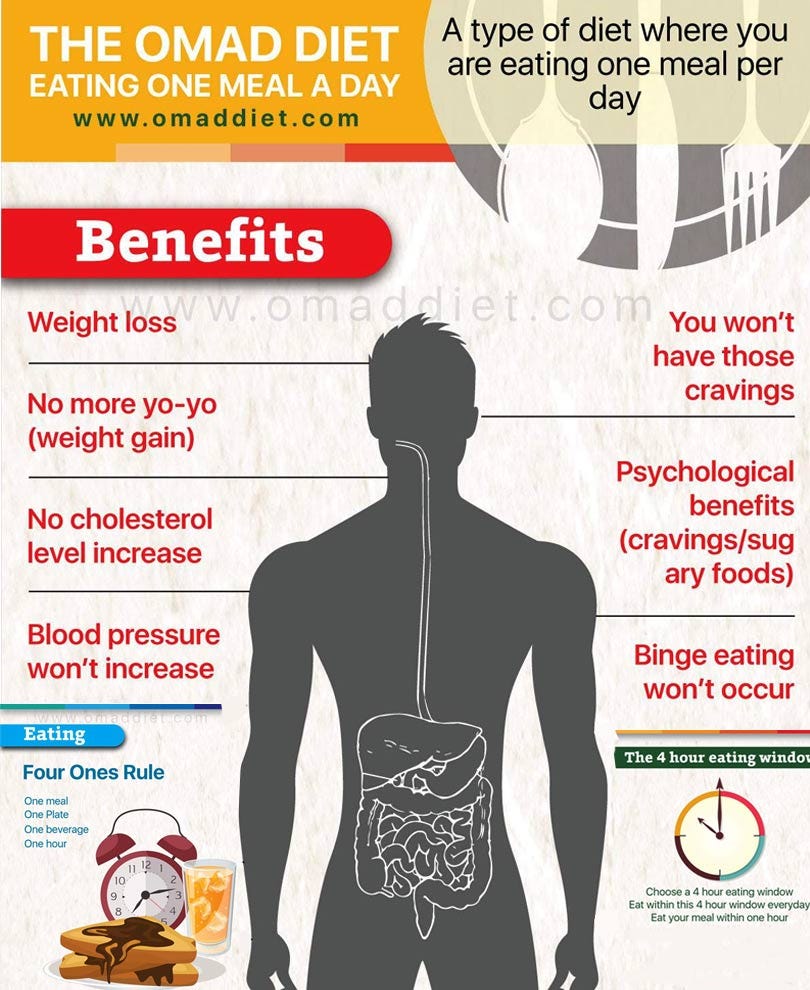
OMAD means fasting for about 23 hours and eating during a one-hour window. You consume all your nutrients and calories in that single meal. This method is a form of intermittent fasting. Many people choose OMAD for its simplicity. No need to plan multiple meals each day.
Origin And Popularity
The idea of fasting is not new. Ancient cultures practiced fasting for various reasons. OMAD, as a modern diet trend, gained traction through social media and blogs. Many found success and shared their stories online. This led to a surge in its popularity.
Experts and influencers also played a role. They promoted OMAD as a way to lose weight and improve health. Its rise in popularity is linked to the broader interest in intermittent fasting. People are always looking for effective weight loss methods. OMAD stands out due to its simplicity and structure.
Credit: brightside.me
How One Meal A Day Works
One Meal a Day (OMAD) is a type of intermittent fasting. It means consuming all your daily calories in just one meal. This method has gained popularity. People believe it helps in weight loss. But how does this eating pattern work? Let’s explore.
Caloric Restriction
Eating one meal a day limits your calorie intake. With only one meal, it’s hard to overeat. This caloric restriction leads to weight loss. Most people consume fewer calories than they burn.
Fewer calories mean the body uses stored fat for energy. This process helps in losing weight. It also reduces the chances of consuming junk food. Fewer meals mean less temptation.
Metabolic Effects
OMAD may boost metabolism. Eating all your calories in one go can increase the thermic effect of food. This means the body burns more calories to digest the meal.
Fasting for long periods also affects insulin levels. Lower insulin levels can lead to fat burning. The body becomes more efficient in using stored fat for energy. This can promote weight loss.
Additionally, fasting might improve other metabolic markers. These include blood sugar levels and cholesterol. This can enhance overall health.
Potential Benefits
So, you’re curious about the one meal a day (OMAD) diet and whether it can help you shed those extra pounds. Well, you’re in the right place! The OMAD diet has gained popularity, and many people are raving about its potential benefits. Let’s dive into some of the key advantages you might experience if you give this unique eating approach a try.
Weight Loss
First and foremost, weight loss is often the main reason people turn to the OMAD diet. When you restrict your eating to just one meal, it naturally reduces your calorie intake. Think about it – instead of snacking throughout the day, you focus on a single, satisfying meal. This can make it easier to create a calorie deficit, which is essential for weight loss.
But there’s more! The OMAD diet can also help control your appetite. When you eat only once a day, your body adjusts, and you may find that you feel less hungry. This can make it easier to stick to your eating plan. Plus, many people find that they enjoy their food more when they eat less frequently, savoring every bite.
Improved Metabolic Health
Besides shedding pounds, the OMAD diet may also improve your overall metabolic health. How? By giving your body more time to rest between meals, you can lower insulin levels and improve insulin sensitivity. This is important because high insulin levels are linked to various health issues, including type 2 diabetes.
Moreover, the OMAD diet can boost your body’s ability to burn fat. When you go without food for an extended period, your body switches from burning glucose to burning stored fat for energy. This process, known as ketosis, can help you lose weight and improve metabolic health.
And there’s more good news! Some studies suggest that intermittent fasting, like the OMAD diet, can reduce inflammation and oxidative stress. These benefits can lead to a healthier heart, better brain function, and even a longer life. Who wouldn’t want that?
Credit: m.youtube.com
Possible Risks
Thinking about losing weight by eating only one meal a day? This diet method is called OMAD (One Meal A Day). While it may help you shed pounds, it also comes with risks. Let’s explore some of these risks in detail.
Nutritional Deficiencies
Eating just one meal a day can make it hard to get all the nutrients your body needs. Vitamins, minerals, proteins, and healthy fats are essential for your health. Here are some potential problems:
- Vitamins and Minerals: You may not get enough vitamins like A, C, and D, or minerals like calcium and iron.
- Proteins: Protein is vital for muscle repair and growth. Missing out on it can weaken your muscles.
- Healthy Fats: Fats are important for brain health. A lack of omega-3 fatty acids can affect your mood and memory.
For example, my friend Ana tried OMAD. She felt tired and weak after a month. She wasn’t getting enough iron, which made her anemic. It’s a clear sign that balancing nutrients in one meal is tough.
Impact On Metabolism
Our metabolism is like a car engine. It needs fuel to run smoothly. Skipping meals can slow it down. Here’s how:
- Slower Metabolism: When you eat less, your body thinks it’s starving. It slows down to save energy. This can make it harder to lose weight.
- Muscle Loss: Your body may start using muscle for energy. Losing muscle slows your metabolism even more.
- Blood Sugar Levels: Eating only once can cause blood sugar spikes and drops. This can make you feel tired and dizzy.
Imagine driving a car that sputters and stops at random. That’s what happens to your metabolism on OMAD. I tried it once, and my energy levels were all over the place. It felt like riding a roller coaster.
In conclusion, while OMAD might help you lose weight, it also comes with significant risks. Nutritional deficiencies and a slower metabolism are just a couple of the issues you could face. Always consult with a healthcare professional before starting any diet. Your health is more important than a quick fix.
Who Should Avoid It
People with diabetes, heart conditions, or eating disorders should avoid eating one meal a day. Pregnant women and children also need more balanced nutrition.
Eating one meal a day, also known as OMAD, can be tempting for weight loss. But it’s not suitable for everyone. Some groups should avoid this diet due to potential health risks. Below, we’ll explore who should steer clear of OMAD.Medical Conditions
Individuals with diabetes should avoid OMAD. They need regular meals to manage blood sugar levels. Skipping meals can lead to dangerous spikes or drops in blood sugar. Those with eating disorders should also skip OMAD. Restrictive diets can trigger unhealthy eating patterns. It’s better to follow a balanced and structured meal plan. People with gastrointestinal issues might find OMAD hard. Large meals can overwhelm the digestive system. Smaller, more frequent meals are often easier on the stomach.Specific Populations
Pregnant women should not follow OMAD. They need extra nutrients for the baby’s growth. Regular meals help meet these nutritional needs. Children and teenagers should also avoid OMAD. Their bodies require consistent fuel for growth and development. Irregular eating can affect their physical and mental health. Older adults might struggle with OMAD too. They often need more nutrients and calories. Regular, balanced meals help maintain their health and energy levels. Athletes need steady energy and nutrients. One meal a day might not provide enough fuel for their rigorous training. Multiple meals spread throughout the day support their performance better. “`Tips For Success
Embarking on a journey to lose weight by eating one meal a day can feel like a daunting task. But don’t worry, with a few handy tips, you can make it work. Here are some key points to keep in mind to ensure your success.
Balanced Meals
When you eat just one meal a day, it’s crucial to make it count. Imagine your plate as a colorful palette, with a variety of nutrients represented. You should aim for:
- Protein (like chicken, fish, tofu) for muscle strength
- Vegetables (think leafy greens, carrots, broccoli) for vitamins
- Whole grains (such as brown rice, quinoa) for energy
- Healthy fats (like avocado, nuts) for brain function
This approach ensures you’re not missing out on essential nutrients. Remember, a balanced meal keeps you full and satisfied, avoiding those pesky hunger pangs. Picture this: a hearty chicken salad with avocados, a mix of greens, and a side of quinoa. Delicious and nutritious!
Staying Hydrated
Water, water, everywhere! Drinking plenty of water is key. Staying hydrated helps control hunger and keeps your body running smoothly. Here are some tips:
- Start your day with a glass of water.
- Carry a water bottle with you.
- Set reminders to drink water if you tend to forget.
- Incorporate herbal teas or flavored water for variety.
Personally, I find drinking a glass of water before my meal makes me feel fuller, helping me eat just the right amount. Plus, it’s a great way to keep your skin glowing!
By focusing on balanced meals and staying hydrated, you’ll set yourself up for success. Remember, every journey has its ups and downs, but with these tips, you’re well on your way to achieving your weight loss goals. Happy eating!
Comparing Diets
People often seek effective ways to lose weight. Two popular methods are intermittent fasting and traditional diet plans. Each has unique benefits and challenges. Understanding these differences can help you make an informed choice.
Intermittent Fasting
Intermittent fasting involves eating during a specific window of time. One common method is the One Meal a Day (OMAD) plan. This means consuming all daily calories in one meal. Many find it simple and easy to follow. It can help with calorie control and reduce hunger.
People on OMAD often feel a sense of freedom. They do not need to plan multiple meals. Some studies suggest intermittent fasting can boost metabolism. It may also improve insulin sensitivity. However, it is not for everyone. Some may struggle with hunger or low energy levels.
Traditional Diet Plans
Traditional diet plans involve structured eating throughout the day. These plans typically include three meals and two snacks. They focus on balanced nutrition and portion control. Many people find them easier to maintain long-term.
Traditional diets can provide steady energy levels. They also offer more flexibility. People can enjoy a variety of foods. Yet, these plans require more planning and preparation. They may also involve counting calories or tracking macros.
Both methods have their pros and cons. The best choice depends on personal preferences and lifestyle. Consider what will work best for you. Both plans can lead to weight loss if followed consistently.
Expert Opinions
Many people wonder if eating one meal a day can help with weight loss. Experts have various opinions on this topic. In this section, we’ll explore what professionals think about this diet approach.
Nutritionists’ Views
Nutritionists often advise against eating one meal a day. They believe it can lead to nutrient deficiencies. This is because one meal may not provide all essential vitamins and minerals. Consistent nutrient intake is crucial for overall health.
Eating one meal a day may also cause energy crashes. The body needs steady fuel throughout the day. Long gaps between meals can impact energy levels negatively. This can affect daily activities and exercise performance.
Some nutritionists argue that eating more frequently keeps metabolism active. Smaller, balanced meals can help maintain energy and mood. Regular meals can support better digestion and nutrient absorption.
Real-life Success Stories
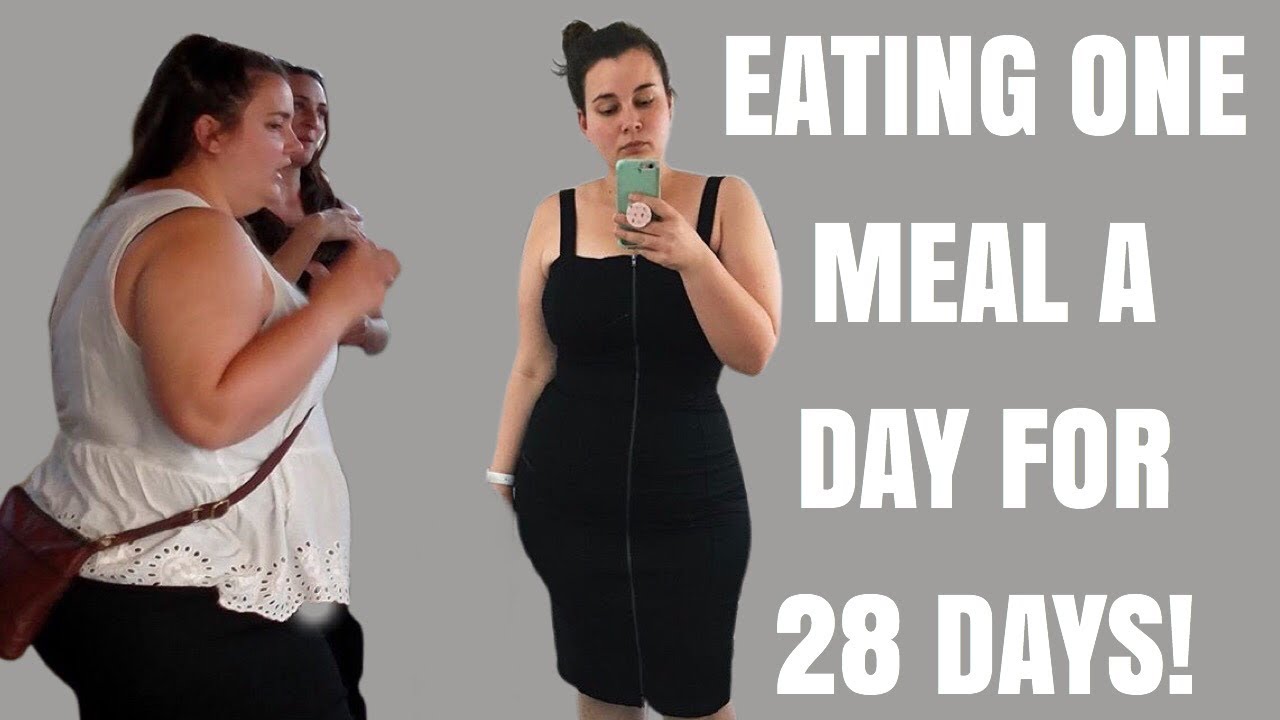
Despite expert concerns, some individuals report success with one meal a day. These stories often include significant weight loss. People claim to feel more focused and energized. This method works for some due to its simplicity.
One person shared their experience online. They lost 30 pounds in three months. They found it easier to manage hunger and cravings. This approach fit their busy lifestyle well.
Another success story involves a professional athlete. They used one meal a day to cut weight. They maintained muscle mass while shedding fat. This method helped them reach their target weight for competition.
While these stories are inspiring, individual results vary. What works for one person may not work for another. It’s essential to consider personal health and lifestyle before trying this diet.
Credit: medium.com
Frequently Asked Questions
What Happens If You Only Eat One Meal A Day?
Eating one meal a day can lead to weight loss, improved focus, and potential nutrient deficiencies. It may also cause hunger, irritability, and fatigue. Consult a healthcare professional before making significant dietary changes.
How Much Weight Can You Lose On One Meal A Day?
You can lose 1-2 pounds per week on one meal a day, depending on your calorie intake and metabolism.
How To Lose 10 Lbs In A Week?
To lose 10 lbs in a week, follow a strict diet plan. Eat healthy, low-calorie foods and drink plenty of water. Incorporate daily exercise such as cardio and strength training. Avoid sugary drinks and junk food. Consult a healthcare professional before starting any intense weight loss program.
Can I Lose Weight If I Eat One Fast Food Meal A Day?
Yes, you can lose weight eating one fast food meal daily. Focus on portion control and choose healthier options. Ensure you balance it with nutritious meals and regular exercise. Weight loss depends on overall calorie intake and expenditure.
Conclusion
Losing weight by eating one meal a day is possible. Results vary for each person. This method can fit some lifestyles. It’s important to eat balanced meals. Consult a doctor before starting. Be aware of potential side effects. Listen to your body.
Stay hydrated. Consider other healthy habits too. Regular exercise helps maintain weight loss. Remember, sustainable changes bring lasting results. Choose what works best for you.