
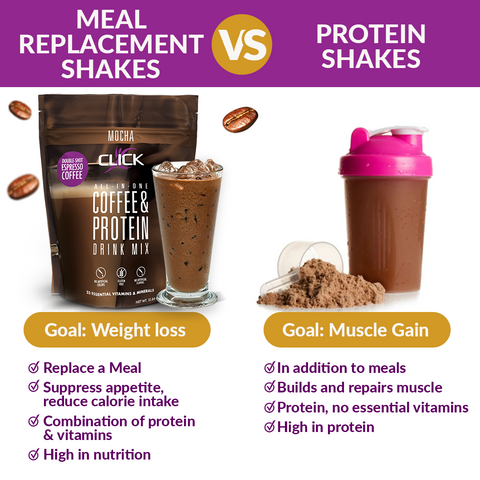
Yes, you can lose weight by drinking meal replacements. These products offer a convenient way to control calorie intake.
Meal replacements can be helpful when trying to shed pounds. They are designed to provide essential nutrients while keeping calories low. Many people find them easier than cooking or counting calories. But, like any diet plan, success depends on how you use them.
Balance is key. You should understand how meal replacements fit into your overall diet. It’s important to know their benefits and limitations. This blog will explore how meal replacements can aid in weight loss. It will also discuss how to use them effectively. Ready to learn more? Let’s dive in!

Credit: www.herbalife.com
Introduction To Meal Replacements
Meal replacements have gained popularity in the weight loss world. They offer a convenient way to manage calorie intake. But what exactly are they? And why have they become so popular? Let’s dive in.
What Are Meal Replacements?
Meal replacements are shakes, bars, or soups. They are designed to replace a traditional meal. These products offer a controlled amount of calories. They also contain essential nutrients. This ensures that you receive vital vitamins and minerals. They are usually low in calories but high in protein.
Many find them convenient. They save time and effort in meal preparation. They can be a quick solution for busy lifestyles. These products come in various flavors. This helps keep things interesting and reduces monotony.
Popularity In Weight Loss
Meal replacements have become popular in weight loss programs. They simplify calorie counting. This makes it easier to stay within daily limits. Many people find it easier to control their portions. This can lead to more consistent weight loss results.
They also help in avoiding unhealthy food choices. Replacing a meal with a shake or bar can reduce the temptation. This is especially helpful in environments with many food options. Studies show that structured meal plans improve adherence to diets.
Another reason for their popularity is their convenience. They can be carried easily and consumed anywhere. This makes sticking to a diet plan simpler. People with busy schedules find this particularly useful.
Nutritional Value
When considering meal replacements for weight loss, one of the most important factors is their nutritional value. After all, nobody wants to lose weight at the expense of their health. So, let’s dive into what makes these meal replacements nutritious and how they stack up against whole foods.
Essential Nutrients
Meal replacements are designed to be nutritionally complete. They often contain a balanced mix of proteins, carbohydrates, fats, vitamins, and minerals. Here’s a quick look at the essential nutrients you can expect:
- Proteins: These help in muscle repair and growth.
- Carbohydrates: Provide energy to keep you going throughout the day.
- Fats: Essential for brain function and hormone production.
- Vitamins and Minerals: Support overall health and well-being.
Imagine you’re on a tight schedule and don’t have time to cook. A meal replacement shake can ensure you get these vital nutrients without the fuss. But, are they as good as whole foods? Let’s compare.
Comparing To Whole Foods
Whole foods, such as fruits, vegetables, lean meats, and grains, are packed with nutrients and fiber. They offer a wide range of vitamins and minerals that are often in their most bioavailable form. Here’s a comparison to see where meal replacements and whole foods stand:
| Aspect | Meal Replacements | Whole Foods |
|---|---|---|
| Nutrient Density | Moderate to High | High |
| Fiber Content | Varies, Often Lower | High |
| Processing | Highly Processed | Minimal Processing |
| Convenience | Very High | Moderate |
While meal replacements are convenient and nutritionally balanced, they can’t completely mimic the natural goodness of whole foods. Whole foods provide additional benefits like higher fiber content and less processing, which can be crucial for long-term health. However, for those of us juggling a busy life, meal replacements can be a practical solution. Just remember, moderation is key!
Weight Loss Mechanism
Meal replacements can be an effective tool for weight loss. Understanding the weight loss mechanism can help you see how they might work for you. This mechanism involves creating a caloric deficit and impacting your metabolism.
Caloric Deficit
Weight loss occurs by consuming fewer calories than your body needs. Meal replacements make this easier. They are portion-controlled and often lower in calories than regular meals. By replacing one or two meals a day, you can reduce your calorie intake. Over time, this caloric deficit leads to weight loss. It’s a simple, yet effective strategy.
Metabolic Impact
Meal replacements can also impact your metabolism. Protein is a key component in many of these products. Protein helps maintain muscle mass during weight loss. This is important for a healthy metabolism. More muscle mass means a higher metabolic rate. Your body burns more calories, even at rest. This makes weight loss more sustainable in the long term. Meal replacements can also help control blood sugar levels. Stable blood sugar levels prevent energy crashes and cravings. This makes it easier to stick to your weight loss plan.
Benefits Of Meal Replacements
Meal replacements can be a helpful tool for weight loss. They offer several benefits that can make your weight loss journey easier and more manageable.
Convenience
Meal replacements are quick and easy to prepare. You can have a nutritious meal ready in minutes. This is perfect for busy schedules. You won’t need to worry about cooking or meal planning. Just grab a meal replacement and go. This can help you stick to your weight loss goals.
Portion Control
Portion control is key for weight loss. Meal replacements come in pre-measured servings. This ensures you consume the right amount of calories. You don’t have to guess or measure your food. It takes the guesswork out of eating. This can prevent overeating and help you lose weight.
Potential Drawbacks
Switching to meal replacements can seem like a quick weight loss fix. But, there are some potential drawbacks to consider before jumping in.
Nutrient Deficiency
Meal replacements might lack essential nutrients found in whole foods. They often have fewer vitamins and minerals compared to a balanced diet. Over time, this could lead to nutrient deficiencies. These deficiencies can affect your energy levels and overall health. It is important to check the labels for nutritional content. Ensure you are not missing out on key nutrients.
Sustainability
Meal replacements might not be sustainable for long-term use. Eating real food is a part of social and cultural experiences. Relying on meal replacements can make you miss out on these experiences. Also, they might not keep you full for long periods. This can lead to cravings and overeating. It is hard to stick to a diet plan if you feel hungry all the time. Consider if meal replacements fit into your lifestyle in the long run.

Credit: www.amazon.com
Scientific Studies
Many people ask if meal replacements can help them lose weight. It’s a good question and there is no simple answer. To understand more, let’s dive into the science. Researchers have done many studies on this topic. Here’s what they found.
Research Findings
Scientists have conducted several studies on meal replacements. They wanted to know if these shakes and bars really help with weight loss.
- Study 1: A study in 2010 found that people who used meal replacements lost more weight compared to those who ate regular meals. Participants lost about 10% of their body weight over 3 months.
- Study 2: Another study in 2015 showed similar results. This time, the participants used meal replacements for 6 months. They lost around 8% of their body weight.
- Study 3: A more recent study in 2020 observed long-term effects. Over one year, participants maintained their weight loss, losing an average of 7% of their body weight.
The results are promising, right? But there’s more to consider.
Expert Opinions
Experts have different views on meal replacements. Some nutritionists and dietitians support them, while others have concerns.
- Proponents: Nutritionists who like meal replacements say they are convenient. You don’t need to cook or plan meals. They are also portion-controlled, so you won’t overeat.
- Critics: On the other hand, some experts worry about the long-term use of meal replacements. They say it’s better to learn how to eat healthy, balanced meals. They also mention that meal replacements can be expensive.
So, what does this mean for you? If you’re considering meal replacements, it’s good to look at both sides. Talk to a healthcare professional to make an informed decision.
Here’s a personal story: I tried meal replacements for a month. I lost a few pounds, but I missed chewing real food. It worked for me short-term, but I went back to regular meals. What about you? Have you tried them? Share your experiences in the comments below!
Choosing The Right Product
When it comes to losing weight with meal replacements, one of the most crucial steps is choosing the right product. With so many options on the market, it can be overwhelming to figure out which one will best support your weight loss goals. But don’t worry, we’re here to help simplify the process. In this section, we’ll guide you through what to look for in a meal replacement product and compare some popular brands to make your decision easier.
Ingredients To Look For
Let’s start with the basics: the ingredients. The quality of the ingredients in your meal replacement shakes or bars is critical. You want to ensure you’re consuming something nutritious and not just empty calories.
- Protein: Look for products with at least 15 grams of protein per serving. Protein helps keep you full and supports muscle maintenance.
- Fiber: Aim for at least 5 grams of fiber per serving. Fiber aids in digestion and keeps you feeling satisfied longer.
- Vitamins and Minerals: A good meal replacement should provide at least 30% of your daily vitamins and minerals, including Vitamin D, Calcium, and Iron.
- Low Sugar: Choose products with less than 10 grams of sugar to avoid unnecessary calories and sugar spikes.
I remember when I first started my weight loss journey, I picked a meal replacement that tasted amazing, but it was loaded with sugar. It took me a while to realize that it was counterproductive. So, always check the label!
Brands Comparison
Now, let’s compare a few popular brands to give you a better idea of what to look for. We’ll cover three well-known options: SlimFast, Herbalife, and Huel.
| Brand | Protein (g) | Fiber (g) | Sugar (g) | Calories |
|---|---|---|---|---|
| SlimFast | 20 | 5 | 1 | 180 |
| Herbalife | 17 | 4 | 9 | 170 |
| Huel | 20 | 7 | 1 | 200 |
As you can see, each brand offers different benefits. If you’re looking for high protein and low sugar, Huel might be your best bet. On the other hand, if you prefer something with slightly fewer calories, SlimFast could be the way to go.
Remember, the best product for you will depend on your specific needs and preferences. Take the time to compare and read reviews. Your future self will thank you!

Credit: www.herbalife.com
Incorporating Into Diet
Are you wondering if you can lose weight by drinking meal replacements? The idea might sound too good to be true, but incorporating meal replacements into your diet can be a practical and effective way to shed those extra pounds. The key is to use them wisely and combine them with other healthy habits. Let’s break down how you can make meal replacements work for you!
Meal Replacement Plans
First things first, let’s talk about meal replacement plans. These plans typically involve replacing one or two meals a day with a shake or bar designed to provide essential nutrients. Here’s how you can get started:
- Choose the right product: Look for meal replacements that are high in protein, fiber, and vitamins. Avoid those with added sugars and artificial ingredients.
- Set a schedule: Decide which meals you will replace. Breakfast and lunch are popular choices since they can be hectic times of the day.
- Stick to the plan: Consistency is key. Make sure you replace the same meals each day to form a habit.
Remember, meal replacements are not a magic bullet. They are a tool to help you control portions and reduce calorie intake. Think of them as a stepping stone to healthier eating habits.
Combining With Exercise
Now, let’s not forget the importance of combining meal replacements with exercise. You might be asking, “Do I really need to exercise if I’m drinking meal replacements?” The short answer is yes! Here’s why:
- Boosts metabolism: Exercise helps increase your metabolic rate, meaning you burn more calories even at rest.
- Builds muscle: Strength training helps build muscle, which can replace fat and give you a toned appearance.
- Improves mood: Physical activity releases endorphins, which can make you feel happier and more motivated.
Combining meal replacements with a regular exercise routine can supercharge your weight loss efforts. Whether it’s a brisk walk in the park, a yoga session, or lifting weights at the gym, find an activity you enjoy and stick with it.
In conclusion, incorporating meal replacements into your diet can indeed help you lose weight, especially when combined with exercise. So, why not give it a try and see how it works for you? Just remember to choose wisely, stay consistent, and keep moving!
Long-term Considerations
Drinking meal replacements can help with weight loss in the short term. Long-term success requires a balanced diet and healthy habits.
Thinking about losing weight by drinking meal replacements? It’s important to consider long-term impacts. Meal replacements can help shed pounds quickly. But keeping the weight off requires more than just a short-term fix. Understanding lifestyle changes and maintaining weight loss is key.Lifestyle Changes
Weight loss is not just about meal replacements. Real success comes with lifestyle changes. This means adopting healthier eating habits. Also, getting regular exercise is crucial. Meal replacements should not be your only food source. They can be part of a balanced diet. Learn to cook healthy meals too. This can help you control what you eat. Support from friends and family is helpful. Share your goals with them. They can encourage you. Making these changes takes time. Be patient with yourself. Small steps lead to big changes.Maintaining Weight Loss
Keeping the weight off is often the hardest part. Meal replacements alone won’t do it. Develop a sustainable routine. Include a mix of healthy meals and meal replacements. Portion control is important. It helps you avoid overeating. Stay active. Find activities you enjoy. This makes it easier to stick with them. Regular check-ins with a nutritionist can help. They can provide tips and keep you on track. Remember, maintaining weight loss is a lifelong effort. It requires commitment. But it is achievable with the right plan. “`Frequently Asked Questions
Will Drinking Meal Replacements Help To Lose Weight?
Drinking meal replacements can help with weight loss. They control calorie intake and provide essential nutrients. Ensure they are part of a balanced diet and healthy lifestyle. Consult a healthcare professional before starting any weight loss plan.
How Much Weight Can You Lose With Meal Replacement Shakes?
You can lose about 1-2 pounds per week with meal replacement shakes. Results vary based on individual factors. Combining shakes with a balanced diet and exercise enhances weight loss. Always consult a healthcare professional before starting any weight loss program.
Will I Lose Weight On 3 Shakes A Day?
Weight loss depends on calorie intake and expenditure. Consuming three shakes daily could lead to weight loss if they create a calorie deficit. Consult a healthcare professional before starting any diet.
How To Use Meal Replacements To Lose Weight?
Replace one to two meals daily with balanced meal replacement shakes. Ensure they are high in protein and fiber. Combine with a healthy diet and regular exercise. Monitor your calorie intake to create a deficit. Consult a healthcare professional before starting.
Conclusion
Drinking meal replacements can help you lose weight. They offer convenience and controlled calories. But remember, they should not replace whole foods completely. Balance is key. Combine meal replacements with healthy meals and exercise. Always consult a doctor before starting any new diet.
This approach ensures safety and effectiveness. Stay mindful of your body’s needs. Achieving weight loss takes time and effort. Patience and consistency are crucial. With the right approach, you can reach your goals.