
No, you do not have to be a certain weight for IVF. However, weight can affect IVF success rates.
Understanding the role of weight in IVF is vital for hopeful parents. Many people wonder about the impact of weight on fertility treatments. IVF, or in vitro fertilization, is a complex process. Doctors often discuss weight because it can influence treatment outcomes.
Being underweight or overweight may reduce your chances of success. Therefore, maintaining a healthy weight can help improve your chances. In this post, we will explore how weight affects IVF, and why doctors consider it important. This information can help you make informed decisions about your fertility journey.
Weight Requirements
Weight can impact the success of IVF treatments. Clinics often have weight guidelines. These guidelines aim to ensure the best outcomes for both mother and baby. Let’s explore the general guidelines and BMI considerations for IVF weight requirements.
General Guidelines
Most clinics set specific weight limits for IVF. They may ask you to reach a target weight. This helps in managing risks during the process. Being overweight or underweight can affect hormone levels. It also influences the response to medications. Clinics aim for a healthy weight range.
Doctors may also look at overall health. They check for conditions linked to weight. Diabetes and high blood pressure are common concerns. Addressing these issues can improve IVF success rates. Regular exercise and a balanced diet are often recommended.
Bmi Considerations
BMI, or Body Mass Index, is a key factor. It helps clinics assess weight health. A BMI between 18.5 and 24.9 is considered normal. Below 18.5 is underweight, and above 24.9 is overweight. Many clinics set BMI limits. They may not offer IVF to those with a BMI over 35.
A high BMI can lead to complications. These include lower egg quality and implantation issues. Underweight individuals may face similar challenges. Maintaining a healthy BMI can increase the chance of a successful IVF cycle. Monitoring and managing your BMI is crucial.
Credit: crystaivf.com
Impact Of Weight On Fertility
Weight plays a crucial role in fertility. Being overweight or underweight can affect the chances of conception, both naturally and with assisted reproductive technologies like IVF.
Obesity And Fertility
Obesity can disrupt hormonal balance. This imbalance may lead to irregular menstrual cycles or even anovulation, where no egg is released. Obesity may also increase the risk of polycystic ovary syndrome (PCOS), a common cause of infertility. Fat tissue can produce excess estrogen, which can interfere with ovulation. This makes it harder to conceive.
In men, obesity can reduce sperm quality. It may also lead to erectile dysfunction. Both of these factors can significantly reduce the chances of conception.
Underweight Concerns
Being underweight can also impact fertility. Low body weight can lead to irregular or absent menstrual cycles. This is often due to insufficient body fat to produce hormones required for ovulation. Women with eating disorders or those who exercise excessively are at higher risk of this issue.
For men, being underweight can affect sperm count and quality. Poor nutrition can lead to hormonal imbalances. This can reduce the chances of successful conception.
Success Rates
When considering IVF (In Vitro Fertilization), one of the top questions on many minds is: “What are the success rates?” It’s a natural concern, especially given the investment of time, money, and emotions. While various factors influence IVF success, weight is one of the significant elements. Let’s delve into how weight impacts IVF success rates and the statistical insights behind it.
Weight And Ivf Success
Weight can play a crucial role in the success of IVF treatments. Both underweight and overweight individuals may face challenges. Your Body Mass Index (BMI) can be an indicator of your overall health and, consequently, your fertility health. A balanced BMI, typically between 18.5 and 24.9, is often considered ideal for higher IVF success rates.
- Underweight: A BMI of less than 18.5 may lead to hormonal imbalances and irregular menstrual cycles, which can affect the quality of eggs.
- Overweight: A BMI over 25 can lead to difficulties in stimulating the ovaries, poor egg quality, and complications during pregnancy.
Maintaining a healthy weight can help create an optimal environment for embryo implantation and development. It’s not just about fitting into a certain weight category but about overall well-being and a healthier body.
Statistical Insights
Numbers often speak louder than words. Studies have shown that women within the ideal BMI range have a higher likelihood of IVF success. Here’s a closer look at the stats:
| BMI Category | IVF Success Rate |
|---|---|
| Underweight (<18.5) | Less than 20% |
| Normal weight (18.5-24.9) | 40-45% |
| Overweight (25-29.9) | 35-40%</td |
| Obese (>30) | Less than 30% |
These numbers highlight the importance of maintaining a healthy weight. For instance, women with a normal BMI have a success rate of around 40-45%, which is significantly higher than those in other BMI categories.
It’s also worth noting that IVF success isn’t solely dependent on weight. Factors like age, overall health, lifestyle choices, and the quality of the medical care received play crucial roles. However, maintaining a healthy weight can boost your chances and make the journey a bit smoother.
In conclusion, while you don’t have to be a specific weight for IVF, keeping a balanced BMI can positively influence your chances. It’s all about creating the best possible conditions for a successful pregnancy. So, why not take that extra step towards a healthier you? It could make all the difference.
Health Risks
Undergoing IVF treatment can be a complex journey, especially considering health risks associated with weight. Both being overweight and underweight can impact your IVF success and overall health. Understanding these risks can help you make informed decisions.
Complications For Overweight Individuals
Overweight individuals face several health risks during IVF treatment. Excess weight can lead to hormonal imbalances, making it harder to achieve pregnancy. It also increases the risk of conditions like gestational diabetes and hypertension.
During IVF, the chances of ovarian hyperstimulation syndrome (OHSS) rise. This condition can cause severe discomfort and complications. Additionally, overweight individuals often have lower success rates with IVF procedures.
Maintaining a healthy weight before starting IVF is crucial. Consult with your doctor to create a weight management plan.
Risks For Underweight Individuals
Underweight individuals also face challenges during IVF treatments. Low body weight can lead to irregular menstrual cycles and poor egg quality. These factors can reduce the chances of a successful pregnancy.
There is also an increased risk of miscarriage for those who are underweight. The body’s ability to support a pregnancy can be compromised. Nutritional deficiencies are another concern, impacting both mother and baby.
Reaching a healthy weight before IVF can improve outcomes. A balanced diet and regular exercise can help achieve this goal.
Preparing For Ivf
Embarking on the journey of IVF can feel like stepping into uncharted territory. It’s a mix of hope, anxiety, and a thousand questions. One common question is about weight. Do you need to be a certain weight for IVF? Let’s dive into the preparation phase, which includes focusing on diet, exercise, and overall lifestyle changes to ensure you’re in the best shape—both physically and mentally—for this journey.
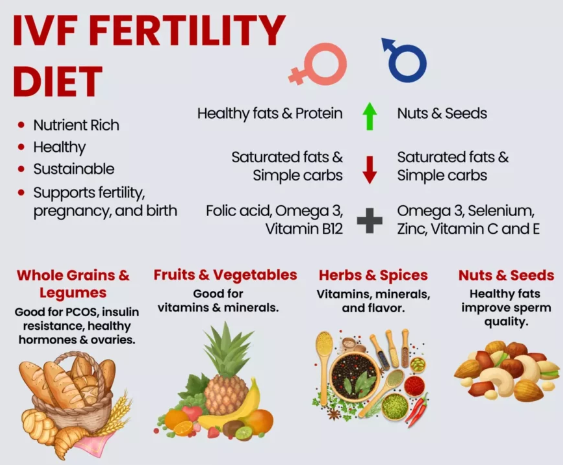
Diet And Nutrition
Your diet plays a pivotal role in preparing your body for IVF. Think of it as fueling your body for a marathon. You wouldn’t run a race without proper nutrition, right?
Here’s a simple guide to get you started:
- Eat a Balanced Diet: Include a variety of fruits, vegetables, whole grains, and lean proteins.
- Hydrate: Drink plenty of water. Staying hydrated is key to overall health.
- Limit Caffeine and Alcohol: Reducing these can improve your chances of success.
- Consider Supplements: Talk to your doctor about prenatal vitamins and other supplements that can support fertility.
Remember, it’s not about drastic changes but consistent, healthy choices. Small steps make a big difference.
Exercise And Lifestyle
Exercise is another important factor. But don’t worry, you don’t have to become a gym enthusiast overnight. Moderation is the key.
Here’s a quick rundown:
- Moderate Exercise: Activities like walking, swimming, or yoga can be beneficial. Aim for at least 30 minutes a day.
- Stress Management: IVF can be stressful. Incorporate relaxation techniques like meditation, deep breathing, or even a hobby you love.
- Sleep Well: Make sure you’re getting enough rest. A good night’s sleep can do wonders for your overall well-being.
Balance is crucial. Listen to your body. If you’re tired, take a break. If you’re feeling good, keep going. It’s all about finding what works for you.
In conclusion, preparing for IVF involves taking care of your body through proper diet, nutrition, and a balanced lifestyle. It’s not about being a certain weight; it’s about being healthy and ready for the journey ahead. And remember, every step you take towards a healthier lifestyle is a step towards a successful IVF journey.
Medical Support
When considering IVF, having the right medical support is crucial. This support ensures a smoother process and increases the chances of success. Below, we will discuss the importance of medical support in terms of consulting specialists and monitoring adjustments.
Consulting Specialists
Consulting specialists is the first step in the IVF journey. Fertility experts will assess your overall health and weight. They provide personalized advice based on your medical history. These consultations help create a tailored plan.
Specialists might suggest lifestyle changes. These changes could improve your chances of a successful IVF cycle. They also offer guidance on nutrition and exercise. This holistic approach addresses any weight concerns.
Monitoring And Adjustments
Monitoring and adjustments are critical during the IVF process. Regular check-ups track your progress and health. Doctors make necessary adjustments to treatment plans based on these check-ups.
Monitoring ensures your body responds well to treatments. It helps identify any issues early. Adjustments can be made to medications or lifestyle recommendations. This ongoing support is vital for a successful outcome.
Emotional Well-being
Undergoing In Vitro Fertilization (IVF) can be an emotional roller coaster. From the initial decision to the waiting period, the journey is filled with various feelings. Sometimes, it’s not just about the physical side of things like weight but also about how you’re feeling inside. Emotional well-being is crucial during this time.
Mental Health Support
It’s important to have a strong support system. Talking to a therapist or counselor can help. They can teach you how to handle stress and negative thoughts. You might also find comfort in joining a support group. Sharing experiences with others who are going through the same thing can make you feel less alone.
- Talk to a therapist
- Join a support group
- Share your feelings with close friends or family
Coping Strategies
Everyone handles stress differently. Finding what works for you is key. Some find peace in meditation or yoga. Others might prefer listening to music or going for a walk. Keeping a journal can also be a good way to let out your feelings. It doesn’t matter what you choose, as long as it helps you feel better.
- Try meditation or yoga
- Listen to calming music
- Take a walk in nature
- Write in a journal
Remember, it’s okay to ask for help and take time for yourself. Your emotional well-being is just as important as your physical health on the IVF journey.
Credit: zivafertility.com

Credit: www.sensiblenutritionsolutions.com
Frequently Asked Questions
Do You Have To Weigh A Certain Amount For Ivf?
No, you don’t have to weigh a certain amount for IVF. However, a healthy weight can improve success rates. Consult your doctor for personalized advice.
What Is The Weight Cut Off For Ivf?
The weight cut-off for IVF is typically a BMI of 30-35. Consult your doctor for specific recommendations and guidelines.
Can I Have Ivf If I Am Overweight?
Yes, you can have IVF if you are overweight. However, being overweight may affect the success rates. Consult your doctor for personalized advice and to discuss potential risks. Maintaining a healthy weight can improve outcomes.
What Weight Is Good For Ivf?
A healthy BMI between 18. 5 and 24. 9 is ideal for IVF success. Maintaining a balanced diet and regular exercise helps. Consult your doctor for personalized advice.
Conclusion
Understanding weight’s role in IVF is crucial. Weight can impact success rates. Consult your doctor. They offer personalized advice. Maintaining a healthy weight helps. It boosts your chances. Remember, every journey is unique. Stay informed and positive. Your doctor knows best.
Follow their guidance. Good luck on your IVF journey.