
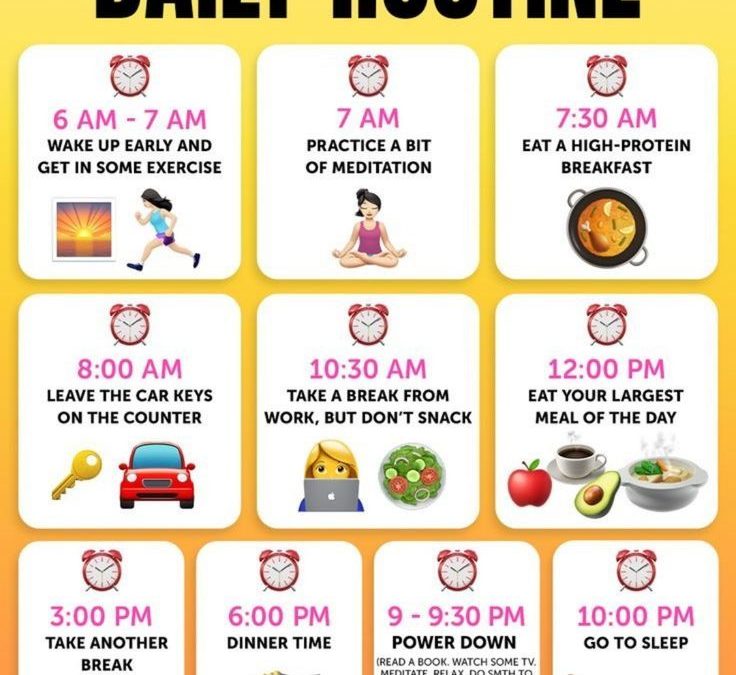
Losing weight can be challenging. An eating schedule can make it easier.
Planning your meals and snacks at specific times each day can help you control cravings, boost your metabolism, and maintain energy levels. This blog post will explore how an eating schedule can assist in your weight loss journey. We will discuss the best times to eat and how to balance your meals.
By following a structured eating plan, you can develop healthier habits and see better results. Ready to take the first step towards a healthier you? Let’s dive into the details of creating an effective eating schedule for weight loss.
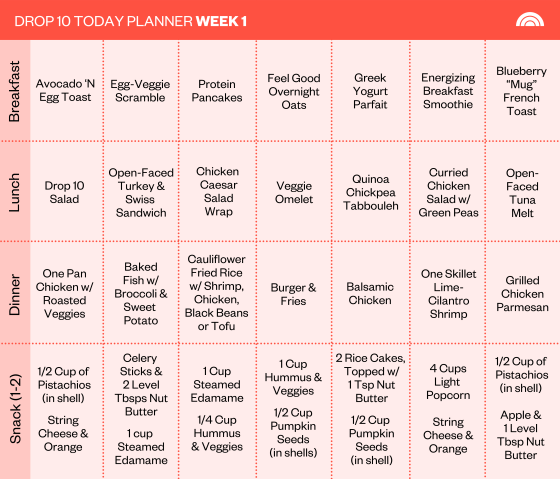
Credit: www.today.com
Importance Of A Regular Eating Schedule
Have you ever wondered why some people seem to easily maintain a healthy weight while others struggle? One key factor could be their eating schedule. A regular eating schedule means eating meals at the same times each day. This simple habit can have a significant impact on your weight loss journey. Let’s dive into why consistency matters and how it affects your metabolism.
Benefits Of Consistency
Consistency in your eating schedule provides numerous benefits. Here are a few:
- Stabilizes Blood Sugar Levels: Regular meals help to keep your blood sugar levels steady, preventing those pesky sugar crashes that make you crave unhealthy snacks.
- Reduces Overeating: When you eat at regular times, you’re less likely to feel extremely hungry. This helps prevent overeating and the temptation to reach for high-calorie foods.
- Improves Digestion: Your digestive system thrives on routine. Eating at the same times daily can improve digestion and nutrient absorption.
For instance, imagine you eat breakfast at 8 AM, lunch at 1 PM, and dinner at 7 PM. Your body gets used to this routine, and you’ll likely find that you’re not as hungry in between meals.
Impact On Metabolism
Let’s talk about metabolism. Think of it as your body’s engine, burning fuel to keep you going. A regular eating schedule can have a positive impact on your metabolism:
- Boosts Metabolic Rate: Eating at regular intervals can keep your metabolism active throughout the day. This means your body is constantly burning calories.
- Prevents Starvation Mode: Skipping meals or irregular eating can trick your body into thinking it’s starving. This slows down your metabolism to conserve energy.
- Supports Muscle Maintenance: Regular meals, especially those with protein, help maintain muscle mass. Muscle burns more calories than fat, even at rest.
Imagine this: if your body knows it will get food at certain times, it won’t feel the need to store extra fat for ’emergencies’. This is why consistency is key for a healthy metabolism.
In conclusion, a regular eating schedule can be a game-changer in your weight loss journey. It stabilizes blood sugar, reduces overeating, and keeps your metabolism humming. So, next time you think about skipping a meal or eating at odd hours, remember the benefits of sticking to a routine. Your body will thank you!

Credit: www.pinterest.com
Creating A Balanced Meal Plan
Are you trying to lose weight and need some guidance on how to plan your meals? Creating a balanced meal plan is essential. It’s not just about cutting calories; it’s about nourishing your body with the right foods. This guide will help you understand how to balance your meals, making it easier for you to stick to your weight loss goals. Let’s dive in!
Macronutrient Breakdown
Understanding macronutrients—carbohydrates, proteins, and fats—is key to creating a balanced meal plan. Each of these plays a crucial role in your body:
- Carbohydrates: Provide energy. Choose complex carbs like whole grains, vegetables, and fruits.
- Proteins: Build and repair tissues. Include lean meats, fish, beans, and legumes.
- Fats: Support cell growth. Opt for healthy fats from avocados, nuts, and olive oil.
Here’s a simple macronutrient table for a balanced diet:
| Macronutrient | Daily Intake (%) |
|---|---|
| Carbohydrates | 45-65% |
| Proteins | 10-35% |
| Fats | 20-35% |
Incorporating Whole Foods
Whole foods are your best friend when it comes to weight loss. They are unprocessed and packed with nutrients. Here are some tips to help you incorporate more whole foods into your diet:
- Fruits and Vegetables: Fill half your plate with these colorful wonders. They are low in calories and high in vitamins.
- Whole Grains: Swap white bread for whole grain alternatives. Think quinoa, brown rice, and oats.
- Lean Proteins: Choose chicken, turkey, tofu, and fish. They are lower in fat and high in protein.
- Healthy Fats: Include a handful of nuts, seeds, or a slice of avocado in your meals.
Pro Tip: Read food labels! Aim for items with fewer ingredients. If you can’t pronounce it, it’s probably best to avoid it.
Creating a balanced meal plan doesn’t have to be complicated. With these simple steps, you can eat well and lose weight. Remember, consistency is key. Happy eating!
Timing Your Meals
When it comes to losing weight, the timing of your meals can be just as important as what you eat. Finding the right schedule can help you manage hunger, increase energy, and even boost metabolism. Let’s dive into the best strategies for timing your meals to maximize your weight loss efforts.
Optimal Meal Frequency
How often should you eat? This is a common question for anyone trying to shed some pounds. While there’s no one-size-fits-all answer, research suggests that eating smaller, more frequent meals can be beneficial. For example, instead of three large meals, try having five or six smaller ones throughout the day. This approach can help control hunger and prevent overeating.
Think of your body as a car that needs fuel. Just as you wouldn’t let your car run out of gas, don’t let yourself get too hungry. Eating more frequently helps keep your energy levels steady and can prevent the temptation of unhealthy snacks.
Best Times To Eat
Timing is everything, right? Here are some tips on when to eat your meals:
- Breakfast: Start your day with a nutritious meal within an hour of waking up. This can jumpstart your metabolism and provide the energy you need.
- Mid-Morning Snack: A small snack, like a piece of fruit or a handful of nuts, can keep you going until lunch. This prevents the mid-morning slump and keeps you focused.
- Lunch: Aim to have lunch around midday. This should be a balanced meal with protein, carbs, and healthy fats to keep you satisfied.
- Afternoon Snack: Another small snack in the afternoon can help you avoid the 3 PM crash. Try a yogurt or some veggie sticks with hummus.
- Dinner: Have dinner at least three hours before bedtime. This gives your body time to digest and can help you sleep better.
By spacing out your meals, you can manage hunger and energy levels more effectively. Plus, it can prevent those late-night cravings that often derail our diet plans.
Remember, everyone’s body is different. It might take some time to find the perfect eating schedule that works for you. Don’t be afraid to experiment and adjust as needed. After all, the journey to weight loss is personal, and finding your rhythm can make all the difference.
Intermittent Fasting Strategies
Intermittent fasting has become a popular strategy for weight loss. By alternating periods of eating and fasting, you can manage your calorie intake. This method suits many as it does not require specific food restrictions. Instead, it focuses on timing your meals.
Popular Fasting Methods
There are several methods to choose from. Each method has its own schedule and benefits. Here are some of the most popular ones:
16/8 Method: This involves 16 hours of fasting and an 8-hour eating window. For example, you might eat between noon and 8 PM.
5:2 Diet: Eat normally for five days a week. On the other two days, limit your intake to 500–600 calories.
Eat-Stop-Eat: Fast for 24 hours once or twice a week. For instance, eat dinner one day and then not again until dinner the next day.
Health Benefits
Intermittent fasting offers more than just weight loss. It can have several health benefits:
Improved Metabolism: Fasting can boost your metabolic rate, aiding weight loss. It helps your body burn calories more efficiently.
Better Blood Sugar Control: This method can reduce insulin resistance. Lower insulin levels can lower the risk of type 2 diabetes.
Enhanced Brain Function: Fasting may improve brain health. It supports the growth of new neurons and can protect the brain from damage.
Reduced Inflammation: Fasting can lower markers of inflammation. This can reduce the risk of chronic diseases.
Managing Portion Sizes
Managing portion sizes is a crucial aspect of any weight loss journey. When you control how much you eat, you can avoid overeating and ensure you are consuming the right amount of calories for your body. It’s not just about what you eat, but also how much you eat. Let’s dive into some practical tips for managing portion sizes, including visual portion guides and mindful eating techniques.
Visual Portion Guides
Using visual aids can be incredibly helpful for understanding portion sizes. For instance, did you know that a serving of meat should be about the size of a deck of cards? Here are some quick visual guides to help you manage your portions:
- Meat: Size of a deck of cards.
- Fish: Size of a checkbook.
- Pasta: Size of a tennis ball.
- Cheese: Size of four dice.
These comparisons can make it easier to control your portions without having to measure everything out. Plus, they can be a fun way to remember how much you should be eating. Who knew your dinner could be compared to a deck of cards?
Mindful Eating Techniques
Mindful eating is all about paying attention to your food and the experience of eating. It’s about being present and truly enjoying each bite. Here are some tips to practice mindful eating:
- Slow down: Chew your food slowly and savor the flavors.
- Listen to your body: Eat when you are hungry and stop when you are full.
- Eliminate distractions: Turn off the TV, put away your phone, and focus on your meal.
- Portion out your food: Serve yourself a portion and avoid eating straight from the package.
By eating mindfully, you can better recognize your body’s hunger and fullness signals, which can help prevent overeating. Trust me, once you start eating mindfully, you’ll appreciate your food so much more. Plus, it might even make your meals more enjoyable!
Managing portion sizes doesn’t have to be complicated. With a few visual guides and some mindful eating techniques, you can take control of your eating habits and support your weight loss goals. Remember, it’s not just what you eat, but also how much and how you eat it.
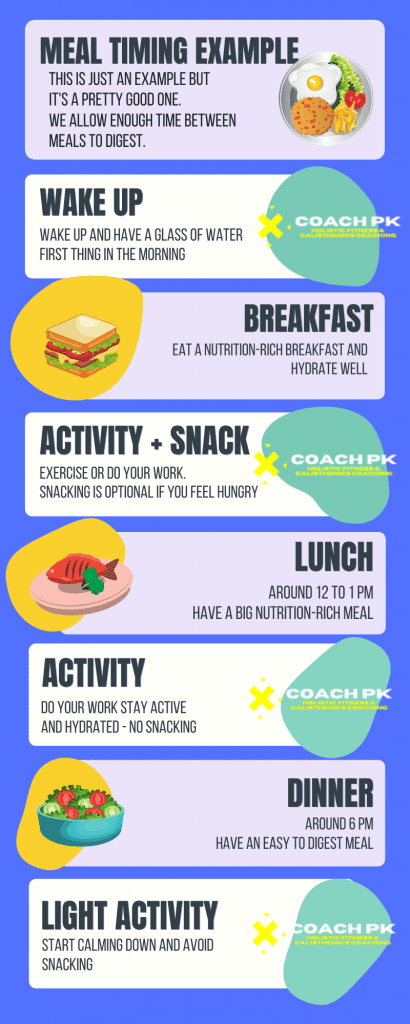
Credit: www.pk.coach
Snack Smart
Snacking can be a great way to keep your energy up. It can also help you manage your hunger. This can be very helpful when trying to lose weight. But it’s important to snack smart. This means choosing snacks that are healthy and avoiding empty calories. Let’s explore how you can do this.
Healthy Snack Options
Healthy snacks can support your weight loss goals. Fresh fruits like apples and berries are great choices. They are low in calories and high in fiber. Vegetables like carrots and celery sticks are also good. Pair them with a small amount of hummus or yogurt. Nuts and seeds are rich in protein and healthy fats. But eat them in small amounts. Hard-boiled eggs can be a good source of protein too. They are easy to prepare and very filling.
Avoiding Empty Calories
Avoid snacks that offer little nutrition. These are known as empty calories. Sugary drinks and sweets are common culprits. They can add many calories without filling you up. Chips and fried snacks can also be high in empty calories. They often contain unhealthy fats and too much salt. Choose whole foods instead. This helps you stay full longer and supports your weight loss. Read nutrition labels to make smart choices. Look for snacks with fiber, protein, and healthy fats.
Hydration And Weight Loss
Hydration plays a vital role in weight loss. Drinking enough water helps your body function better. It aids digestion, boosts metabolism, and helps curb hunger. Staying hydrated is essential for those aiming to shed pounds. Learn how water can be your ally in the weight loss journey.
Importance Of Water
Water is essential for overall health. It supports digestion and nutrient absorption. When you drink enough water, your body can efficiently burn fat. Staying hydrated helps maintain muscle tone and aids in recovery after exercise. Dehydration can lead to fatigue, affecting your workout performance.
Drinking water before meals can help you eat less. It fills your stomach, reducing hunger. Often, thirst is mistaken for hunger. Drinking water can prevent unnecessary snacking. Aim for at least eight glasses of water daily.
Hydration Tips
Carry a water bottle with you. It reminds you to drink throughout the day. Set reminders on your phone to take sips regularly. Drink a glass of water before every meal. This can help with portion control.
Infuse water with fruits or herbs. This makes it more enjoyable. Try adding lemon, mint, or cucumber. Herbal teas also count towards your daily water intake. Avoid sugary drinks. They add extra calories without providing hydration.
Monitor your urine color. Pale yellow indicates proper hydration. Dark yellow suggests you need more water. Listen to your body. If you feel thirsty, drink water immediately.
Adapting To Individual Needs
Adapting your eating schedule to your individual needs is key to successful weight loss. Every person is unique, so a one-size-fits-all approach won’t work. Understanding your body’s signals and customizing your eating routine can lead to better results.
Listening To Your Body
Your body sends signals when it needs fuel. These signals often come as hunger pangs or low energy. Pay attention to these cues and eat when necessary. Ignoring hunger can lead to overeating later. It’s essential to eat when your body needs energy, not just based on the clock.
Also, notice how different foods make you feel. Some meals might leave you feeling sluggish, while others provide sustained energy. Opt for foods that make you feel good and keep you energized throughout the day.
Customizing Your Schedule
Create an eating schedule that fits your daily routine. If you have a busy morning, a hearty breakfast can help. If you prefer lighter meals, you might spread your calories throughout the day.
Experiment with meal times and portions. Find what works best for you. Some people thrive on three meals a day, while others do better with smaller, frequent meals. There’s no right or wrong way.
Consider your lifestyle and preferences. Tailor your eating schedule to support your goals and make weight loss manageable.
Frequently Asked Questions
What Eating Schedule Is Best For Weight Loss?
Eat small, balanced meals every 3-4 hours. Include lean proteins, vegetables, and whole grains. Avoid late-night eating. Drink plenty of water.
What Is The 30/30/30 Rule For Weight Loss?
The 30/30/30 rule for weight loss involves eating 30 grams of protein, 30 minutes of daily exercise, and maintaining a calorie deficit of 30%. This approach aims to boost metabolism, build muscle, and burn fat efficiently.
How To Lose 20 Pounds In A Month?
To lose 20 pounds in a month, focus on a balanced diet and regular exercise. Eat lean proteins, vegetables, and whole grains. Avoid sugar and processed foods. Drink plenty of water. Exercise daily with a mix of cardio and strength training.
Consult a doctor before starting any weight loss plan.
What Is The Best Daily Routine For Weight Loss?
Start your day with a healthy breakfast. Exercise for at least 30 minutes daily. Drink plenty of water. Eat balanced meals with vegetables, lean proteins, and whole grains. Avoid sugary snacks and drinks. Get at least 7-8 hours of sleep each night.
Stay consistent and monitor your progress.
Conclusion
Creating an eating schedule helps you lose weight effectively. Stick to regular meal times. Don’t skip breakfast. Choose healthy snacks. Drink water throughout the day. Limit sugary drinks and junk food. Listen to your body’s hunger cues. Stay consistent with your meal plan.
Track your progress and adjust as needed. Remember, small changes lead to big results. Stay patient and committed for lasting success.