
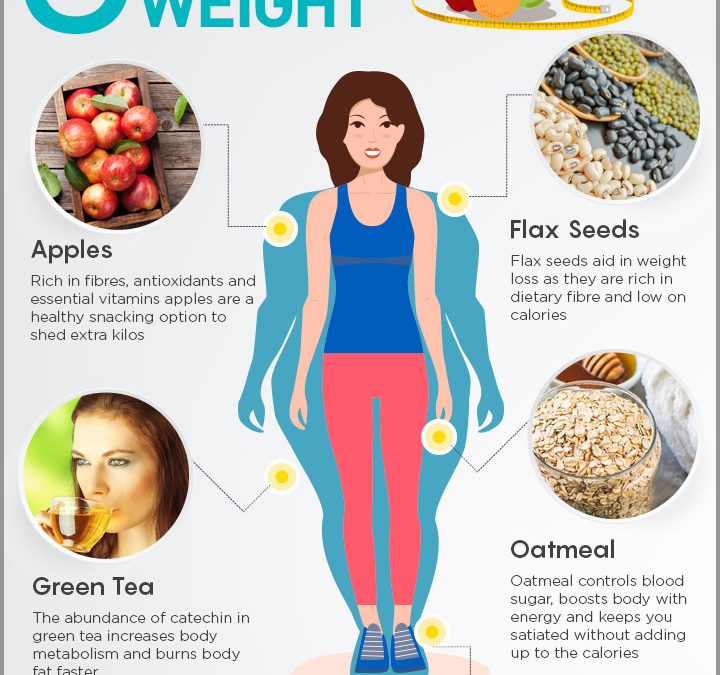
Losing weight can be challenging. Finding the right plan makes it easier.
Many weight loss plans promise quick results. But not all are effective or healthy. The best weight loss plans offer balanced nutrition, regular exercise, and lasting habits. They focus on long-term success rather than quick fixes. In this guide, we explore various weight loss plans that have shown proven results.
Each plan suits different lifestyles and preferences. Our aim is to help you choose a plan that fits your needs, goals, and health. Whether you’re starting your journey or looking to improve your current plan, this guide provides valuable insights. Let’s discover the best weight loss plans to help you achieve your goals.
Introduction To Weight Loss Plans
Choosing the right weight loss plan can be overwhelming. There are many options available, each promising different results. It’s important to understand what makes each plan unique. This way, you can choose the best one for your needs. Let’s dive into the basics of weight loss plans.
Importance Of Choosing The Right Plan
Not all weight loss plans work for everyone. People have different bodies and lifestyles. A plan that works for one person might not work for another. It’s important to find a plan that fits your routine and preferences. Doing so increases your chances of success.
Consider your dietary needs and exercise habits. Think about your daily schedule and stress levels. Choose a plan that you can stick with in the long term. This will help you achieve lasting results.
Setting Realistic Goals
Setting realistic goals is crucial for any weight loss plan. Many people set goals that are too ambitious. This can lead to disappointment and frustration. Start with small, achievable goals. Celebrate each milestone, no matter how small.
Remember, weight loss is a journey, not a race. Aim to lose one to two pounds per week. This is a healthy and sustainable rate. Stay patient and persistent. Consistency is key to achieving your weight loss goals.
Popular Diet Plans
Are you trying to shed those extra pounds? You’re not alone. Many people are on the hunt for the best weight loss plan. But with so many options out there, it can get confusing. Let’s break down some of the most popular diet plans that people swear by. These diets have unique benefits and could be just what you need to kickstart your journey to a healthier you.
Keto Diet
The Keto Diet is all about low carbs and high fats. Yes, you heard that right. The idea is to get your body into a state called ketosis. When in ketosis, your body burns fat instead of carbs for energy.
Here’s a simple breakdown:
- Low Carbs (5-10%)
- Moderate Protein (20-30%)
- High Fat (60-75%)
Many people love the Keto Diet because it can lead to quick weight loss. Plus, who doesn’t like the idea of eating more cheese and bacon?
Paleo Diet
The Paleo Diet is also known as the “Caveman Diet.” Why? Because it focuses on foods that our ancestors might have eaten. Think natural and unprocessed.
Some key foods in the Paleo Diet include:
- Meat
- Fish
- Fruits
- Vegetables
- Nuts and seeds
No grains, no dairy, and no processed foods. It’s all about eating clean and staying away from anything artificial. Many find it easy to follow because it simplifies food choices. Plus, it can be pretty tasty.
Mediterranean Diet
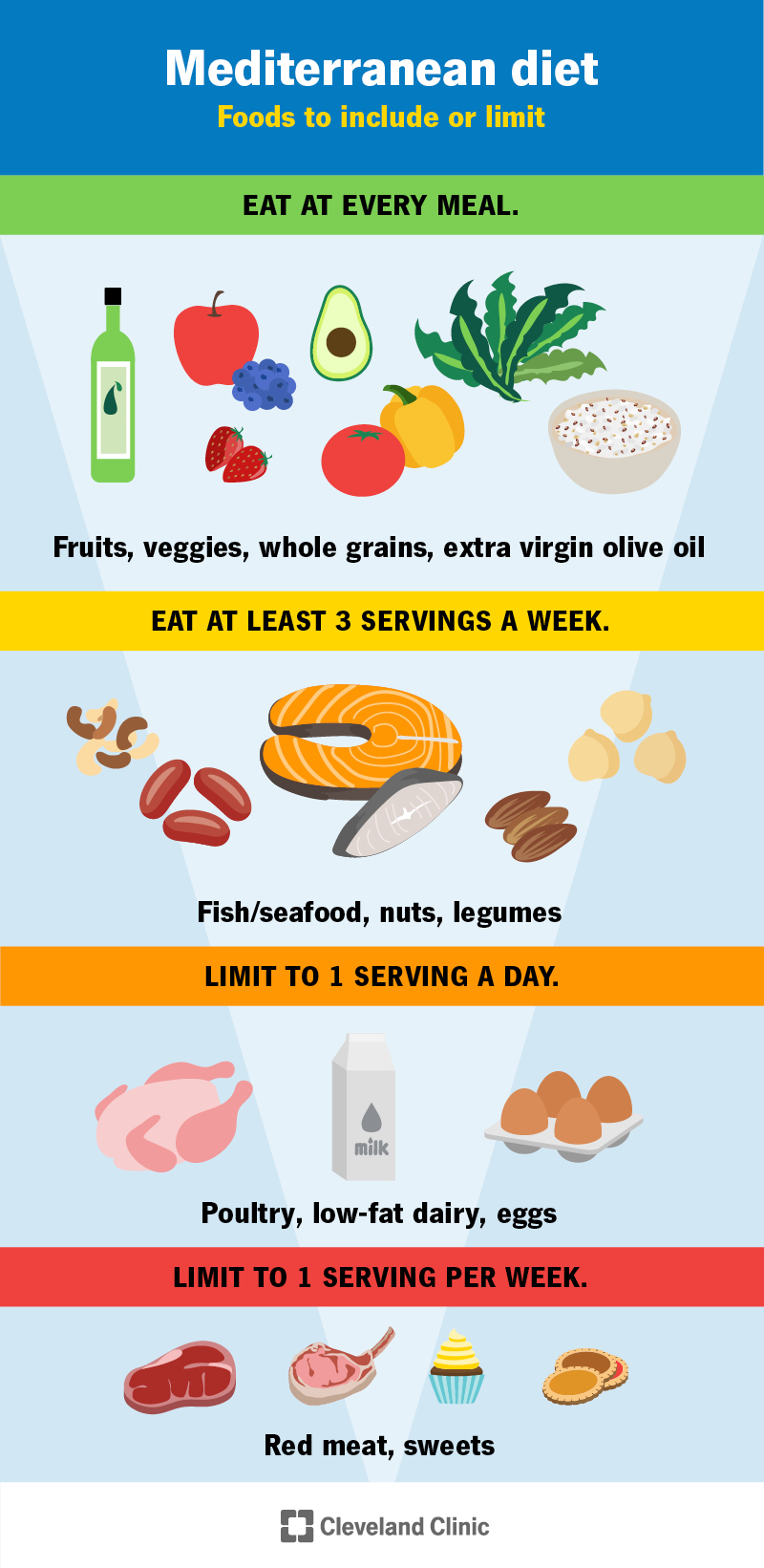
The Mediterranean Diet is inspired by the eating habits of people living in countries like Greece and Italy. It’s rich in fruits, vegetables, whole grains, and healthy fats.
Key components of the Mediterranean Diet include:
- Olive oil
- Fish and seafood
- Whole grains
- Fresh fruits and veggies
- Nuts and seeds
One of the best things about this diet is that it’s heart-healthy. It can help lower your risk of heart disease and improve overall wellness. Plus, it’s flexible and delicious. Who wouldn’t want to enjoy a glass of red wine with their meal?
Choosing the right diet plan depends on your lifestyle and preferences. Each of these popular diets has its unique benefits. So, whether you’re looking for quick weight loss, natural eating, or heart health, there’s something out there for you. Remember, the best diet is the one you can stick to. Happy dieting!
Exercise And Fitness Regimens
When it comes to shedding those extra pounds, diet alone won’t cut it. Exercise and fitness regimens play a crucial role in effective weight loss plans. They help burn calories, build muscle, and improve overall health. Let’s dive into three key components of exercise that are essential for weight loss: Cardio Workouts, Strength Training, and Flexibility Exercises.
Cardio Workouts
Cardio, short for cardiovascular exercise, gets your heart pumping and burns calories quickly. These workouts are fantastic for weight loss because they use large muscle groups and can be easily adjusted to fit different fitness levels. Here are some popular cardio exercises:
- Walking: Simple yet effective, walking can be done anywhere and is gentle on your joints.
- Running: A step up from walking, running burns more calories and improves cardiovascular health.
- Cycling: Whether on a stationary bike or outdoors, cycling is a fun way to get your heart rate up.
- Swimming: A full-body workout that’s easy on the joints and great for building endurance.
Try to incorporate at least 150 minutes of moderate cardio or 75 minutes of vigorous cardio into your weekly routine. Trust me, your heart (and waistline) will thank you!
Strength Training
Now, let’s talk about strength training. This type of exercise builds muscle, which in turn boosts metabolism. More muscle means you burn more calories, even at rest. Some effective strength training exercises include:
- Bodyweight Exercises: Push-ups, squats, and lunges require no equipment and can be done anywhere.
- Free Weights: Dumbbells and kettlebells are great for adding resistance and increasing intensity.
- Resistance Bands: These are portable and versatile, perfect for at-home workouts.
- Weight Machines: Found at gyms, these provide support and help you focus on specific muscle groups.
For best results, aim to do strength training exercises at least two days a week. Don’t worry about bulking up; instead, focus on getting stronger and leaner.
Flexibility Exercises
Last but not least, flexibility exercises are often overlooked but are just as important. They help improve range of motion, reduce the risk of injury, and decrease muscle soreness. Here are some excellent options:
- Yoga: A blend of stretching and relaxation, yoga improves flexibility and mental well-being.
- Static Stretching: Holding stretches for 15-30 seconds helps elongate muscles and improve flexibility.
- Dynamic Stretching: Involves moving parts of your body and gradually increasing reach and speed.
Incorporate flexibility exercises into your routine at least three times a week. Think of it as giving your muscles a much-needed sigh of relief.
Combining cardio workouts, strength training, and flexibility exercises creates a well-rounded fitness regimen that supports weight loss and overall health. Remember, the best workout is the one you enjoy and can stick to. So, lace up those sneakers, grab those weights, and don’t forget to stretch – your body will thank you!
Credit: www.today.com
Tracking Progress
Embarking on a weight loss journey is a commendable step towards a healthier you. However, it’s not just about cutting calories and hitting the gym. An essential part of any weight loss plan is tracking progress. This helps you stay motivated, identify what’s working, and make necessary adjustments. So, how do we keep tabs on our journey to a fitter self? Let’s dive into two effective methods: using fitness apps and keeping a food diary.
Using Fitness Apps
Fitness apps are like personal trainers in your pocket. They are easy to use and packed with features to help you stay on track. Ever wondered how many steps you take daily or how much water you drink? These apps can track that and more.
- Step Tracking: Apps like Fitbit or Google Fit count your steps, encouraging you to move more.
- Calorie Counting: MyFitnessPal and Lose It! allow you to log meals and track calories effortlessly.
- Workout Routines: Apps such as JEFIT offer personalized exercise plans, ensuring you’re not just guessing at the gym.
Remember the time when you walked an extra mile just because your app nudged you? Or when you chose a salad over a burger to stay within your calorie goal? That’s the power of fitness apps! They keep you accountable and make tracking progress almost fun.
Keeping A Food Diary
Writing down what you eat might sound tedious, but it’s incredibly effective. A food diary is a simple, old-school method that helps you see the big picture of your eating habits.
Here’s how you can start:
- Choose a Format: Whether it’s a notebook, a dedicated app, or a spreadsheet, pick what’s convenient for you.
- Record Everything: Note down every meal, snack, and even drinks. Be honest and detailed.
- Review Regularly: Look back at your entries to spot patterns. Are you snacking more at night? Do weekends derail your diet?
A friend once shared how her food diary revealed she was consuming more sugary drinks than she thought. She swapped them for water, and the pounds started to drop. Keeping a food diary provides insights that might surprise you and steer you towards healthier choices.
Tracking progress through these methods doesn’t just keep you in check; it turns your weight loss plan into a manageable, achievable goal. So, why not give it a shot? Your future, fitter self will thank you!
Healthy Eating Habits
Developing healthy eating habits is vital for successful weight loss. These habits help control your calorie intake without feeling deprived. They also ensure you get the necessary nutrients. Let’s explore some practical strategies.
Meal Planning
Meal planning helps you make better food choices. It reduces the temptation to eat unhealthy food. Start by planning your meals for the week. Include a variety of foods in your plan. This ensures you get all the nutrients you need. Prepare your meals in advance. This saves time and keeps you from reaching for junk food.
Smart Snacking
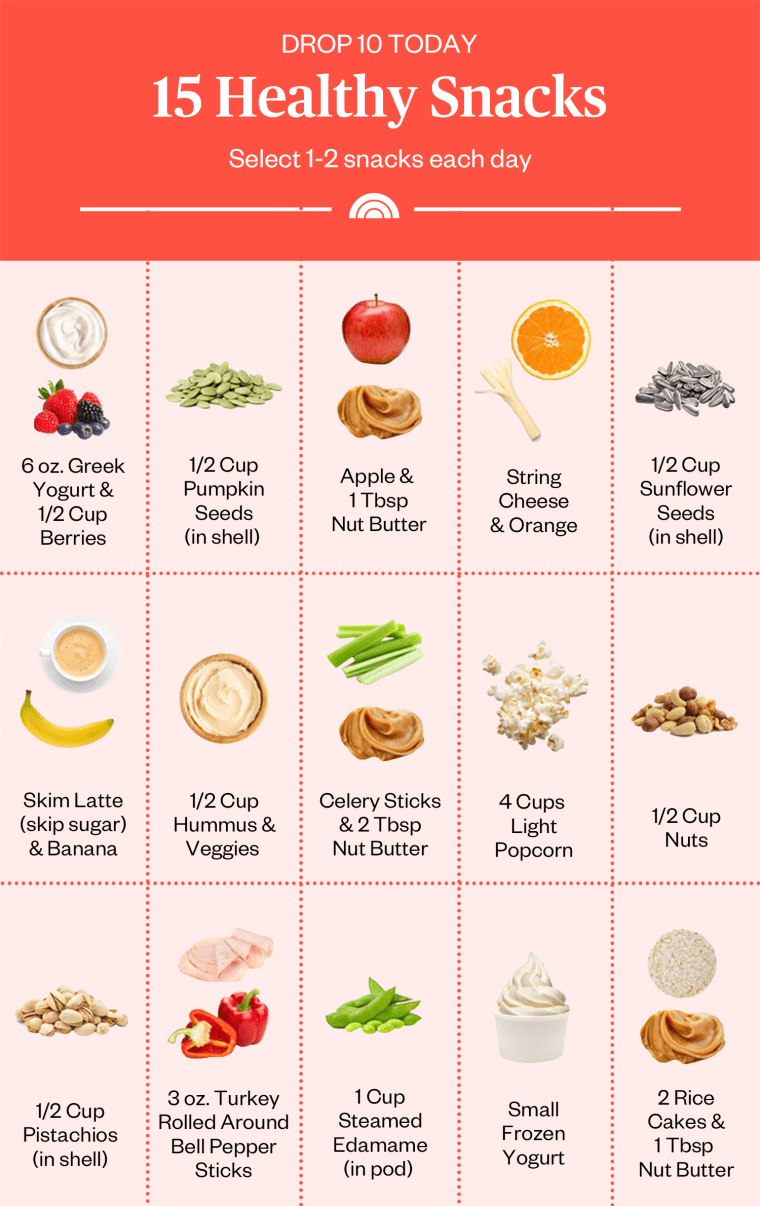
Snacking doesn’t have to be unhealthy. Choose snacks that are high in fiber and protein. These snacks keep you full longer. Avoid sugary snacks that cause energy crashes. Opt for fruits, nuts, or yogurt instead. Keep healthy snacks within reach. This makes it easier to make good choices when hunger strikes.
Staying Motivated
Staying motivated during a weight loss journey can be challenging. Motivation can fluctuate. It is normal. But, there are ways to keep it steady. Here, we focus on key strategies to help you stay on track.
Finding A Support System
Having a support system is crucial. Friends and family can provide encouragement. They can also hold you accountable. Joining a group with similar goals can help too. Sharing experiences with others makes the journey less lonely.
Online forums and social media groups are great resources. They offer advice and motivation. You can also find local support groups. Many communities have them. They offer a place to share challenges and successes.
Rewarding Milestones
Celebrate small victories. Rewarding milestones keeps you motivated. It gives a sense of accomplishment. Rewards do not need to be big. A small treat or a new book can be enough.
Set realistic goals. Break big goals into smaller, achievable ones. Each milestone reached is a step closer to your ultimate goal. Remember to choose rewards that do not involve food. This helps to avoid old habits.
Overcoming Plateaus
Hitting a plateau during your weight loss journey can be incredibly frustrating. You are doing everything right, but the scale just won’t budge. Don’t worry, you’re not alone. Many people experience this. The good news is that there are several strategies to get past this hurdle and back on track with your weight loss goals.
Adjusting Your Diet
Sometimes, all it takes is a slight tweak to your diet to start losing weight again. Here are a few tips:
- Reduce Carbs: Cutting back on carbohydrates can help kickstart your weight loss again. Try reducing bread, pasta, and sugary foods.
- Increase Protein: Eating more protein can boost your metabolism. Add more chicken, fish, or legumes to your meals.
- Watch Your Portions: It’s easy to eat more than you need. Try using smaller plates or measuring your portions.
Changing Up Your Exercise Routine
Your body adapts to your exercise routine, making it less effective over time. To overcome a plateau, it’s important to change things up:
- Try New Activities: If you usually run, try swimming or cycling. New activities can challenge your body in different ways.
- Increase Intensity: Add some high-intensity intervals to your workouts. For example, run faster for 30 seconds, then walk for 1 minute. Repeat several times.
- Strength Training: Building muscle helps burn more calories. Include weightlifting or resistance bands in your routine.
Remember, patience is key. Plateaus are a normal part of the weight loss journey. By adjusting your diet and changing up your exercise routine, you can overcome this obstacle and continue making progress. Keep going, you’ve got this!
Credit: my.clevelandclinic.org
Long-term Maintenance
Long-term weight loss success often depends on maintaining the results. Many people struggle to keep the weight off after shedding those extra pounds. This section discusses how to maintain your weight loss over time.
Sustainable Habits
Adopting sustainable habits is key to long-term maintenance. Focus on making small, manageable changes. For example, replace sugary drinks with water. Choose whole foods over processed ones. These habits are easier to stick with over time.
Exercise regularly but don’t overdo it. Aim for at least 30 minutes of moderate activity daily. Walking, cycling, or even dancing can help. Make it fun and enjoyable. This ensures consistency.
Avoiding Common Pitfalls
Many people regain weight due to common pitfalls. One major pitfall is returning to old eating habits. Avoid this by planning your meals and snacks. Keep healthy options available at all times.
Another pitfall is neglecting physical activity. Life gets busy, but staying active is crucial. Schedule your workouts like appointments. This helps you stick to your routine.
Stress and lack of sleep can also hinder maintenance. Practice stress-relief techniques like deep breathing. Ensure you get 7-8 hours of sleep each night. Both are vital for overall health and weight management.

Credit: www.pinterest.com
Frequently Asked Questions
What Is The Highest Rated Weight Loss Program?
The highest rated weight loss program is Weight Watchers. It offers flexible plans, community support, and focuses on long-term sustainability.
How Can I Lose 20 Pounds In A Month?
To lose 20 pounds in a month, eat a balanced diet with fewer calories. Exercise daily, combining cardio and strength training. Stay hydrated and get enough sleep. Avoid processed foods and sugary drinks. Consult a doctor before starting any weight loss plan.
What Is The Most Successful Weight Loss Diet Plan?
The most successful weight loss diet plan varies per individual. Popular options include the Mediterranean diet, low-carb diets, and intermittent fasting. Consult a healthcare provider to find the best plan for you.
What Is The Most Effective To Lose Weight?
The most effective way to lose weight is through a combination of a balanced diet and regular exercise. Focus on whole foods, control portion sizes, and stay hydrated. Incorporate both cardio and strength training exercises. Consistency and patience are key for sustainable weight loss.
Conclusion
Choosing the right weight loss plan matters. Your health is important. Different plans work for different people. Find one that fits you. Make sure it’s healthy and sustainable. Don’t rush the process. Slow and steady wins the race. Keep your goals realistic.
Stay committed and patient. Small changes can lead to big results. Seek support from friends or family. They can help you stay motivated. Remember, consistency is key. Stay positive and believe in yourself. Your journey to a healthier you starts now.