
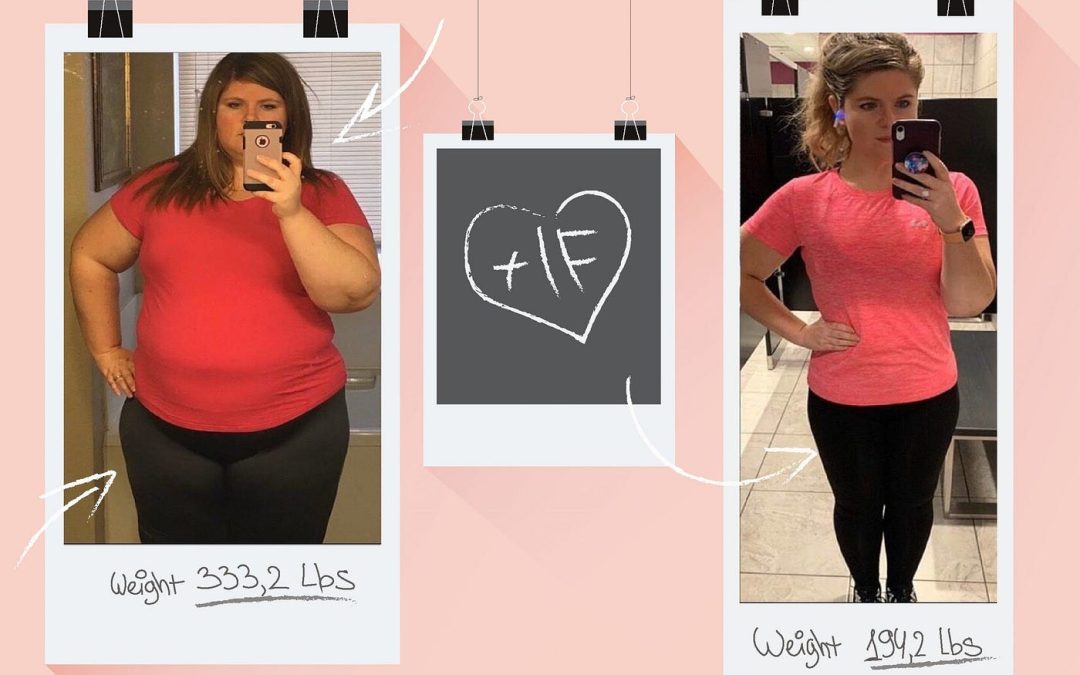
Yes, you can lose weight when you fast. Fasting can help reduce calorie intake, leading to weight loss.
But it depends on how you fast and what you eat when you are not fasting. Fasting has become popular for weight loss. Many people believe it is an effective method. But it is important to understand how fasting works.
Fasting means not eating for a certain period. During this time, your body uses stored fat for energy. This can lead to weight loss. Yet, the results can vary from person to person. It also depends on the type of fasting you choose. In this blog, we will explore the science behind fasting and its effects on weight loss. Let’s dive in and see if fasting is right for you.
Introduction To Fasting
Fasting has become a popular topic in the world of health and fitness. Many people talk about its potential benefits, from weight loss to improved mental clarity. But what exactly is fasting, and how can it help you lose weight? In this blog post, we will explore the concept of fasting, its different types, and how it might help you shed those extra pounds.
What Is Fasting?
Fasting is the practice of abstaining from food and sometimes drink for a specific period. It’s a common practice in many cultures and religions, often for spiritual reasons. However, in recent years, fasting has gained attention for its health benefits, particularly for weight loss. When you fast, your body uses up stored fat for energy, which can help you lose weight.
Types Of Fasting
There are several types of fasting, each with its own unique approach. Here are some of the most popular types:
- Intermittent Fasting (IF): This involves alternating periods of eating and fasting. Common patterns include the 16/8 method (16 hours fasting, 8 hours eating) and the 5:2 method (eat normally for 5 days, restrict calories for 2 days).
- Water Fasting: This is a period where you consume only water. It can last from 24 hours to several days. It’s more intense and should be approached with caution.
- Alternate-Day Fasting: You fast every other day, eating normally on non-fasting days.
- Extended Fasting: This involves fasting for more than 24 hours, sometimes up to several days. It’s usually done under medical supervision.
Each type of fasting has its own benefits and challenges. It’s important to find the one that suits your lifestyle and health needs. Remember, before starting any fasting regimen, it’s a good idea to consult with a healthcare professional.
Fasting And Weight Loss
Have you ever wondered if fasting could help you shed those extra pounds? Well, you’re not alone. Fasting has become a hot topic in the world of weight loss. People from all walks of life are curious about this age-old practice. But does it really work? Let’s dive into the science behind fasting and weight loss. We’ll look at how it can create a caloric deficit and what happens to your metabolism when you fast.
Caloric Deficit
First things first, losing weight boils down to one simple concept: caloric deficit. This means you need to burn more calories than you consume. When you fast, you naturally eat less because you have a smaller eating window. This can make it easier to create that deficit.
Think about it. If you skip breakfast and lunch, you’re likely to eat fewer calories during dinner. That’s fewer calories to burn off. Over time, this can lead to weight loss. Here’s a simple table to illustrate:
| Meal | Calories |
|---|---|
| Breakfast | 500 |
| Lunch | 600 |
| Dinner | 800 |
If you skip breakfast and lunch, that’s 1,100 calories saved! But remember, it’s not just about skipping meals. It’s about making healthier choices when you do eat.
Metabolic Changes
Now, let’s talk about your metabolism. You might think that fasting would slow it down, but that’s not necessarily true. In fact, short-term fasting can boost your metabolism. How? When you fast, your body releases norepinephrine, a hormone that helps break down fat.
This process, known as lipolysis, can give your metabolism a slight boost. Think of it like a car engine. When you press the gas pedal, the engine revs up. Fasting can have a similar effect on your metabolism.
- Increased norepinephrine levels
- Enhanced fat burning
- Potential for more energy
But there’s a catch. If you fast for too long, your body may go into “starvation mode,” slowing down your metabolism to save energy. So, it’s all about balance.
In conclusion, fasting can be an effective tool for weight loss. It helps create a caloric deficit and can positively impact your metabolism. However, it’s important to find a fasting schedule that works for you and to make healthy food choices. And remember, always consult with a healthcare provider before starting any new diet plan. Happy fasting!
Health Benefits Of Fasting
Fasting has been practiced for centuries for various reasons, including religious, spiritual, and health purposes. Recently, fasting has gained popularity for its potential health benefits, including weight loss. While shedding pounds is a key motivator for many, fasting can also offer a range of other health perks. Let’s dive into some of the remarkable health benefits of fasting.
Improved Insulin Sensitivity
One of the standout benefits of fasting is its ability to improve insulin sensitivity. When you fast, your body has a chance to reset and use insulin more effectively. This is crucial because insulin is the hormone responsible for regulating blood sugar levels. Improved insulin sensitivity means your cells respond better to insulin, which helps keep your blood sugar levels stable.
Why is this important? Well, better insulin sensitivity can reduce the risk of developing type 2 diabetes. It can also help those who already have diabetes manage their condition more effectively. In simpler terms, fasting can help your body handle sugar better, which is a win-win for your health.
Cellular Repair
Fasting isn’t just about what you don’t eat; it’s also about what happens inside your body during those periods without food. One fascinating process that kicks into high gear during fasting is cellular repair. This is when your body starts cleaning up and getting rid of damaged cells and toxins. It’s like spring cleaning for your body!
During fasting, a process called autophagy occurs. Autophagy is your body’s way of recycling old and damaged cells to create new, healthy ones. This can help reduce inflammation and protect against diseases like cancer and Alzheimer’s. Think of it as your body’s way of taking out the trash and making room for new, healthy cells.
In conclusion, fasting can do much more than just help you lose weight. It can boost your insulin sensitivity, making it easier for your body to manage blood sugar levels, and promote cellular repair, helping your body stay healthy. So, next time you consider fasting, remember that you’re giving your body a chance to reset and rejuvenate. It’s not just about skipping meals; it’s about embracing a healthier you.

Credit: www.macrocounting101.com
Potential Risks Of Fasting
Fasting can be a double-edged sword. While it might help you shed those extra pounds, it’s not without its risks. Before you jump on the fasting bandwagon, it’s important to understand the potential pitfalls. Let’s explore the potential risks of fasting, so you can make an informed decision.
Nutrient Deficiency
One major risk of fasting is nutrient deficiency. When you skip meals, you might not get enough vitamins and minerals. Your body needs these nutrients to function properly. Imagine your body as a car. Without fuel, it won’t run smoothly.
- Vitamins: Skipping meals can lead to a lack of essential vitamins like A, C, and B12.
- Minerals: Important minerals such as iron, calcium, and magnesium might be missing from your diet.
To avoid nutrient deficiency, make sure to eat a balanced diet when you’re not fasting. Include a variety of fruits, vegetables, and whole grains. Think of it as giving your body a well-rounded meal plan, even if you’re fasting intermittently.
Muscle Loss
Another concern with fasting is muscle loss. When you don’t eat enough, your body can start to break down muscle tissue for energy. This is not ideal, especially if you’re trying to stay fit and strong.
- During fasting, your body uses glucose stored in the liver.
- Once that’s used up, it turns to fat stores.
- If fasting continues, muscle protein may be broken down for energy.
To prevent muscle loss, include strength training exercises in your routine. Also, ensure you’re getting enough protein when you do eat. Protein helps repair and build muscle, keeping you strong and healthy.
In conclusion, while fasting can help with weight loss, it’s essential to be aware of the potential risks. By taking a balanced approach, you can enjoy the benefits of fasting without compromising your health. So, are you ready to fast wisely?
Fasting Vs. Traditional Diets
Fasting has gained popularity as a weight loss method. Many people wonder if it’s more effective than traditional diets. To help you understand, we compare fasting with traditional diets. We’ll look at their effectiveness and sustainability.
Effectiveness
Both fasting and traditional diets aim to reduce calorie intake. Fasting often involves not eating for specific periods. Traditional diets focus on reducing calories daily. Some studies suggest fasting can lead to quicker weight loss. This might be because fasting limits eating windows. People may consume fewer calories overall.
Traditional diets require constant calorie tracking. This can be more challenging for some. Fasting can offer a simpler approach. People don’t need to count calories every meal. Yet, both methods can be effective. It depends on the individual’s preference and lifestyle.
Sustainability
Sustainability is vital for long-term success. Fasting can be easier for those who don’t like frequent meals. It can fit well into busy schedules. But, it might be hard to maintain in the long run. Social situations and hunger pangs can be challenging.
Traditional diets offer more flexibility. You can eat small meals throughout the day. This can help in managing hunger. It can also make social events easier. Yet, tracking every meal can be tedious. Some may find it hard to stick with.
Ultimately, the best method is the one you can maintain. Both fasting and traditional diets have their pros and cons. Choose what fits your lifestyle and goals.

Credit: weightlosssurgeryla.com
Intermittent Fasting
Intermittent fasting has become a popular method for weight loss. It involves cycling between periods of eating and fasting. Many people find it easier to manage than daily calorie restriction. There are various methods to choose from, each with its own benefits and challenges.
Popular Methods
The 16/8 method is a common approach. You eat during an 8-hour window and fast for 16 hours. This can be as simple as skipping breakfast and having an early dinner.
The 5:2 diet is another option. You eat normally for five days a week. On the other two days, you reduce your intake to about 500-600 calories.
Alternate-day fasting involves eating every other day. On fasting days, you may eat very little or nothing at all.
Benefits And Drawbacks
Intermittent fasting can help with weight loss and improve metabolic health. It may reduce insulin levels and increase fat burning.
Some people find it easier to stick to compared to daily dieting. It can also save time and reduce the stress of planning meals.
But fasting isn’t for everyone. Some may experience hunger, irritability, or fatigue. It can also interfere with social meals and events.
It’s important to listen to your body. If you feel unwell, it may not be the right method for you.
Tips For Successful Fasting
Fasting can be an effective way to lose weight, but it’s important to do it right. If you’re new to fasting or you’ve tried it before and found it challenging, you’re in the right place. In this section, we’ll explore some essential tips that can help you succeed with fasting. Whether it’s your first time or you’re looking to improve your fasting routine, these tips will guide you through the process smoothly.
Staying Hydrated
One of the most important tips for successful fasting is to stay hydrated. Water is your best friend during a fast. Drinking enough water helps you feel full, reduces hunger pangs, and keeps your energy levels up. Aim to drink at least 8-10 glasses of water each day. If plain water feels boring, you can add a slice of lemon or a few cucumber slices for a refreshing twist. Herbal teas (without sugar) are also a good option. Remember, staying hydrated is not just about drinking water; it also includes getting enough electrolytes. You can find electrolyte supplements or make a simple drink with a pinch of salt, a squeeze of lemon, and water.
Listening To Your Body
Fasting is not a one-size-fits-all approach, and it’s crucial to listen to your body. Pay attention to how you feel during your fast. Are you feeling dizzy or extremely tired? It might be a sign that your body needs a break. Don’t push yourself too hard. Start with shorter fasting periods and gradually increase the duration as your body adapts. It’s okay to break your fast if you feel unwell. The goal is to improve your health, not to put it at risk. Also, keep an eye on your mental health. If fasting makes you feel stressed or anxious, it might not be the right method for you.

Credit: www.newsweek.com
Frequently Asked Questions
How Much Weight Do You Lose With Fasting?
Weight loss from fasting varies. Typically, people lose 1-2 pounds per week. Results depend on individual factors like diet and activity level.
Is Fasting A Good Way To Lose Weight?
Fasting can help with weight loss by reducing calorie intake. It may improve metabolism and promote fat burning. However, it’s important to follow a healthy diet and consult a healthcare professional before starting any fasting regimen. Sustainable weight loss involves balanced eating and regular physical activity.
Can Fasting Help You Lose Belly Fat?
Yes, fasting can help reduce belly fat. It lowers insulin levels and increases fat burning. Combining fasting with a healthy diet and exercise enhances results.
Can I Lose 10 Pounds In 3 Days?
No, losing 10 pounds in 3 days is unrealistic and unhealthy. Aim for 1-2 pounds per week for safe weight loss.
Conclusion
Fasting can help with weight loss. It reduces calorie intake and boosts metabolism. Remember to stay hydrated and eat healthy when not fasting. Listen to your body. If fasting feels too hard, seek advice. Each body is unique. What works for one may not work for another.
Balance and consistency are key. Always prioritize health and well-being. Fasting is just one tool among many for weight loss.