
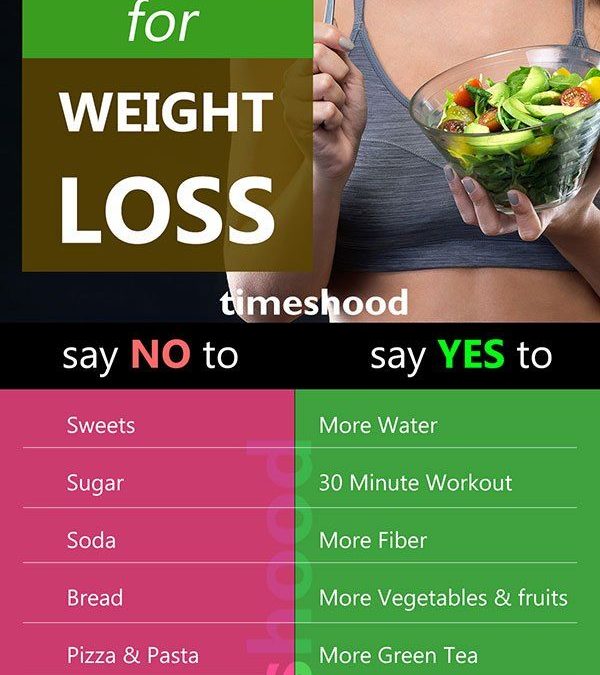
Losing permanent weight fast is possible with the right approach. It involves a mix of diet, exercise, and lifestyle changes.
Many people struggle with weight loss. They often seek quick fixes that only provide temporary results. For lasting weight loss, you need a plan that you can stick with. This plan should include healthy eating, regular physical activity, and habits that support your goals.
The focus should be on making changes that are sustainable. This way, you don’t just lose weight quickly but keep it off for good. In this blog post, we will explore effective strategies to help you lose weight fast and keep it off permanently. Get ready to transform your approach to weight loss and achieve lasting results.
Effective Diet Plans
When it comes to losing weight and keeping it off, diet plays a crucial role. Effective diet plans can help you shed those extra pounds quickly and permanently. But with so many options available, how do you choose the right one for you? Below, we explore two popular and effective diet plans that can lead to lasting weight loss.
Low-carb Diets
Low-carb diets have been popular for many years, and for good reason. These diets focus on reducing your intake of carbohydrates and increasing your protein and fat consumption. Think of it as cutting back on bread, pasta, and sugar while enjoying more eggs, meat, and cheese.
- Benefits: Low-carb diets can help reduce hunger, making it easier to eat fewer calories. They can also lead to quick weight loss, especially in the first few weeks.
- Drawbacks: You might experience fatigue or mood swings initially as your body adjusts. It’s also important to choose healthy fats and proteins to avoid other health issues.
Intermittent Fasting
Intermittent fasting (IF) isn’t so much about what you eat, but when you eat. This diet plan involves cycling between periods of eating and fasting. It’s like giving your body a break and then fueling it again at specific times.
| Method | Description |
|---|---|
| 16/8 Method | Eat during an 8-hour window and fast for the remaining 16 hours. For example, eat between 12 PM and 8 PM. |
| 5:2 Diet | Eat normally for 5 days a week and restrict calories to about 500-600 for 2 days. |
Benefits: IF can improve metabolism and increase fat burning. It might also simplify your day since you don’t have to worry about multiple meals.
Drawbacks: It can be tough to start, especially if you’re used to frequent meals. Also, it’s important to eat healthy during your eating periods to make sure you’re getting the nutrients you need.
Choosing the right diet plan is a personal journey. What works for one person might not work for another. So, consider your lifestyle, your preferences, and perhaps even try a few different plans to see what fits best. Remember, the goal is to find a plan that you can stick with for the long term. After all, consistency is key in the quest for permanent weight loss.

Credit: www.pinterest.com
Exercise Routines
Exercise routines are crucial for losing weight and keeping it off. They help burn calories, build muscle, and boost metabolism. Consistent exercise can lead to lasting weight loss. Let’s look at some effective exercise routines.
Cardio Workouts
Cardio workouts are great for burning calories quickly. Activities like running, cycling, and swimming increase your heart rate. They help you burn fat and improve your endurance. Aim for at least 30 minutes of cardio most days of the week. Mix high-intensity intervals with steady-state cardio for the best results.
High-intensity interval training (HIIT) is very effective. It involves short bursts of intense activity followed by rest. HIIT workouts can be done in 20 minutes but are highly effective. They keep your metabolism high even after you finish.
Strength Training
Strength training builds muscle and boosts metabolism. More muscle means your body burns more calories at rest. Include exercises like squats, deadlifts, and bench presses in your routine. These exercises work multiple muscle groups at once.
Use free weights or resistance bands for strength training. Start with lighter weights and increase as you get stronger. Aim to do strength training exercises at least twice a week. Rest days are important for muscle recovery and growth.
Combining cardio workouts with strength training gives the best results. You burn calories and build muscle, leading to faster weight loss. Consistency is key. Stick to your routine and stay active every day.
Healthy Eating Habits
Are you tired of yo-yo dieting and ready to make a lasting change? The key to losing weight and keeping it off is developing healthy eating habits. These habits are simple, but they require commitment. Let’s break them down into manageable parts so you can start your journey towards a healthier you.
Portion Control
It’s easy to eat more than we need, especially when faced with large portions. But controlling how much you eat is crucial for weight loss. Think of your stomach as a container – it can only hold so much before it overflows. The goal is to avoid that overflow by eating smaller portions.
- Use smaller plates and bowls to trick your brain into thinking you’re eating more.
- Divide your plate: half with vegetables, a quarter with protein, and a quarter with grains.
- Measure your food until you get the hang of what a serving size looks like.
Remember, it’s not about depriving yourself. It’s about eating the right amount to nourish your body without excess.
Mindful Eating
In our fast-paced world, we often eat on the go, in front of the TV, or while scrolling through our phones. This can lead to overeating because we’re not paying attention to what or how much we’re eating. Instead, try mindful eating.
Here’s how:
- Eat slowly and savor each bite. Notice the flavors and textures of your food.
- Listen to your body. Eat when you’re hungry and stop when you’re full. It’s like a conversation between you and your stomach.
- Avoid distractions. Focus on your meal without the TV, phone, or computer.
Mindful eating helps you enjoy your food more and recognize when you’ve had enough. It’s about being present and making conscious choices.
By adopting portion control and mindful eating, you can develop healthy habits that support your weight loss goals. Remember, it’s a marathon, not a sprint. Small changes can lead to big results over time. So, are you ready to start?
Hydration Importance
When it comes to shedding those extra pounds quickly and keeping them off, one often overlooked but crucial factor is hydration. Yes, you heard it right! Water is not just for quenching your thirst; it plays a key role in your weight loss journey. Let’s dive into the importance of staying hydrated and how it can help you achieve your weight loss goals.
Daily Water Intake
Did you know that drinking enough water can actually boost your metabolism? This might sound like a tall tale, but it’s true. When you drink water, especially cold water, your body uses energy (calories) to heat it up to body temperature. This process can help you burn more calories throughout the day.
So, how much water should you be drinking? The general rule of thumb is to aim for at least 8 glasses, or about 2 liters, of water a day. However, individual needs can vary based on factors like body weight, activity level, and climate.
| Activity Level | Recommended Daily Water Intake |
|---|---|
| Low | 2 liters |
| Moderate | 2.5 liters |
| High | 3 liters |
Remember, these are just guidelines. Listen to your body and adjust your intake as needed. If you feel thirsty, drink up! Your body is giving you a clear signal that it needs more water.
Hydrating Foods
Drinking water isn’t the only way to stay hydrated. You can also eat your water! Many fruits and vegetables have high water content, helping you stay hydrated while providing essential nutrients and fiber.
Here are some top hydrating foods you should include in your diet:
- Cucumber: With a water content of about 96%, cucumbers are incredibly hydrating and refreshing.
- Watermelon: As the name suggests, watermelon is packed with water, making it perfect for hydration.
- Strawberries: These juicy berries are not only delicious but also contain about 91% water.
- Spinach: This leafy green powerhouse is about 93% water and is great for salads and smoothies.
Incorporating these foods into your meals and snacks is a delicious way to stay hydrated and support your weight loss efforts. Plus, they add variety to your diet, keeping your taste buds happy!
So, the next time you’re planning your meals or reaching for a drink, remember the importance of hydration. Not only will it help you feel better, but it can also give your weight loss journey the boost it needs. Cheers to a healthier, hydrated you!
Sleep And Weight Loss
Sleep plays a crucial role in weight loss. Quality rest can significantly impact your weight. Both the duration and quality of your sleep affect your body’s ability to lose weight. Understanding how sleep influences weight can help you achieve your goals faster.
Sleep Duration
The amount of sleep you get matters for weight loss. Studies show adults need at least 7 to 9 hours of sleep each night. Less sleep can lead to weight gain. Insufficient sleep affects your metabolism. It makes it harder for your body to burn calories. Aim for consistent sleep to support your weight loss journey.
Quality Rest
Quality of sleep is just as important as duration. Restful sleep helps regulate hunger hormones. Poor sleep increases ghrelin, the hunger hormone. It also decreases leptin, the hormone that tells you you’re full. This imbalance can lead to overeating. Create a calming bedtime routine for better sleep. Avoid screens and caffeine before bed. A restful night helps your body recover and aids in weight loss.

Credit: www.powerofpositivity.com
Stress Management
We all know that losing weight can be tough. One thing that can make it even harder is stress. When you’re stressed, your body holds onto fat, making it difficult to shed those extra pounds. But don’t worry! Managing stress can help you lose weight more effectively. Let’s dive into some simple ways to keep stress under control.
Relaxation Techniques
Relaxation techniques are a great way to reduce stress. Here are a few methods that can help you stay calm and focused:
- Deep Breathing: Take slow, deep breaths. Inhale for four seconds, hold for four seconds, then exhale for four seconds. Repeat several times.
- Meditation: Find a quiet place, sit comfortably, and focus on your breath. If your mind wanders, gently bring it back to your breathing.
- Yoga: Yoga combines physical movement with deep breathing. It helps reduce stress and improve flexibility.
These techniques may seem simple, but they can make a big difference. Give them a try and see how much more relaxed you feel.
Stress And Eating
Did you know stress can affect your eating habits? When you’re stressed, you might eat more than usual or crave unhealthy foods. This is called “stress eating,” and it can lead to weight gain. Here are a few tips to avoid stress eating:
- Plan Your Meals: Having a meal plan can help you make healthier choices, even when you’re stressed.
- Stay Hydrated: Sometimes, we think we’re hungry when we’re actually thirsty. Drink plenty of water throughout the day.
- Keep Healthy Snacks: Stock up on fruits, nuts, and other healthy snacks. This way, you’ll have good options when you feel like munching.
Remember, it’s normal to feel stressed sometimes. The key is to have strategies in place to manage it. By using relaxation techniques and being mindful of your eating habits, you can reduce stress and make your weight loss journey smoother.
Tracking Progress
Tracking progress is crucial for losing weight fast and keeping it off. By monitoring your journey, you can see what works and what doesn’t. This helps in making necessary adjustments to your strategies. Let’s dive into the key aspects of tracking progress.
Weight Monitoring
Weigh yourself regularly. This helps you stay aware of changes. Use a reliable scale and weigh at the same time daily. Mornings are ideal since your stomach is empty. Record your weight in a journal or app. This visual record keeps you motivated. It also helps identify patterns and trends.
Adjusting Strategies
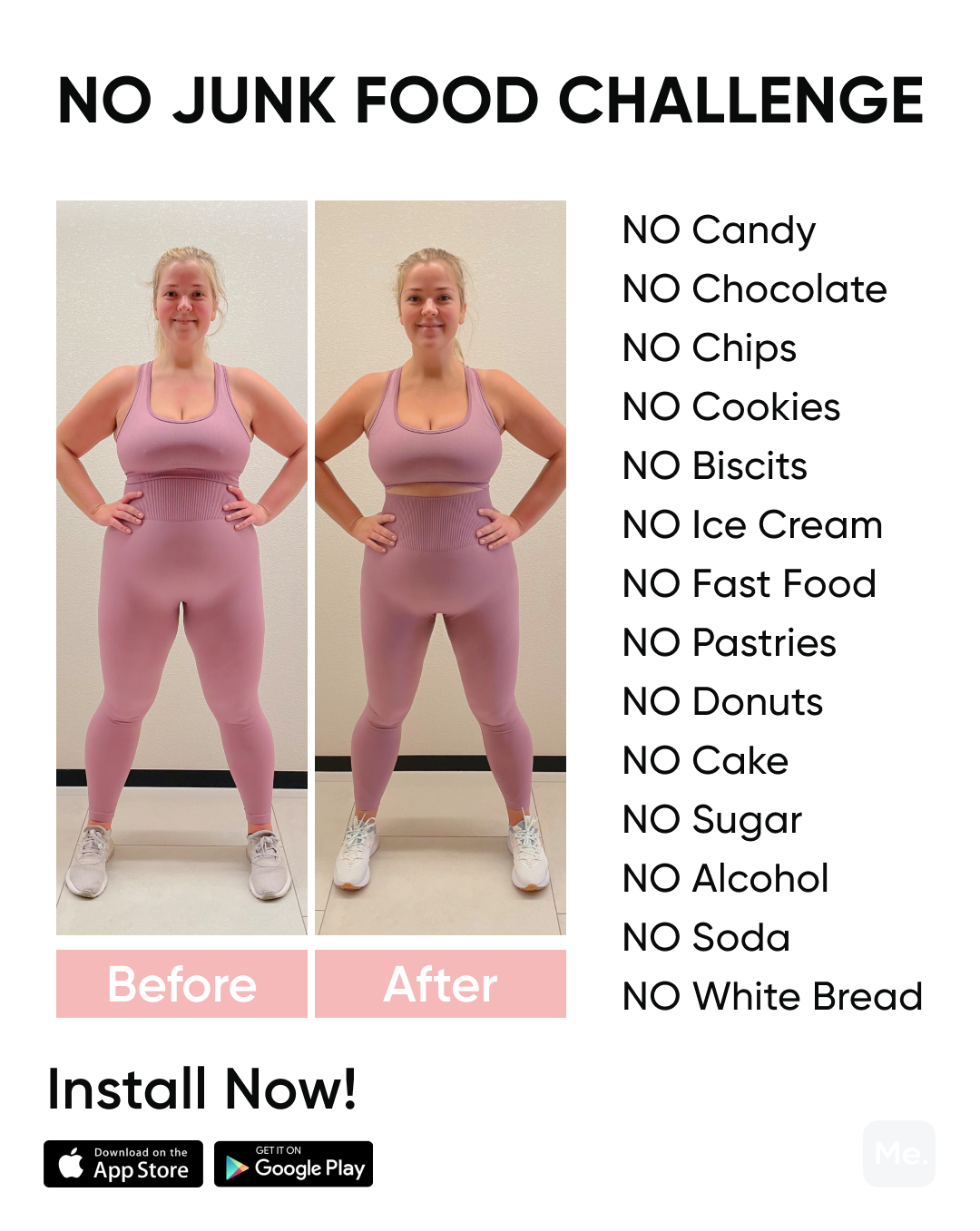
Review your progress every week. Not seeing the results you expected? Change your approach. Maybe you need to tweak your diet or increase exercise intensity. Be flexible and open to trying new things. If something isn’t working, don’t be afraid to adjust. This ensures you stay on the right track.
Credit: x.com
Long-term Lifestyle Changes
Long-term lifestyle changes are crucial for permanent weight loss. Quick fixes might offer temporary results, but they often lead to weight regain. Adopting healthy habits ensures lasting success. Here, we discuss key lifestyle changes for maintaining weight loss and building healthy habits.
Maintaining Weight Loss
Maintaining weight loss requires consistent effort. Monitor your weight regularly. Small gains can be addressed promptly. This helps prevent larger weight increases over time. Develop a balanced diet plan you enjoy. Include a mix of fruits, vegetables, proteins, and whole grains. Avoid restrictive diets that are hard to maintain.
Physical activity is essential. Incorporate exercise into your daily routine. Aim for at least 30 minutes of moderate activity most days. This could be walking, cycling, or any enjoyable activity. Staying active helps burn calories and boosts your metabolism.
Building Healthy Habits
Building healthy habits starts with small steps. Replace unhealthy snacks with nutritious options. Choose fruits, nuts, or yogurt instead of chips or candy. Drink plenty of water throughout the day. Staying hydrated helps control hunger and supports overall health.
Get enough sleep each night. Poor sleep can lead to weight gain. Aim for 7-9 hours of restful sleep. Manage stress effectively. Stress can trigger emotional eating. Practice relaxation techniques like deep breathing or meditation. These strategies support mental well-being and help control weight.
Frequently Asked Questions
What Is The Fastest Way To Lose Weight Permanently?
Adopt a balanced diet and exercise regularly. Prioritize whole foods, lean proteins, and vegetables. Stay hydrated and get adequate sleep.
How Can I Lose 20 Pounds In A Month?
To lose 20 pounds in a month, eat a healthy diet, exercise daily, stay hydrated, get enough sleep, and reduce stress. Consult a doctor before starting any weight loss plan.
Can I Lose 100 Pounds In 6 Months?
Losing 100 pounds in 6 months is possible but challenging. Consult a doctor and follow a balanced diet and exercise plan.
How Can I Make My Weight Loss Permanent?
Maintain a balanced diet, exercise regularly, and stay hydrated. Track progress, set realistic goals, and get adequate sleep. Manage stress effectively.
Conclusion
Achieving permanent weight loss fast requires dedication and smart choices. Focus on balanced diets and regular exercise. Consistency is key. Small changes in daily habits lead to big results over time. Stay patient and motivated. Support from friends and family helps.
Remember, quick fixes rarely work. Healthy routines bring lasting success. Stay positive and believe in yourself. Permanent weight loss is possible with the right approach. Keep these tips in mind and start your journey today. Good luck!