Finding the best diet for weight loss can be challenging. Many options promise quick results, but not all work.
In this blog post, we’ll explore diets that can help you shed pounds effectively. Weight loss is not just about eating less; it’s about eating right. The right diet can boost your metabolism, curb your hunger, and help you burn fat.
Choosing a diet that fits your lifestyle and preferences is key. This ensures you can stick to it long-term. We will look at various diets, their benefits, and how they can help you achieve your weight loss goals. Ready to find the best diet for you? Let’s dive in!

Credit: www.pinterest.com
Introduction To Weight Loss Diets
Embarking on a weight loss journey can feel like navigating a maze. With so many diets out there, where do you start? The key is finding a diet that suits your lifestyle and keeps you healthy. Let’s dive into the basics of weight loss diets, so you can make an informed choice.
Importance Of A Balanced Diet
Why is a balanced diet crucial for weight loss? Imagine your body as a car. A car needs the right fuel to run smoothly, right? Similarly, your body needs a mix of nutrients to function well. A balanced diet includes:
- Proteins: Helps build muscle and repair tissues.
- Carbohydrates: Provides energy to keep you going.
- Fats: Essential for brain health and energy storage.
- Vitamins and Minerals: Keeps your body’s systems in check.
Skipping meals or cutting out entire food groups can lead to nutrient deficiencies. So, aim for balance and variety in your meals.
Common Weight Loss Myths
When it comes to weight loss, myths abound. Let’s debunk a few:
- Myth: Carbs are the enemy.
Truth: Not all carbs are bad. Whole grains, fruits, and vegetables are great sources of healthy carbs. - Myth: Skipping meals helps you lose weight.
Truth: Skipping meals can slow your metabolism and lead to overeating later. - Myth: Fat makes you fat.
Truth: Healthy fats, like those in avocados and nuts, are essential for your body.
Remember, there’s no magic bullet for weight loss. Focus on long-term, sustainable changes rather than quick fixes.

Credit: www.netmeds.com
Caloric Deficit
If you are trying to lose weight, understanding the concept of a caloric deficit is essential. Simply put, a caloric deficit occurs when you consume fewer calories than your body needs to maintain its current weight. This forces your body to use stored fat for energy, leading to weight loss. Let’s dive deeper into how to calculate your caloric needs and some practical tips for reducing your caloric intake.
Calculating Your Caloric Needs
To create a caloric deficit, you first need to know how many calories your body requires daily. This is known as your Total Daily Energy Expenditure (TDEE). You can calculate your TDEE using the following steps:
- Determine your Basal Metabolic Rate (BMR). This is the number of calories your body needs at rest. Use the BMR calculator for an easy estimate.
- Factor in your physical activity level. Multiply your BMR by an activity factor:
- Sedentary: BMR x 1.2 (little or no exercise)
- Lightly active: BMR x 1.375 (light exercise/sports 1-3 days/week)
- Moderately active: BMR x 1.55 (moderate exercise/sports 3-5 days/week)
- Very active: BMR x 1.725 (hard exercise/sports 6-7 days a week)
- Super active: BMR x 1.9 (very hard exercise/sports & a physical job)
- The result is your TDEE. To lose weight, aim to consume 500-1000 calories less than your TDEE each day.
For example, if your TDEE is 2,500 calories, you should aim to consume between 1,500 to 2,000 calories daily to lose weight safely.
Tips For Reducing Caloric Intake
Cutting calories doesn’t mean you have to feel deprived or hungry all the time. Here are some practical tips to help you reduce your caloric intake without feeling like you’re missing out:
- Fill up on veggies: Vegetables are low in calories but high in fiber. They fill you up without adding many calories.
- Choose whole grains: Whole grains are more filling than refined grains. They help you stay satisfied longer.
- Drink water before meals: Drinking a glass of water before eating can help you feel fuller and eat less.
- Watch your portions: Use smaller plates and bowls to help control portion sizes. It’s a simple trick that can make a big difference.
- Limit sugary drinks: Sodas and sugary drinks add a lot of empty calories. Opt for water, herbal teas, or black coffee instead.
- Eat mindfully: Pay attention to what you’re eating. Avoid distractions like TV or phones while eating. Enjoy each bite.
Remember, small changes can add up to big results over time. By making these adjustments, you can create a caloric deficit and move closer to your weight loss goals.
Macronutrient Balance
Maintaining the right macronutrient balance can help with weight loss. This balance includes proteins, carbohydrates, and fats. Each plays a key role in your body. Understanding their importance makes dieting more effective and sustainable.
Role Of Proteins
Proteins are essential for muscle repair and growth. They help you feel full longer. This reduces the urge to snack between meals. Lean meats, beans, and tofu are good sources. Aim for a balanced intake throughout the day. This supports muscle health and aids in weight loss.
Importance Of Carbohydrates
Carbohydrates are the body’s primary energy source. They fuel your daily activities and workouts. Choose whole grains, fruits, and vegetables. These provide necessary fiber and nutrients. Avoid refined carbs. They can lead to weight gain and energy crashes.
Healthy Fats
Not all fats are bad. Healthy fats are important for brain function and hormone production. Avocados, nuts, and olive oil are great options. They can also help you feel full and satisfied. This can prevent overeating. Include a small amount in your daily diet for balanced nutrition.
Popular Diet Plans
There are many diet plans claiming to help with weight loss. Some focus on reducing carbs, while others emphasize eating only within certain hours. This section will explore three popular diet plans. Each has its unique approach and benefits for weight loss.
Keto Diet
The Keto Diet focuses on high fat, moderate protein, and low carbs. It aims to put your body in a state called ketosis. In ketosis, your body burns fat for fuel instead of carbs. This diet includes foods like meat, cheese, and avocados. It limits foods such as bread, pasta, and sugary snacks. Many people find success with this plan because it reduces hunger and increases energy.
Mediterranean Diet
The Mediterranean Diet emphasizes whole foods and healthy fats. It includes lots of fruits, vegetables, nuts, and whole grains. Olive oil is a key component of this diet. It encourages eating fish and lean meats in moderation. This diet is not only good for weight loss but also for heart health. It’s easy to follow and sustainable for long-term health.
Intermittent Fasting
Intermittent Fasting focuses on when you eat, not what you eat. You cycle between periods of eating and fasting. Common methods include the 16/8 method, where you fast for 16 hours and eat during an 8-hour window. Another method is the 5:2 diet, where you eat normally for 5 days and restrict calories for 2 days. This diet helps reduce calorie intake and improve metabolism. Many people find it easier to follow than traditional diets.
Meal Planning
Embarking on a weight loss journey can feel like climbing a mountain. But, with the right meal plan, you can reach the summit without losing your breath. Meal planning not only helps in keeping your diet on track but also saves time and money. Let’s break down the essentials of meal planning with a couple of easy steps.
Creating A Weekly Menu
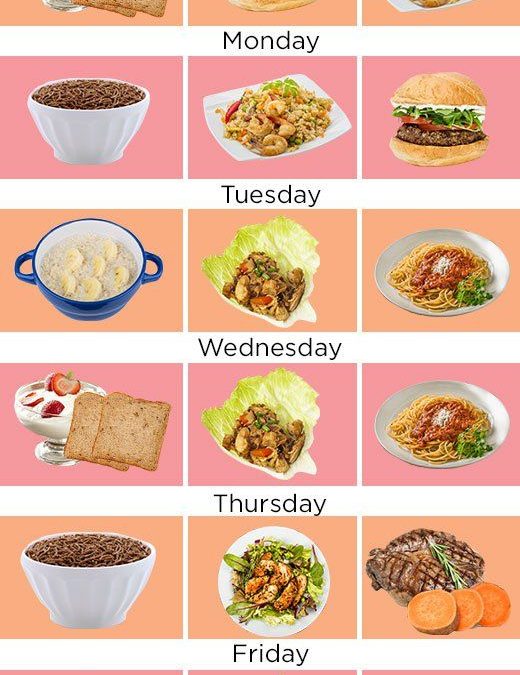
First things first, let’s talk about creating a weekly menu. Think of it as your roadmap. You wouldn’t go on a road trip without a map, right? The same goes for your diet. A weekly menu helps you stay on track with your weight loss goals.
Here’s how you can start:
- Set Goals: Determine how many meals you need per day and how many calories you should consume.
- Choose Variety: Include different foods like vegetables, fruits, lean proteins, and whole grains.
- Balance: Make sure each meal has a good mix of carbs, proteins, and fats.
- Prepare in Advance: Cook and store meals ahead of time to avoid last-minute temptations.
Shopping List Essentials
Once you have your menu ready, it’s time to create a shopping list. A well-planned list ensures you buy only what you need, avoiding unnecessary purchases. Plus, it saves time wandering the aisles of the supermarket.
Here are some essentials to consider for your shopping list:
| Category | Items |
|---|---|
| Vegetables | Broccoli, Spinach, Carrots, Bell Peppers |
| Fruits | Apples, Berries, Bananas, Oranges |
| Proteins | Chicken Breast, Tofu, Eggs, Fish |
| Grains | Quinoa, Brown Rice, Whole Wheat Bread |
| Dairy | Greek Yogurt, Low-fat Milk, Cheese |
Having these essentials handy will make your meal prep a breeze. Remember, a well-stocked kitchen is the first step towards a successful diet.
So, roll up your sleeves, put on your chef hat, and start planning! Who knew weight loss could be this deliciously organized?

Credit: www.bbcgoodfood.com
Healthy Snack Options
Are you trying to lose weight but find yourself reaching for unhealthy snacks? You are not alone! Snacking can be a tricky part of a weight loss journey. But don’t worry, there are many healthy snack options that can satisfy your cravings without derailing your progress. Let’s dive into some nutritious snacks and tips for avoiding junk food.
Nutritious Snacks
When it comes to snacking, it’s all about making smart choices. Here are some nutritious snack options that are both delicious and good for you:
- Fresh Fruits: Apples, bananas, berries, and oranges are great choices. They are sweet and packed with vitamins.
- Vegetables with Hummus: Carrots, cucumbers, and bell peppers dipped in hummus make for a crunchy and satisfying snack.
- Nuts and Seeds: Almonds, walnuts, and sunflower seeds are rich in healthy fats and protein. Just remember to keep the portions small.
- Greek Yogurt: A great source of protein, you can add some honey or fruit for extra flavor.
- Hard-Boiled Eggs: They are portable, easy to make, and very filling.
Avoiding Junk Food
It’s easy to grab a bag of chips or a candy bar when you’re hungry. However, these snacks can be full of empty calories and unhealthy fats. Here are some tips for avoiding junk food:
- Plan Ahead: Keep healthy snacks on hand so you’re not tempted by junk food.
- Read Labels: Understand what you are eating. Avoid snacks with too much sugar or unhealthy fats.
- Stay Hydrated: Sometimes thirst can be mistaken for hunger. Drink water first before reaching for a snack.
- Keep a Food Diary: Track what you eat to become more aware of your snacking habits.
- Set Small Goals: Reward yourself for making healthy choices, but not with food. Maybe a new book or a fun outing.
Remember, making small changes can lead to big results. Choosing healthy snacks over junk food is a great way to stay on track with your weight loss goals. So, what are you waiting for? Start snacking smarter today!
Hydration
Hydration plays a vital role in any weight loss journey. Proper hydration boosts metabolism, aids digestion, and keeps you feeling full. Drinking water and consuming hydrating foods can help you achieve your weight loss goals more effectively. Let’s explore the benefits of drinking water and hydrating foods.
Benefits Of Drinking Water
Drinking water can help you feel full. This reduces the urge to snack on unhealthy foods. Water also aids in digestion, helping your body absorb nutrients better. Proper hydration boosts your metabolism, making it easier to burn calories. Drinking water before meals can help you eat less, supporting your weight loss efforts.
Hydrating Foods
Many fruits and vegetables are high in water content. Cucumbers, watermelon, and strawberries are excellent choices. These hydrating foods can keep you full and provide essential vitamins. Eating foods with high water content can reduce calorie intake. They help you stay hydrated without adding extra calories.
Exercise And Diet
When it comes to losing weight, the combination of exercise and diet is often considered the holy grail. Imagine this: you’re on a journey to shed those extra pounds, and you’ve got two powerful tools in your arsenal – what you eat and how you move. The synergy between a well-balanced diet and regular exercise not only helps in losing weight but also in maintaining a healthy lifestyle. Let’s dive into how these two elements can work together to help you achieve your weight loss goals.
Combining Diet With Exercise
Have you ever heard the saying, “You can’t outrun a bad diet”? This holds true when it comes to weight loss. Exercise alone might not be enough if your diet is not in check. Similarly, dieting without any physical activity can lead to muscle loss and a slower metabolism. The magic happens when you combine the two – a balanced diet and a good exercise routine.
Here’s a simple table to illustrate how a combination of diet and exercise can work wonders:
| Diet | Exercise | Benefits |
|---|---|---|
| Low in refined sugars | Cardio workouts | Improved heart health |
| Rich in protein | Strength training | Increased muscle mass |
| High in fiber | Flexibility exercises | Better digestion |
By balancing your diet with the right exercises, you not only lose weight but also build muscle, improve your metabolism, and feel more energetic. It’s like hitting multiple birds with one stone!
Types Of Effective Workouts
Not all exercises are created equal when it comes to weight loss. Here are some types of workouts that can help you burn calories efficiently:
- Cardio Workouts: Running, cycling, and swimming are great for burning calories. These exercises get your heart rate up and improve your cardiovascular health.
- Strength Training: Lifting weights or using resistance bands helps build muscle. More muscle means a higher metabolism, which helps in burning more calories even at rest.
- High-Intensity Interval Training (HIIT): This involves short bursts of intense exercise followed by rest or low-intensity exercise. It’s highly effective for burning fat in a shorter amount of time.
- Flexibility Exercises: Yoga and Pilates improve your flexibility and reduce stress. While they might not burn as many calories as cardio, they are essential for a balanced fitness regime.
Remember, the best workout is the one you enjoy and can stick with consistently. Whether it’s dancing, hiking, or even a brisk walk in the park, find something that gets you moving and makes you happy. And don’t forget to pair it with a nutritious diet. After all, it’s the dynamic duo of exercise and diet that will lead you to success on your weight loss journey.
Tracking Progress
Tracking progress is vital for any weight loss journey. It helps to know what works and what doesn’t. It keeps you accountable and motivated. Knowing your progress can push you to achieve your goals faster. Let’s look at some effective ways to track your progress.
Using Apps And Tools
Apps can make tracking weight loss easy and fun. Many apps track calories, steps, and workouts. They give you a clear picture of your progress. Popular apps include MyFitnessPal and Lose It!. These apps allow you to set goals and monitor your daily intake. They also offer reminders to keep you on track.
Another helpful tool is a food diary. Writing down what you eat helps you see patterns. You can identify high-calorie foods and adjust your diet. Some people prefer using spreadsheets. They provide a detailed way to track weight, measurements, and exercise. Choose the method that suits you best.
Adjusting Your Diet As Needed
Sometimes, you need to tweak your diet. If you hit a plateau, change your meal plan. Add more vegetables and lean proteins. Reduce sugar and processed foods. Small changes can make a big difference.
Listen to your body. If you feel tired, you may need more nutrients. Ensure you are getting enough vitamins and minerals. Drink plenty of water. Staying hydrated helps with weight loss.
Consult a nutritionist if needed. They can provide personalized advice. A professional can help you adjust your diet for better results.
Maintaining Weight Loss
Maintaining weight loss can be as challenging as losing weight. Many people struggle to keep the pounds off. Creating a sustainable plan is essential. This includes forming healthy habits and managing obstacles. Two key areas to focus on are building sustainable habits and dealing with plateaus. Read on to learn more.
Building Sustainable Habits
Developing lasting habits is crucial for weight management. Start small. Choose habits you can maintain long-term. Eat balanced meals. Include plenty of fruits and vegetables. Drink water instead of sugary drinks. Move your body daily. Exercise does not need to be intense. Even a walk helps. Track your progress. Celebrate small victories. Consistency is key.
Dealing With Plateaus
Weight loss plateaus are common. Your body adjusts to new habits. Don’t feel discouraged. Review your routine. Are you still eating healthy? Are you staying active? Sometimes, a small change helps. Try new workouts. Eat different healthy foods. Stay patient. Plateaus are a normal part of the journey.
Frequently Asked Questions
Which Diet Is The Most Effective In Weight Loss?
The most effective weight loss diet varies per individual. Commonly successful diets include low-carb, Mediterranean, and plant-based diets. Always consult a healthcare professional.
How Can I Lose 20 Pounds In A Month?
To lose 20 pounds in a month, follow a strict diet and exercise plan. Eat healthy, low-calorie foods. Drink plenty of water. Exercise daily, combining cardio and strength training. Get enough sleep and manage stress. Consult a healthcare professional before starting any weight loss program.
Which Diet Is Best To Lose Weight Quickly?
A low-carb diet, like the ketogenic diet, often helps with quick weight loss. Focus on whole foods, lean proteins, and healthy fats. Always consult a healthcare professional before starting any diet.
What Is The 30/30/30 Rule For Weight Loss?
The 30/30/30 rule for weight loss involves 30 minutes of exercise, 30 grams of protein, and 30 minutes of relaxation daily. This balanced approach promotes overall health and effective weight management.
Conclusion
Choosing the best diet for weight loss can be challenging. Focus on balanced meals. Include plenty of vegetables, fruits, and lean proteins. Avoid processed foods and sugary drinks. Drink water regularly. Exercise also plays a key role. Stay consistent and patient with your efforts.
Remember, healthy weight loss takes time. Consult a healthcare professional before making major changes. Small steps lead to big results. Keep your goals realistic and maintain a positive mindset. Your journey to weight loss success is within reach.