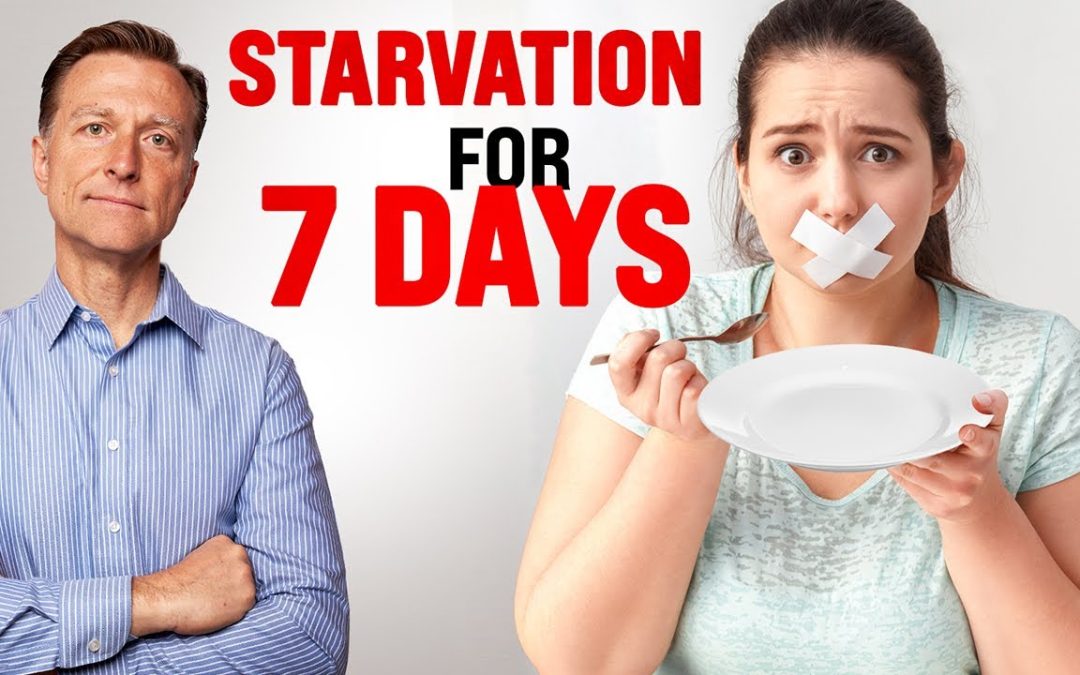
Starving yourself for 3 days might lead to weight loss. However, it is not a healthy or sustainable method.
Many people consider extreme diets when they want quick results. Starving for three days can cause rapid weight loss, but it comes with serious risks. Your body needs nutrients to function well. Without food, you may lose muscle and water weight, not fat.
This method can also harm your metabolism and overall health. It’s essential to understand the dangers before attempting such drastic measures. This blog post explores the potential weight loss and the risks involved. Learn why healthier methods are better for long-term success.
Dangers Of Starvation Diets
Starvation diets might seem like a quick way to lose weight. But, they come with serious risks. Starving yourself for three days can harm your health. It’s important to understand these dangers.
Physical Health Risks
Starvation diets can cause muscle loss. Your body needs fuel to function. Without food, it starts breaking down muscle for energy. This weakens your body.
Dehydration is another risk. Not eating enough can lead to less water intake. This affects your kidneys and can cause serious issues.
You might also face vitamin and mineral deficiencies. Your body needs nutrients to stay healthy. Starving yourself deprives your body of these essential elements.
Mental Health Consequences
Starvation affects your brain. It can lead to anxiety and depression. Lack of food can make you feel irritable and stressed.
Concentration problems are common. Your brain needs energy to focus. Without enough food, your thinking becomes foggy.
Starvation can also lead to an unhealthy relationship with food. You might start to fear eating or develop eating disorders.
Initial Weight Loss Expectations
Thinking about starving yourself for 3 days to shed some pounds? Well, you might see the scale drop, but let’s talk about what’s really happening to your body. Weight loss isn’t just a number; it’s about what’s actually being lost. Before you start, it’s essential to know what to expect.
Water Weight Loss
Most of the initial weight you lose in the first few days is water weight. When you stop eating, your body starts using stored carbohydrates for energy. Carbohydrates hold water, so using them releases that water. This is why you might see a quick drop on the scale.
- Why it happens: Your body uses up its glycogen stores, which are bound with water.
- How much: You might lose 2 to 5 pounds of water weight in just a few days.
But don’t get too excited. This weight comes back quickly once you start eating again. So, while it might feel like a great start, it’s not fat loss.
Glycogen Depletion
Starving yourself for 3 days also depletes your glycogen stores. Glycogen is the stored form of carbohydrates in your liver and muscles. It’s your quick energy source.
- Energy source: When you stop eating, your body taps into glycogen for fuel.
- Short-term effect: You might feel tired and weak as your glycogen levels drop.
- Scale impact: As glycogen depletes, you lose water weight linked to it.
Once your glycogen is gone, your body might start breaking down muscle for energy. Not exactly the weight loss you want, right? Losing muscle slows your metabolism, making it harder to keep weight off in the long run.
So, while the initial weight loss might seem encouraging, it’s not sustainable or healthy. If you’re looking to lose weight, it’s better to focus on balanced eating and regular exercise. Quick fixes might give you fast results, but they usually don’t last. And who wants to go through all that suffering for nothing?
Metabolic Impact
Starving yourself for three days may seem like a quick way to lose weight. Yet, it has serious impacts on your metabolism. Your body’s response can lead to long-term issues. Let’s explore the metabolic impact of short-term starvation.
Slowed Metabolism
When you starve, your body thinks it’s in danger. It slows your metabolism to save energy. This means you burn fewer calories. Your body tries to hold onto every bit of energy. As a result, weight loss slows down over time. You may lose weight fast at first, but it gets harder.
Muscle Loss
Starving yourself not only burns fat. It also burns muscle. Your body breaks down muscle for energy when food is scarce. Losing muscle is harmful. Muscle burns more calories than fat. Less muscle means a slower metabolism. This makes it harder to keep the weight off.

Credit: www.healthline.com
Nutritional Deficiencies
Starving yourself for weight loss can cause serious nutritional deficiencies. This approach deprives the body of essential nutrients. These nutrients are vital for overall health and well-being. Understanding the risks is crucial.
Essential Nutrients
Essential nutrients include proteins, carbohydrates, fats, vitamins, and minerals. Your body needs these to function correctly. A 3-day starvation diet lacks these essential nutrients. This can lead to weakness and fatigue.
Proteins help repair tissues. Carbohydrates provide energy. Fats support cell growth. Without these, the body struggles to maintain its functions. Starving also affects metabolism and brain function.
Vitamin Deficiencies
Vitamin deficiencies are a major concern. Vitamins are crucial for many bodily functions. A short-term starvation diet can lead to vitamin deficiencies. This affects immunity and vision.
For example, lack of vitamin C can weaken the immune system. Vitamin A deficiency can impact vision. Vitamin B deficiencies can cause fatigue and irritability.
In conclusion, starving yourself for weight loss can have serious consequences. Nutritional deficiencies are a risk. Always consider healthier ways to lose weight.
Short-term Vs Long-term Effects
Starving yourself for three days might seem like a quick fix. But the reality is more complex. The body reacts differently in the short-term compared to the long-term. It’s crucial to understand these differences to make informed choices about weight loss strategies.
Temporary Results
In the first few days of starvation, you may see rapid weight loss. This is mostly due to water weight and glycogen stores being depleted. The body starts using these reserves for energy. The scale may show a lower number, but it’s not sustainable. The actual fat loss in such a short period is minimal.
Potential Weight Gain
After the starvation period, the body craves nutrients. Many people overeat to compensate. This leads to potential weight gain. The body also slows its metabolism to conserve energy. This makes it easier to gain weight once normal eating resumes. The initial weight loss can be quickly reversed, leading to more frustration and unhealthy eating patterns.

Credit: www.healthline.com
Safer Alternatives
Starving yourself to lose weight can be dangerous. There are safer, more effective alternatives. These methods promote long-term health and sustainable weight loss.
Balanced Diet
A balanced diet provides essential nutrients. It fuels your body. Incorporate a mix of vegetables, fruits, proteins, and whole grains. This ensures you get vitamins, minerals, and energy.
Avoid processed foods. They are high in unhealthy fats and sugars. Opt for natural foods instead. Drink plenty of water. It helps with digestion and keeps you hydrated. Eating smaller, more frequent meals can also help control hunger.
Regular Exercise
Exercise boosts your metabolism. It helps burn calories effectively. Aim for at least 30 minutes of activity daily. This can include walking, jogging, or cycling.
Strength training builds muscle. Muscle burns more calories, even at rest. Combine cardio with strength exercises for the best results. Staying active also improves mental health. It reduces stress and boosts mood.
Psychological Factors
If you’ve ever considered losing weight by starving yourself for three days, it’s important to understand the psychological factors involved. Starving yourself can have serious mental and emotional consequences. Let’s dive into these issues and explore how they can affect you.
Disordered Eating
Starving yourself can lead to disordered eating patterns. These are unhealthy habits and attitudes towards food. You might start to see food as the enemy. This can make you feel guilty or anxious when you eat. These negative feelings can stay with you long after you’ve stopped starving yourself.
Disordered eating is not just about food. It’s also about how you think and feel. You might begin to obsess over your weight. This can make it hard to focus on other things in your life. It’s like having a dark cloud over your head all the time.
Body Image Issues
When you starve yourself, you might think it’s all about losing weight. But it’s also about how you see your body. Starving can make you more critical of your appearance. You might never feel thin enough, no matter how much weight you lose. This is a dangerous mindset.
Body image issues can lead to low self-esteem. You might start to avoid social situations. You could feel embarrassed about your body. This can affect your relationships and your overall happiness.
Remember, your worth is not measured by the number on the scale. It’s important to love and accept yourself as you are. A healthy mindset is just as important as a healthy body.
Conclusion: Starving yourself might seem like a quick fix for weight loss, but the psychological costs are high. It’s better to find a balanced approach to eating and exercise. Your mind and body will thank you.
Healthy Weight Loss Strategies
We all want to lose those extra pounds, right? But starving yourself for 3 days is not the way to go. It’s not healthy and can harm your body. So, what can you do instead? Let’s talk about some healthy weight loss strategies that will help you shed those pounds safely and keep them off for good. Ready? Let’s dive in!
Gradual Weight Loss
Slow and steady wins the race, or so they say. And when it comes to weight loss, this couldn’t be truer. By losing weight gradually, your body has time to adjust, and you’re more likely to keep the weight off. Here’s a fun fact: losing just 1-2 pounds per week is considered healthy and sustainable. That might not sound like much, but over time, it adds up!
So how can you achieve this? Simple changes in your daily routine can make a big difference:
- Swap sugary drinks for water.
- Take the stairs instead of the elevator.
- Include more fruits and vegetables in your meals.
Making small changes like these can help you lose weight without feeling deprived or hungry. Plus, they’re easier to stick with in the long run.
Sustainable Habits
Now, let’s talk about habits. We all have them—some good, some not so good. But when it comes to weight loss, developing sustainable habits is key. What’s the point of losing weight if you’re just going to gain it back, right?
Here are some habits that can help you maintain a healthy weight:
- Eat balanced meals: Make sure your plate has a good mix of protein, carbs, and fats.
- Stay active: Find an activity you enjoy, whether it’s walking, dancing, or cycling, and make it a part of your routine.
- Get enough sleep: Aim for 7-8 hours of sleep each night. Lack of sleep can lead to weight gain.
These habits might seem simple, but they can have a big impact on your weight loss journey. And the best part? They’re easy to stick with, making it more likely that you’ll keep the weight off for good.
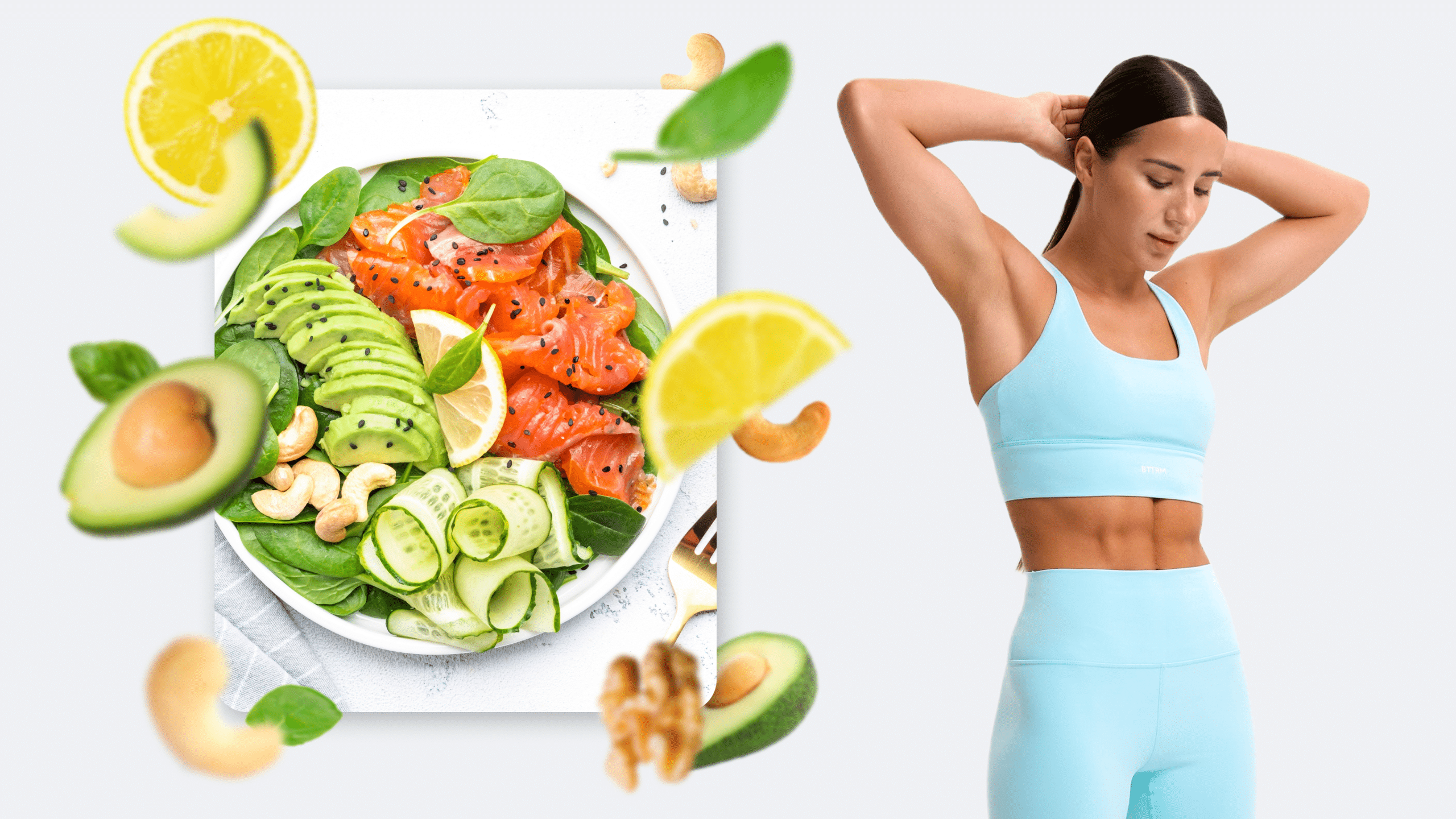
So, there you have it! Gradual weight loss and sustainable habits are the way to go. Remember, there’s no magic pill or quick fix. But with patience and consistency, you can achieve your weight loss goals and enjoy a healthier, happier life. Ready to get started? Let’s do this!
Credit: betterme.world
Frequently Asked Questions
Is Starving For 3 Days Safe?
Starving for 3 days is not safe. It can lead to dehydration, nutrient deficiencies, and muscle loss. Always consult a doctor before making drastic dietary changes.
How Much Weight Can You Lose In 3 Days?
You might lose 1-2 pounds in 3 days. Most of this weight loss is water weight, not fat loss. Starvation is not a sustainable method.
What Are The Risks Of Starving Yourself?
Starving yourself can cause dizziness, weakness, and fainting. Long-term risks include organ damage and nutritional deficiencies. It’s harmful to your overall health.
Can Starvation Mode Affect Metabolism?
Yes, starvation mode can slow your metabolism. Your body conserves energy, making weight loss harder. It’s better to follow a balanced diet.
Conclusion
Starving yourself for three days might lead to some weight loss. But it’s not a healthy or sustainable method. You risk harming your body and overall health. Better options exist for losing weight safely. Focus on balanced diets and regular exercise.
These methods ensure lasting results and better well-being. Always seek advice from healthcare professionals before starting any diet. Your health should always come first. Remember, slow and steady wins the race.